
Play Research Laboratory
We are a collective of play scholars who are interested in the role of play in human development, activity, and wellbeing. We support boldly original explorations and developments of play advocacy and play policy, and we are pioneers of playful methodologies.
Our research critically explores play’s interrelationships with research, music, arts, sport, gaming, therapy, wellbeing and everyday life in ways that acknowledge and exceed instrumental understanding. We run an annual symposium to share the laboratory’s work.
We are based at the Arts, Health and Wellbeing Centre in University of Gloucestershire’s City Campus in Gloucester, UK.
Jump to: What we do | Who we are | Current work | Get in touch
What we do
Working with multiple ways of knowing and being, we research how playful events think, feel, and sometimes create meaning beyond human intention. We use games-as-research, musical improvisations, embodied practice, mappings, arts-based or performative methods, and the anarchiving of data to assist in exploring the unexpected and sometimes unruly qualities through which play reshapes understanding.
Please see the ‘Who we are’ section for our specialisations.
We collaborate with others, and play
We research alongside children, educators, artists, communities, playworkers, athletes, and organisations, and we explore how play unfolds in real settings, shaping experiences, relations, and environments beyond narrowly instrumental frameworks.
With expertise spanning ethics and philosophy of sport, the politics of space for play, children’s musical play, creative research methods, and the correlation of Chinese and Western play theories, we work with play on its own terms: as a way of being in the world that can exceed any singular purpose.

Who are we

Professor Emily Ryall
Professor Emily Ryall is Professor of the Philosophy of Sport, Games, and Play. Her current research focus is on ethical questions around participating in dangerous sport, ethical culture and values in elite gymnastics, the impact of technology on sports officiating, and the concept of play in China.
Prof Emily Ryall has written and lectured globally on the philosophy of sport, games and play on topics that range from good governance in sport, the implementation of technology in sports officiating, and the value of games and play as part of a good life.
Her current research areas are ethical perspectives of risk and danger in play, the impact of technology and human enhancement on play, enabling inclusive play, and the significance of play and games in human life.
Dr Wendy Russell
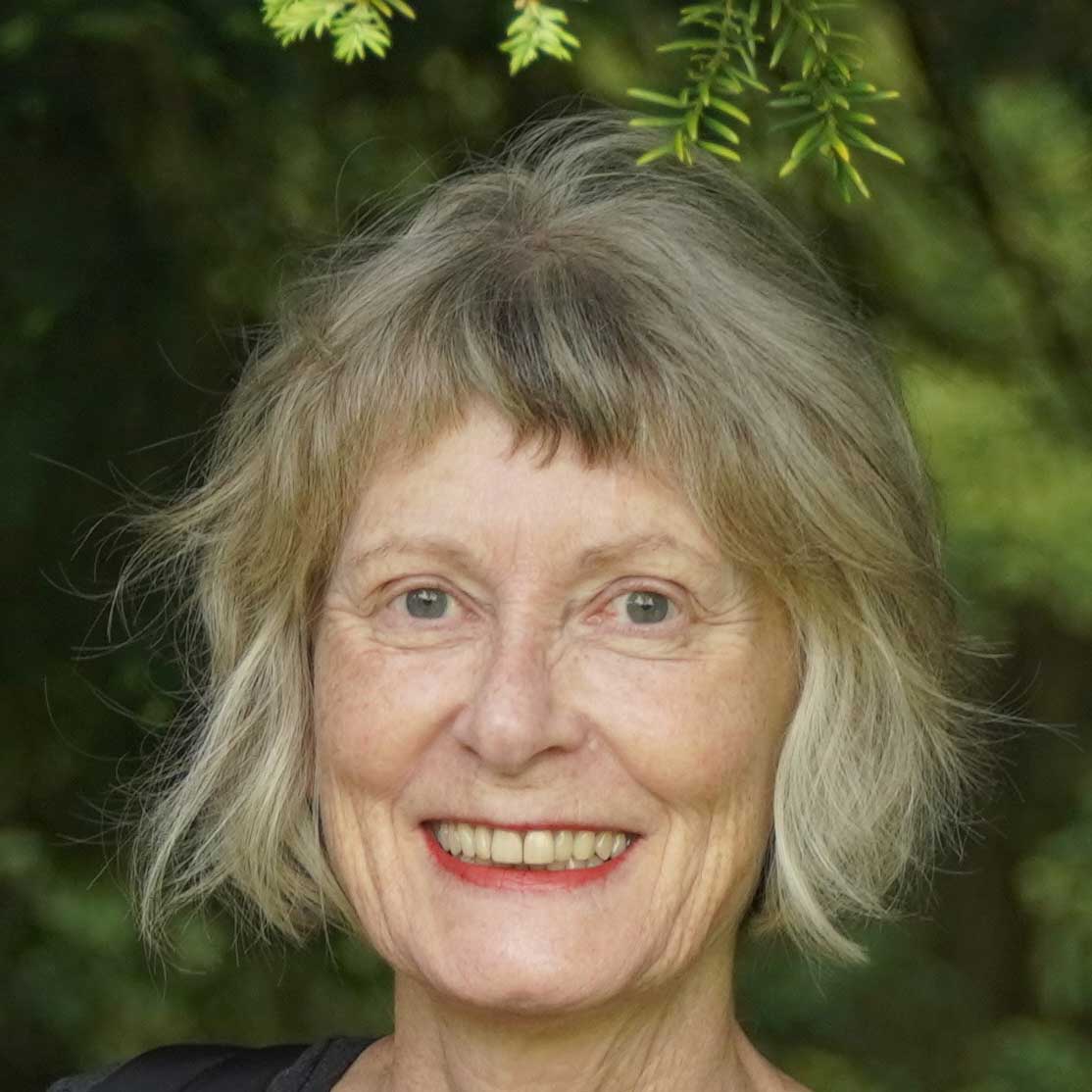
Dr Wendy Russell is a Senior Research Fellow and an independent researcher. Her research into children’s play focuses on the politics of space, and playwork. She is a co-founder of the biennial international Philosophy at Play conference and is on the editorial board of the International Journal of Play.
Critical cartography, as developed by Wendy, treats mapping not as a way of recording places but as a way of revealing the relationships, power dynamics and material conditions that shape opportunities for play. Through creative, deliberately ‘inefficient’ mapping, storying and diagramming, Critical Cartography helps practitioners to reflect on and reimagine play spaces, supporting more equitable, playful and responsive environments. Read more…
Wendy’s research into therapeutic playwork explores how children, playworkers, materials, animals and spaces come together to create conditions of safety, joy and self-directed play within therapeutic settings. By combining creative mapping with non-linear evaluation methods, it demonstrates the value of play as a relational, process-based form of care while providing meaningful evidence of its impact beyond conventional outcome measures. Read more…
Wendy has played a leading role in developing the Play Sufficiency Duty in Wales, creating practical, relational tools that help local authorities assess and improve the conditions that enable children to play. Wendy has guided play policy and practice in Wales and promotes play sufficiency internationally. Read more…
Dr Alison Harmer
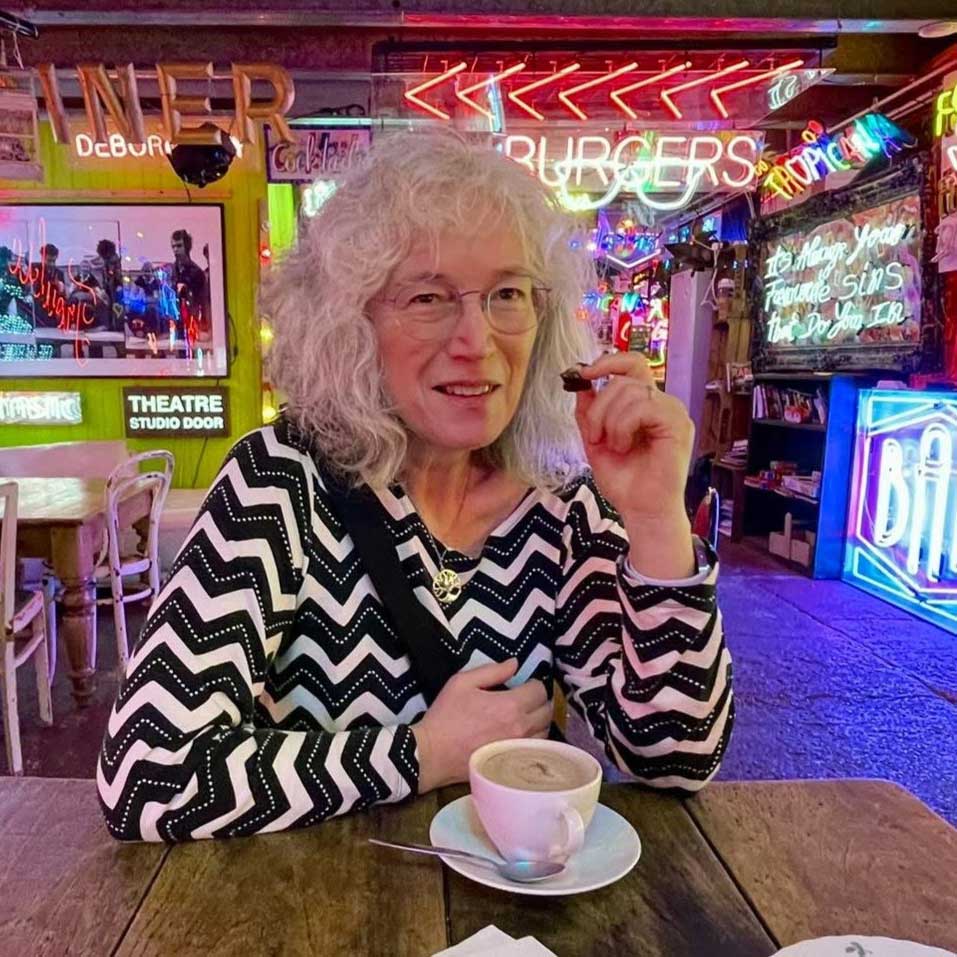
Dr Alison Harmer is a post-doctoral researcher. Her PhD used creative research methods to both acknowledge the benefits of children’s musical play and to explore its aproductivity. She is particularly interested in the applied use of sound and music to solve difficult research problems.
Organising conferences, workshops and seminars that encourage playful enquiry and speculative thinking.
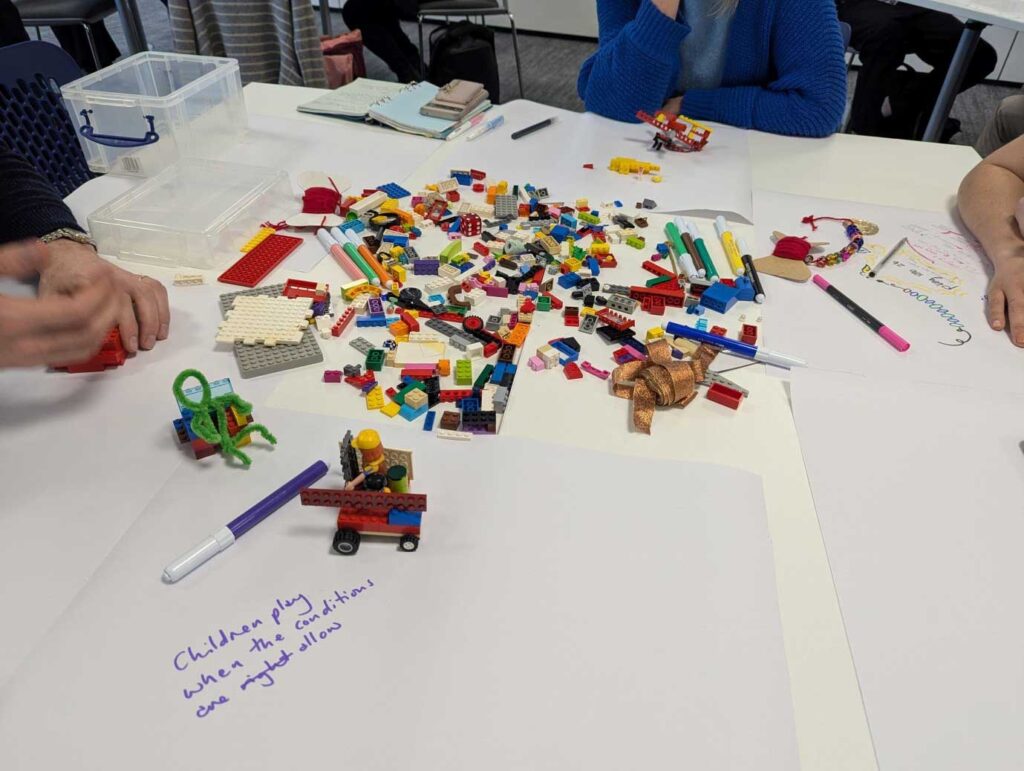
I design and facilitate workshops across educational, creative, and research contexts in which get attendees to play musically, or create models from a large collection of toys and loose parts.
My workshops encourage participants to explore uncertainty; to explore “how” they are musical by creating mini-tableaux, to interpret philosophical concepts through story-telling soundscapes, or to design better cities through collaborative metaphor-based models.
Drawing on philosophy, music, and play theory, I use workshops not simply to transfer knowledge but to carefully create conditions in which new or unbidden possibilities can emerge in dialogic tension between the actual and the possible.
Musical Toy Design
Developing the idea that musical toys make audible the control the temporality of the world for a brief moment, I design toys which play with the relationship between play and philosophical inquiry. I am particularly interested in designing playful musical objects and environments that invite curiosity, improvisation, and open-ended exploration rather than fixed outcomes or performance.
Recent publications
Harmer, A. (2024). OOO, Guerrilla metaphysics, and the allure of children’s musical play. Music Education Research, 26(3), 361–372.
Book review of Trujillo’s “The Virtue of Playfulness: Why Happy People Are Playful” in American Journal of Play (2026, vol18, issue1).
Future work
I aim to collaborate with Creative Health Practitioners from the Gloucestershire Health Consortium to explore how play-for-play’s sake functions as both a practical tool and a deeply felt, creative, and political force in caring practices.
Data will be produced by a professional illustrator and a poet, and the resulting artistic and academic outputs and curated evocative objects, are to be gathered anarchivally and shared playfully in a publicly accessible, medicine chest-style “Apothecary of Play in Care”.
Pavla Boulton
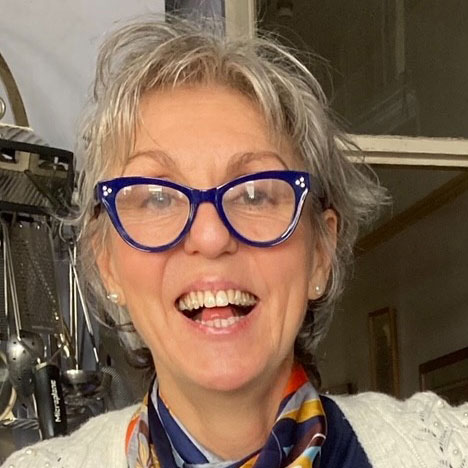
Pavla is an academic in education and early childhood, she is a National Teaching Fellow, and is currently a PhD student. Her research explores outdoor pedagogy and its place in children’s wellbeing and development, and focuses on validating playing and learning in the outdoors as a key pedagogical approach in teacher education.
Pavla has published work on outdoor play and schematic development in early childhood, provides teacher CPD in this field, and has worked with the Welsh Government to support teachers in practice.
Coming from a school teaching background, Pavla has been a lecturer for over 16 years specialising in education and early childhood. Pavla is passionate about sharing her passion for using the natural environment as the third teacher with her students, and explores how that contributes to children ‘being-well’ and developing holistically. Pavla’s doctoral study critically examines how cultural and structural dynamics in early childhood teacher education marginalise outdoor pedagogy, and how these dynamics can be reimagined as sites of innovation. Drawing on lived experience, and a portfolio of practice-based outputs, Pavla’s research analyses the impact of standards-driven accountability, risk discourses, and curriculum binaries on teachers’ confidence and practice. Using an analytical interpretive autoethnographic methodology, her study identifies five interconnected themes: Reconnection with nature, Curiosity, Wonder, Slow Pedagogy, and Disrupting binary thinking through knowledge co-construction. It concludes that theoretically grounded, relational outdoor pedagogies can resist reductive reform agendas and can empower educators to re-position outdoor learning and teaching from a fringe add-on to an innovative, valid pedagogical approach.
Pavla has worked with the Welsh Government across a number of teacher CPD projects, creating online resources and training for teachers to help them enable children’s outdoor learning and play, and to develop a greater understanding about how outdoor learning and play supports the child.
Pavla is published in journals and has written about the place of outdoor environments in children’s early development. To ensure that her research is accessible to all who choose to read it, she has worked with organisations like Early Years Wales and the Froebel Trust. As a result, her research has been published in an easy-to-read format, without jargon so that practitioners can grasp the key messages in accessible spaces. Pavla also blogs about being in nature, her research, and her work as a lecturer, where she extols the importance on learning in and with nature and why it matters.
Further reading
University of South Wales (2019) Thematic plans and lesson ideas based on ‘The Lost Words; A spell book’: A Teaching Toolkit to support the Early Years curriculum in Wales. Available at: Thematic plans and Lesson Ideas based on ‘The Lost Words: A spell book’.pdf (gov.wales)
Boulton, P. (2020) ‘Digitally proficient but disconnected from the outdoor world? A reflection on pedagogies used in an early years degree in higher education’, Journal of Applied Research in Higher Education, 12(5), pp.883–895. Available at: https://doi.org/10.1108/JARHE-03-2019-0066
Boulton, P. and Thomas, A. (2022) ‘Schematic development and the curriculum for funded non-maintained nursery settings: toolkit’, Available at: https://hwb.gov.wales/repository/resource/39397e24-d5e9-4b57-ad15-09f64f4ad0ec/overview
Boulton, P. and Thomas, A. (2022) ‘How does play in the outdoors afford opportunities for Schema development in young children?’ International Journal of Play, 11(2), pp.184-201. Available at: https://doi.org/10.1080/21594937.2022.2069348
Boulton, P. (2023) ‘Two worlds collide but are finding their place together’. Learn in nature Blog, 1 July. Available at: https://learninnatureblog.wordpress.com/2023/08/01/two-worlds-collide-but-are-now-finding-their-place-together/
Boulton, P. and Thomas, A. (2023) ‘Schemas, outdoor play and Froebel’, The Froebel Trust. Available at: https://www.froebel.org.uk/news/schemas-outdoor-play-and-froebel
Thomas, A. and Boulton, P. (2025) Elevating early childhood outdoor pedagogy: Harnessing schemas and Embracing loose parts. Switzerland: Palgrave Macmillan.
Dr Kirsten Wing
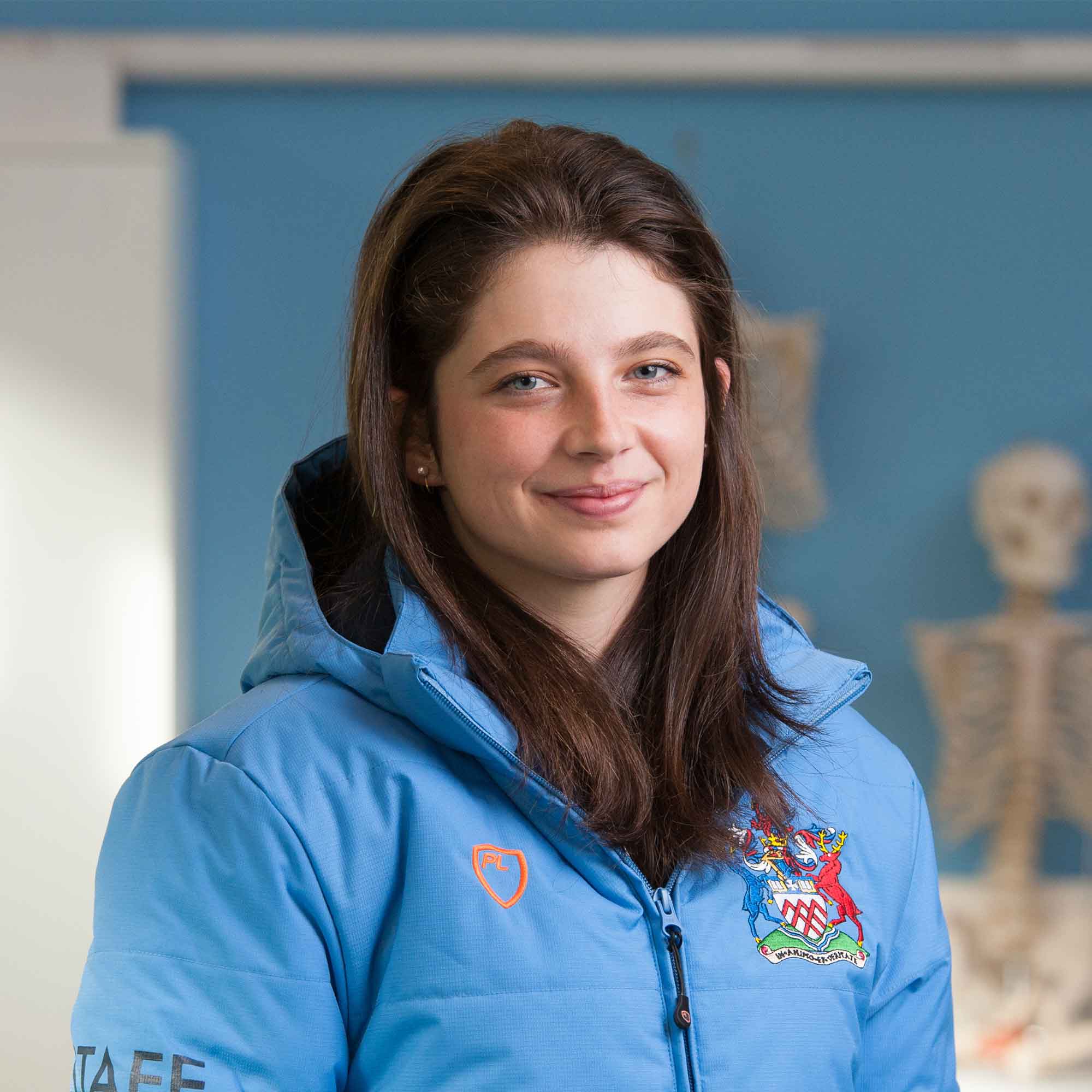
Dr Kirsten Wing is a Senior Lecturer in Sports Therapy whose research explores physical literacy, children and young people’s experiences of physical activity and play, and the translation of research into professional practice. She is particularly interested in understanding movement and play from children’s perspectives, and how practitioners can create environments that support meaningful, enjoyable and inclusive opportunities to be active through a lifetime.
Kirsten’s doctoral research evaluated a national physical literacy practitioner education programme and incorporated creative, child-centred methods to explore children’s experiences of movement and play. This work highlighted the importance of social interaction, space, environment, nature, and technology in shaping children’s opportunities and experiences.
Kirsten’s wider research draws on implementation science in health and injury privation and the child’s voice in research pertaining to young people, with a particular interest in bridging the gap between research and real-world practice to support physical literacy, play, and physical activity in children and young people.
Bolin Li
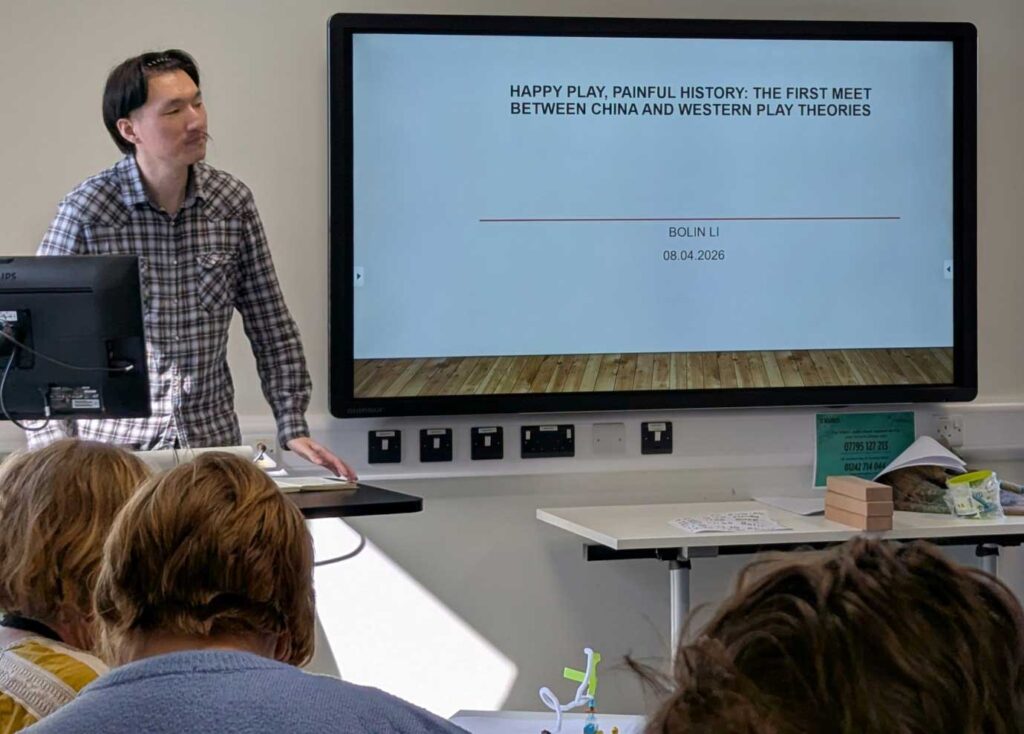
Bolin Li is a PhD student. His research focuses on the historical backdrop to the first meeting of Chinese and Western play theories and evaluates the impression that Western play theories have had on Chinese scholars.
Bolin’s PhD research aims to investigate the conceptual ambiguity of the Chinese term “游戏” (yóuxì) and its significance within Chinese play culture, in order to offer new insights into the development of a Chinese philosophy of play.
Current work
Critical cartography – inefficient mapping of play
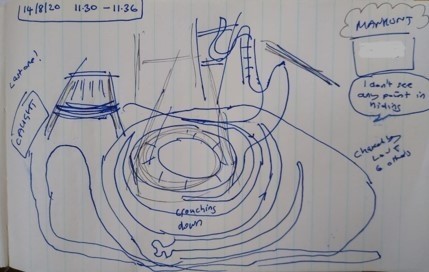
Dr Wendy Russell has been working collaboratively to develop a particular form of critical cartography over the last 15 years. Critical cartography in playwork – mapping play – takes the political idea that maps are about power and relations, not just locations, and uses this as a way of documenting and re‑thinking play spaces, playwork practice, and organisational decisions. The process of mapping becomes a tool for noticing how entanglements of space, bodies, materials, feelings, atmospheres, weather, rules, relationships and more can co‑produce conditions for play.
Through creative and inefficient mapping, storying and diagramming, the work surfaces these relational dynamics as part of everyday practice rather than as abstract policy concerns. The approach has been used across playwork, schools and policy projects as a form of reflective practice, organisational development and in assessing play sufficiency. It supports practitioners, leaders and communities to re‑imagine spaces towards more equitable, lively and playable environments.
Russell, W. (2021) Rules for Re-enchanting our Relationship with Play, East Lothian Play Association, https://elpa.org.uk/wp-content/uploads/2021/09/ELPA-Enchanting-Play-A4-Document.pdf Russell, W., Fitzpatrick, J. and Handscomb, B. (2021) ‘Adventure Playgrounds’, ‘Nature’ and ‘Learning’: Disrupting lofty notions, Built Environment, 47(2), pp. 206-222, https://eprints.glos.ac.uk/10158/8/10158-Russell-%282021%29-Adventure-playgrounds-nature-and-learning.pdf
Towards a theory of therapeutic playwork
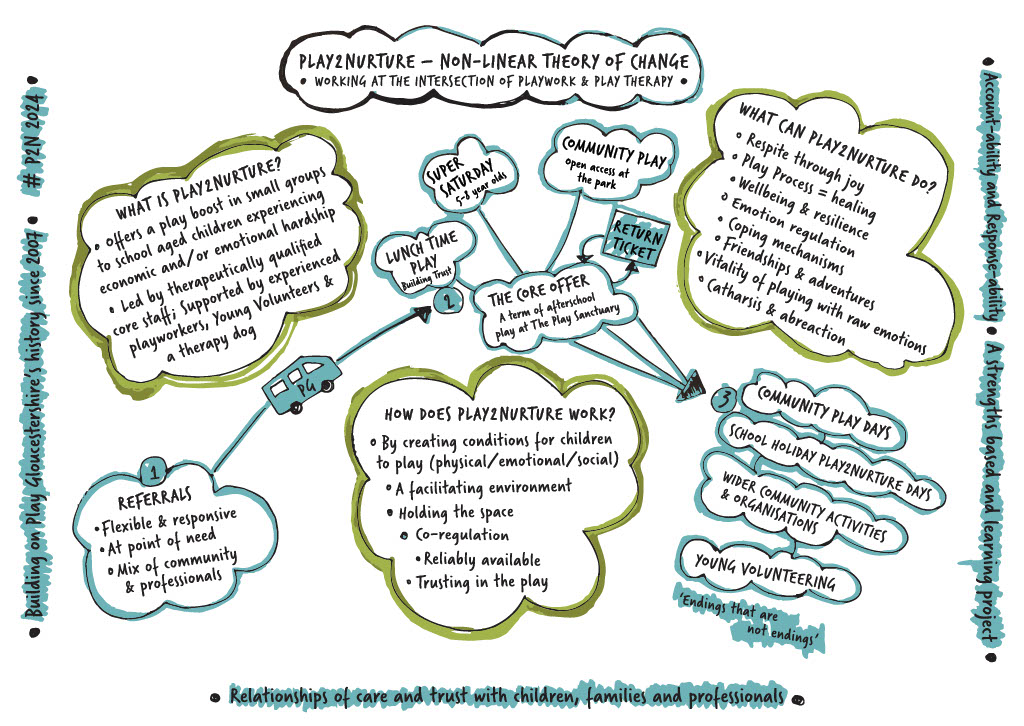
Play2 Nurture Non-Linear Theory of Change: Working at the Intersection of Playwork & Play Therapy.
What is Play2nurture?
- offers a play boost in small groups. to school aged children experiencing economic and/or emotional hardship
- Led by therapeutically qualified core staff; Supported by experienced playworkers, Young Volunteers & a therapy dog
What can Play2nurture do?
- Respite through joy
- Play Process = healing
- Wellbeing & resilience
- Emotion regulation
- Coping mechanisms
- Friendships & adventures
- Vitality of playing with raw emotions
- Catharsis & abreaction
How does Play2 Nurture work?
- By creating conditions for children to play (physical/emotional/social) A facilitating environment
- Holding the space
- Co-regulation
- Reliably available
- Trusting in the play
Dr Wendy Russell has been working with Play Gloucestershire since 2021 on a collaborative approach to evaluating their Play2Nurture project. Play2Nurture is a therapeutic playwork project operating from a dedicated ‘Play Sanctuary’ for children experiencing economic and emotional hardship.
My work focuses on understanding how playworkers, children, materials, animals and spaces come together to produce conditions in which the children can play, feel safe and experience joy, using creative, spatial methods such as ‘inefficient’ mapping and critical cartography.
A central thread in this work is holding the tension between funders’ requirements for clear, linear outcomes and the project’s commitment to valuing process: self-organised play, relationships of care nurtured over time, and small, affective moments that cannot easily be counted. By blending a non-linear Theory of Change with rich spatial and narrative accounts, we have tried to honour the ethos of therapeutic playwork while still generating persuasive evidence about why creating spaces where children can simply play matters so much.
Further reading
Play Gloucestershire Play2Nurture: playgloucestershire.org.uk/play_2_nurture/
Russell, Wendy K and Levett, Pip (2025) Play2Nurture:Bringing Together the Therapeutic Power of Play, Community Playwork, and Reflective Tools to Produce a Play Sanctuary. Children, Youth and Environments, 35 (2). pp. 207-219.
Russell, Wendy K and Levett, Pip (2025) Mapping ZombieBoy: spaces of care, joy and in-betweenness in encounters with minor theories of therapeutic playwork. Children’s Geographies.
Exploring Play Sufficiency
The Welsh Government’s Play Sufficiency Duty, which is part of the Children and Families Measure (Wales) 2010, requires all Welsh local authorities to assess and, as far as is reasonably practicable, secure sufficiency opportunities for children to play. With collaborators (particularly Ludicology), Dr Wendy Russell has been researching this statutory duty and supporting its development since before its commencement in 2012. Over that time, working with Play Wales, government officials, local authorities, children and others, she has helped to develop several conceptual tools that are also highly practical. Recognising the entanglements of late capitalism, spatial justice and children’s capability to play, these tools work with the principle that if conditions are right, children will play, and that it is adults’ response-ability to work towards those conditions.
Recently, with Mike Barclay and Ben Tawil from Ludicology, these ideas have been brought together into the Lester Kaleidoscope, a playful conceptual and practical apparatus for assessing and securing play sufficiency.
More recently, this research has broadened out beyond Wales, through working with English local authorities to develop a play sufficiency approach; supporting Play England and other organisations to campaign for a statutory Play Sufficiency Duty in England; running a series of international webinars exploring play sufficiency, and facilitating (with Play Wales) an international Play Sufficiency Forum.
Further reading
Russell, W., Barclay, M. and Tawil, B. (2025) A proposal for a Relational Capability Approach to Playing and Being Well: Towards more just material discursive practices, International Journal of Play, 14(2), pp. 242-257.
Russell, W., Barclay, M. and Tawil, B. (2024) Playing and Being Well: A review of recent research into children’s play, social policy and practice, with a focus on Wales. Cardiff: Play Wales.
Annual Play Symposium
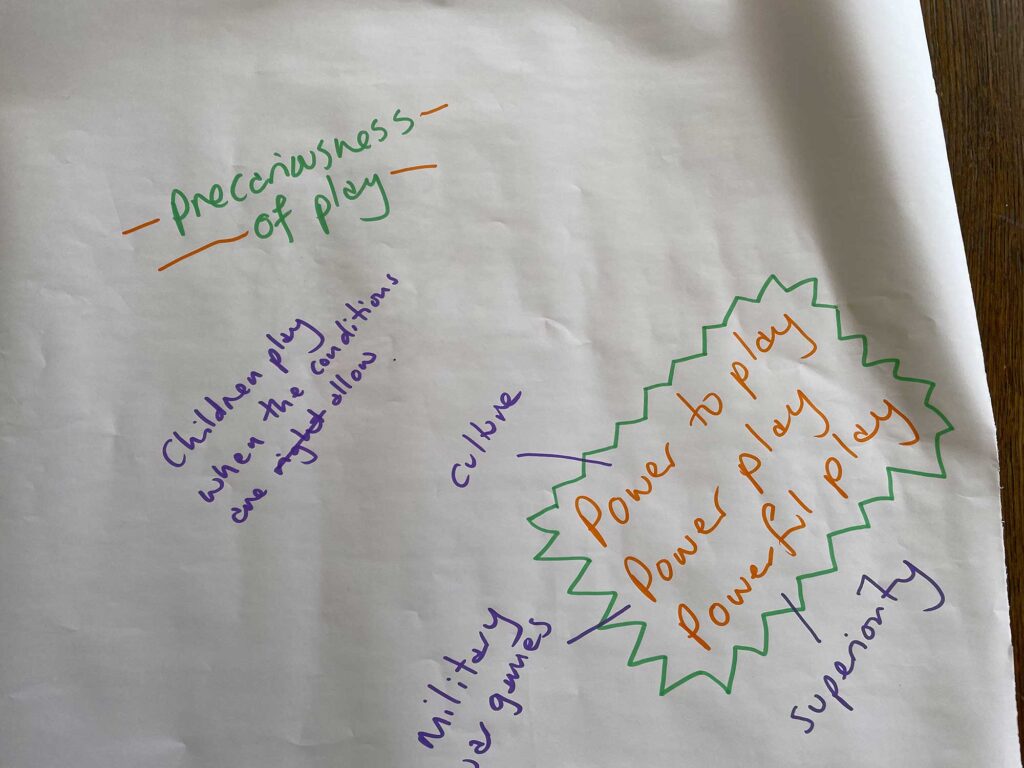
The Play Research Laboratory runs an annual Play Symposium at Oxstalls Campus, Gloucester. This year the Playful Play Symposium was a hands-on exploration of play through three presentations by scholars of play. Attendees responded to the presentations by making models out of supplied toys and loose parts, and by telling stories about the models they created.
Designing the ‘Good City’
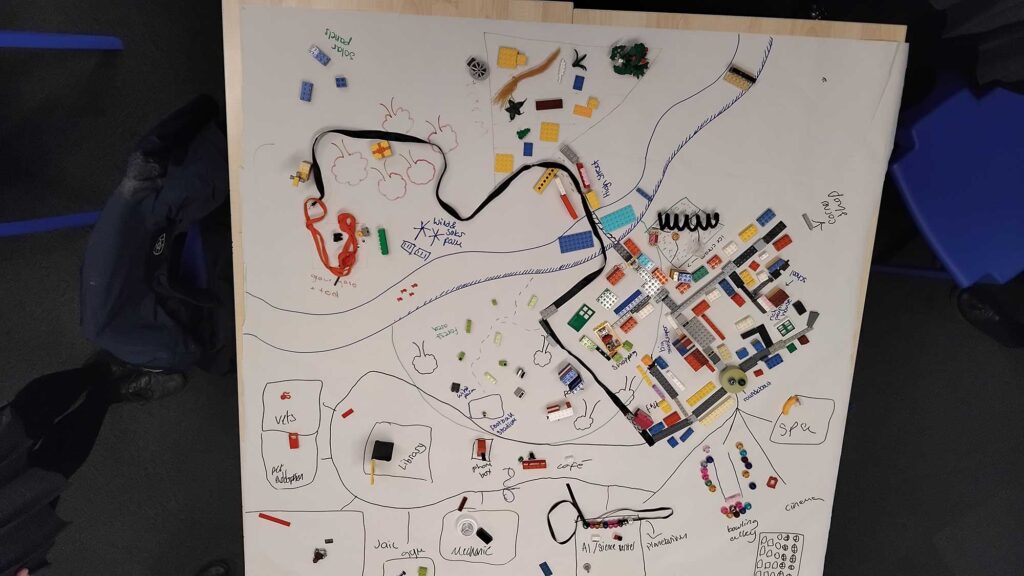
Working with Geography and Environmental Studies and local year 9 students on the design of ‘The Good City’. Students improved their designs by applying Ash Amin’s (2006) four registers of Rights, Repair, Relatedness, and Re-enchantment.
Chinese and Western Play Scholarship
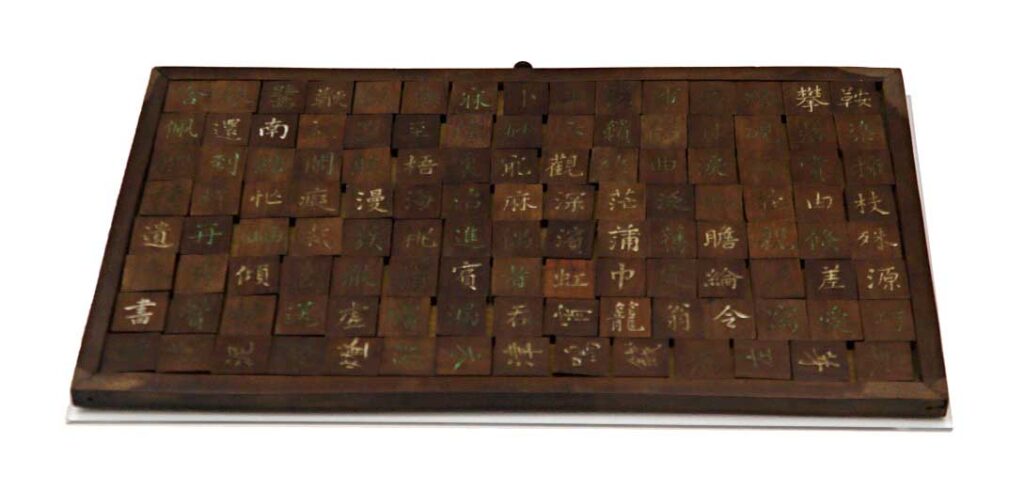
The ambiguity of 游戏 (yóuxì) – an ongoing textual and hermeneutic analysis of primary Chinese philosophical and historical texts, established Western philosophical works, primary and secondary scholarly literature in both Chinese and English, and ancient Chinese texts, to new insights into the development of a Chinese philosophy of play.

Get in touch
Contact Dr Emily Ryall using the options below:
Phone
Play Research Laboratory, Arts, Health and Wellbeing Centre, University of Gloucestershire, City Campus, Kings Square, Gloucester, GL1 1AW