
Blog 3: Small changes, big impact
Small changes, big impact: designing everyday accessible urban green spaces that work for all
Cities are full of spaces that should feel calm, restorative and accessible – churchyards, small gardens, riverside routes. Yet many quietly exclude people through small, cumulative barriers.
The Bristol Quiet Areas Plan shows that inclusion is not always about major redesign. More often, it’s about fixing the details – the things that make a space usable, predictable and comfortable.
What’s emerging is simple: small changes can fundamentally change who feels able to be there.
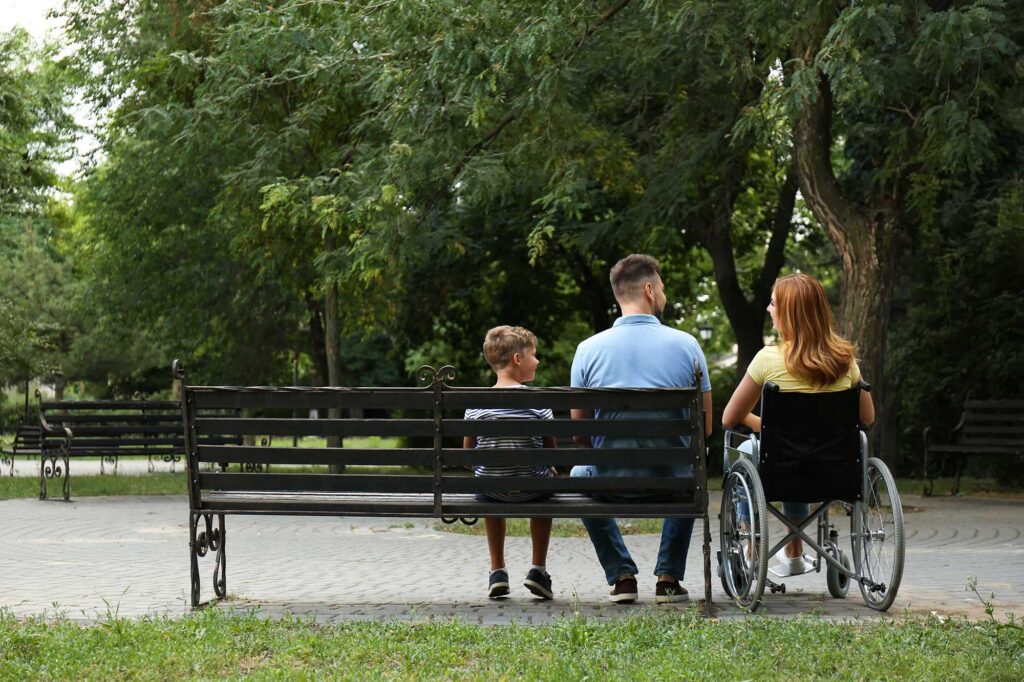
Why the details matter
Accessibility is often framed as ramps and compliance. But for many people – particularly neurodivergent individuals, older adults, or those with mobility or sensory needs – access is also about predictability, comfort, emotional safety and cognitive ease.
WECIL’s audits of Bristol’s quiet spaces part of this project focusing on mobility found that barriers were rarely dramatic. Instead, they were layered: uneven surfaces, unclear routes, inconsistent seating, poor lighting and lack of information.
Individually minor. Collectively exclusionary.
What already works
Some spaces already demonstrate what good looks like.
At Millennium Promenade, accessibility is achieved through simple, consistent design: clear routes, smooth surfaces, wide paths, tactile edges, regular seating and good lighting. The layout is easy to understand, creating a low cognitive load environment where users don’t need to constantly assess risk or direction.
Even smaller spaces like St Stephen’s Church offer positive elements – quieter areas, sensory planting and some inclusive seating.
These examples show that inclusive design is not theoretical. It already exists – just not consistently.
We already know what good looks like
The principles are well established. Guidance such as BS 8300, Building Regulations Part M and the Equality Act 2010 set out clear requirements.
More recent guidance like PAS 6463 highlights the importance of predictability and sensory comfort.
The issue is not a lack of guidance – it’s inconsistent application at the scale people experience.
Small changes that make a difference
Surfaces
Uneven cobbles, loose gravel and poor drainage can make spaces inaccessible or stressful.
- Repair, level and maintain paths, and provide smooth accessible routes alongside heritage materials.
Seating
Poorly designed or absent seating limits how long people can stay.
- Provide benches with backrests and armrests at regular intervals, in both social and quiet areas.
Lighting
Inconsistent lighting reduces safety and usability.
- Maintain even, glare-free lighting along routes and key spaces.
Wayfinding
Unclear routes and lack of signage create uncertainty.
- Use simple, legible signage and ensure consistency between physical and digital information.
Emotional experience
Spaces like churchyards can feel calming or overwhelming depending on the individual.
- Provide alternative routes and varied zones so people can choose how they engage.
Basics (toilets and access)
Access often fails at the simplest level.
- Clearly signpost facilities, ensure step-free routes and remove unnecessary barriers.
The cumulative effect
Inclusion is rarely about one big move. It’s about accumulation:
- a smoother path
- a better bench
- clearer signage
- reliable lighting
- thoughtful layout
Individually small. Collectively transformative.
Designing for more people – and better places
Quiet, nature-rich spaces are increasingly recognised for their value to health, wellbeing and biodiversity. But that value is only realised if people can actually use them.
The opportunity is clear: not to reinvent policy, but to apply what already exists with care, consistency and attention to detail.
Because good design isn’t always about adding more.
Sometimes, it’s about getting the basics right – for everyone.
References:
BS 8300-1:2018 Design of an Accessible and Inclusive Built Environment. Part 1: External Environment
Building Regulations: Access to and use of buildings: Approved Document M
Equality Act 2010
Neurodiversity & the Built Environment – PAS 6463:2022
; ?> "Visit the homepage")