
Blog 5: From Noise to Soundscape
From Noise to Soundscape: Rethinking Quiet in the City
Understanding Noise and Sound
Acousticians study how sound behaves in the environment. Traditionally, this has focused on unwanted, non-natural sound (commonly referred to as “noise”) and its potential negative impacts on human and ecological health.
In standard assessments, noise is measured from sources such as transport, commercial activity, industry and construction. These are quantified using decibels and assessed against British and international standards to determine whether a place is suitable for different uses.
Moving Beyond Decibels: The Soundscape Approach
However, this approach does not fully reflect how people experience sound in context. The concept of soundscape – defined as the acoustic environment as perceived by people (ISO 12913) – provides a more holistic understanding.
A purely technical approach can overlook the positive qualities of everyday environments. Natural sounds such as birdsong, wind in trees, and water movement can contribute significantly to wellbeing. Research has shown that exposure to these sounds can support recovery in healthcare settings and improve overall environmental quality.
A Soundscape-Led Method
The Bristol Quiet Areas Plan adopts a soundscape-led approach using the citizen science led Hush City app and survey, combining technical analysis with lived experience. Soundwalks – a method of “deep listening” – are used to capture how participants perceive and respond to different environments.
Acoustic specialists supported the identification of potential quiet spaces across Bristol city centre in December 2025. All selected sites recorded sound levels above 54 dB, with some exceeding 55 dB – above World Health Organisation thresholds for “serious annoyance”. However, within a city centre context, these spaces are still experienced as relatively calm.
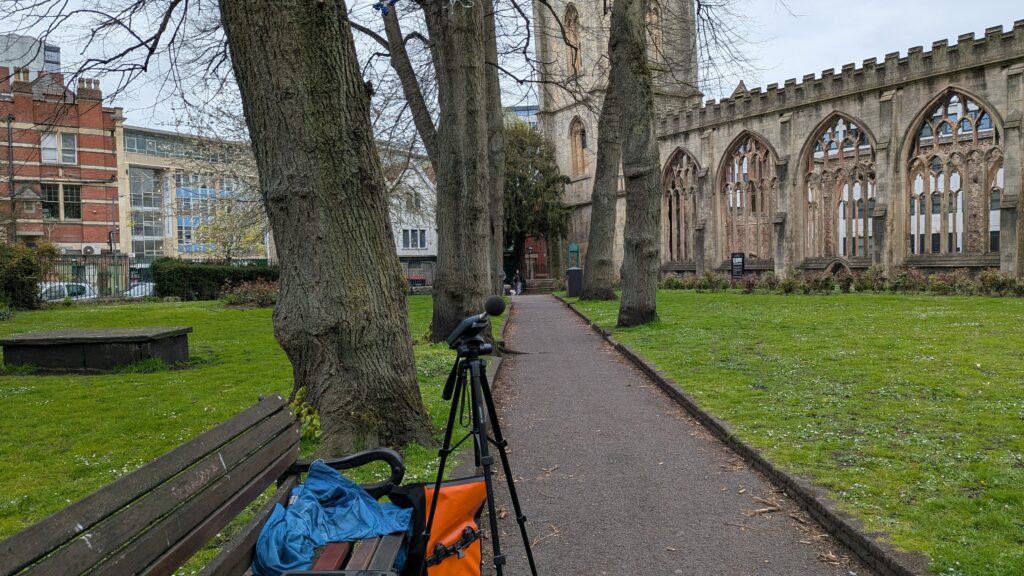
Rethinking “Quiet” in the City
This highlights a key finding: there is no perfect “quiet” space in a city centre. Instead, quiet is experienced as relative – a reduction in noise compared to the surrounding environment. These places are better understood as “less noisy” rather than silent.
Participant feedback from April 2026 soundwalks reinforces this. As one participant noted, “there is always some noise… I can still relax.” The project therefore focuses on identifying spaces that provide relief from urban intensity, rather than eliminating sound altogether – less noisy.
What Makes a Space Feel Quiet?
Each of the three selected sites offered distinct qualities.
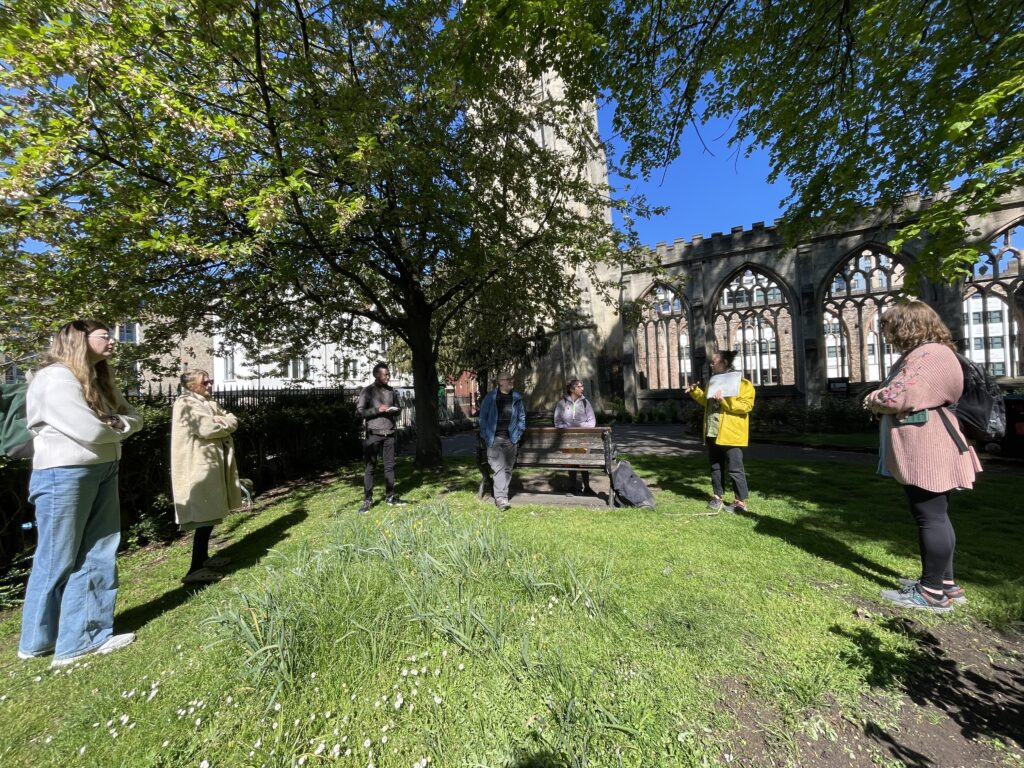
At Temple Church Gardens, the openness and presence of natural sound were key:
“It is a very peaceful place, not too busy with people.”
“The bird sound is relaxing, the quiet sound of people talking.”
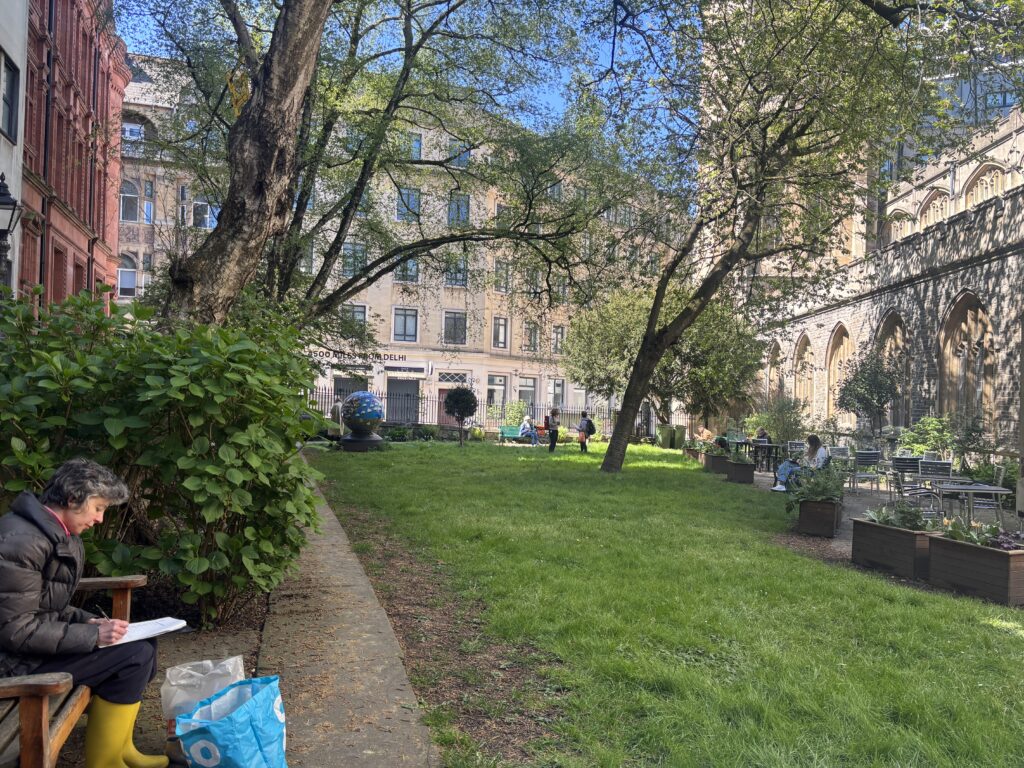
At St Stephen’s Church gardens, participants noted the contrast between enclosure and background noise:
“Quiet chatter, birds. Traffic slightly ringing from café.”
“Couldn’t hear the wildlife – traffic rumbling.”
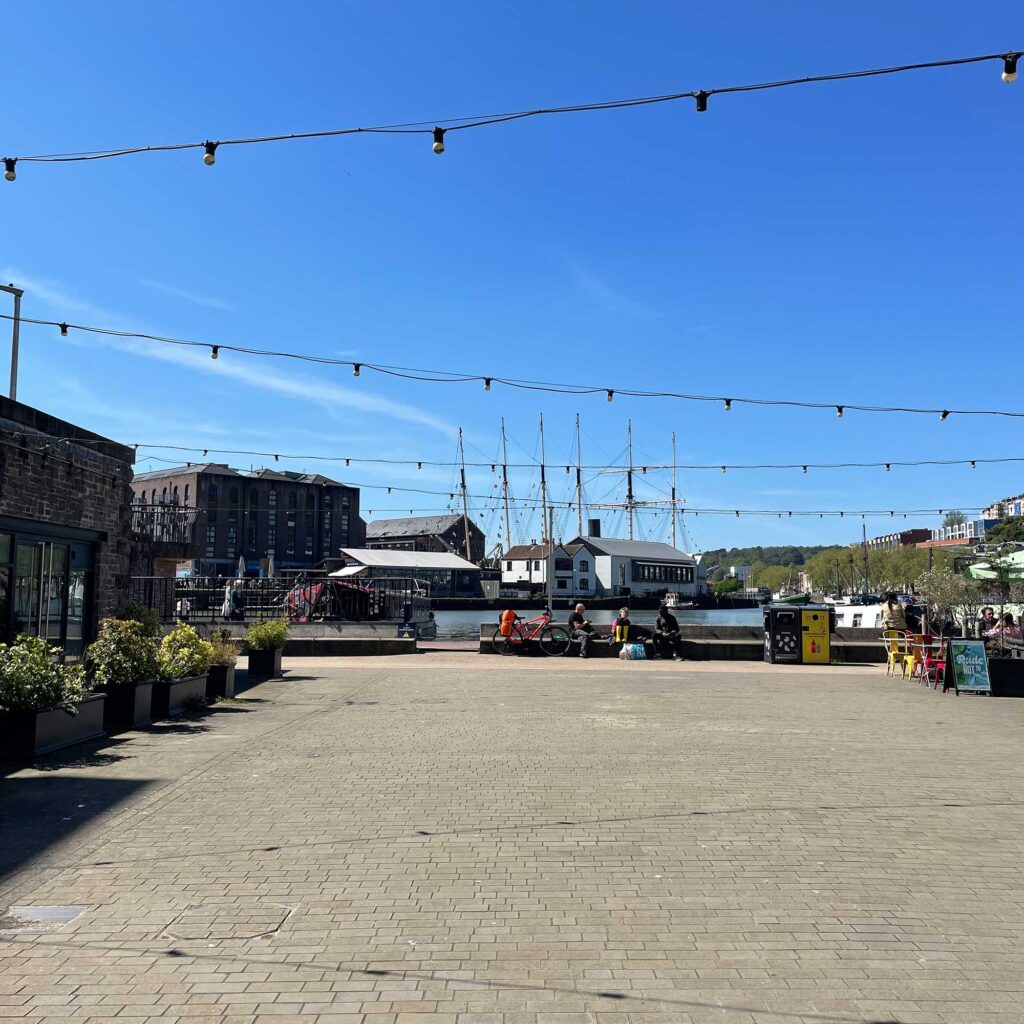
At Millennium Promenade, the presence of water was particularly valued:
“Soothing space of water. The water is calming me.”
“The traffic sound is unpleasant… Beautiful location. Very peaceful.”
Across all sites, a consistent theme emerges: natural sounds play an important role in shaping how spaces are experienced, even where urban noise is still present. The experience of quiet is also dynamic, varying throughout the day and across seasons.
Why This Matters
This pilot project demonstrates the value of combining technical expertise with lived experience. By focusing on users who are more sensitive to environmental conditions, particularly neurodivergent individuals, the research provides deeper insight into how urban spaces can better support wellbeing, accessibility, and inclusion.
Designing with these perspectives in mind has the potential to improve outcomes for a wide range of users and inform future approaches to inclusive, health-focused urban design.
References
- Hush City https://map.opensourcesoundscapes.org
- British Standards Institute. 2014. “ISO 12913-1:2014 Acoustics — Soundscape Part 1: Definition and conceptual framework.” ISO 12913-1:2014 Acoustics — Soundscape Part 1: Definition and conceptual framework. https://www.iso.org/standard/52161.html.
- Guidolin, K., Jung, F., Hunter, S., Yan, H., Englesakis, M., Verderber, S., & Quereshy, F. (2024). The influence of exposure to nature on inpatient hospital stays: a scoping review. HERD Health Environments Research & Design Journal, 17(2), 360–375. https://doi.org/10.1177/19375867231221559
This blog has been produced by Dan Pope (WSP) and Jameson Musyoki, who are both acoustic consultants and Members of the Institute of Acoustics. Both are members of the advisory group for the Bristol Quiet Areas Plan project.