
Blog 7: Connectivity
The Bristol Quiet Areas Plan is a new research and engagement project investigating how neurodivergent adults and wider communities experience quiet, accessible, cool, and nature-rich urban spaces across Bristol. Three sites in the city centre were chosen because, in the context of an urban environment, they are quieter and greener than many other public spaces. We conducted Hush City soundwalks with participants from Disability, Inc.
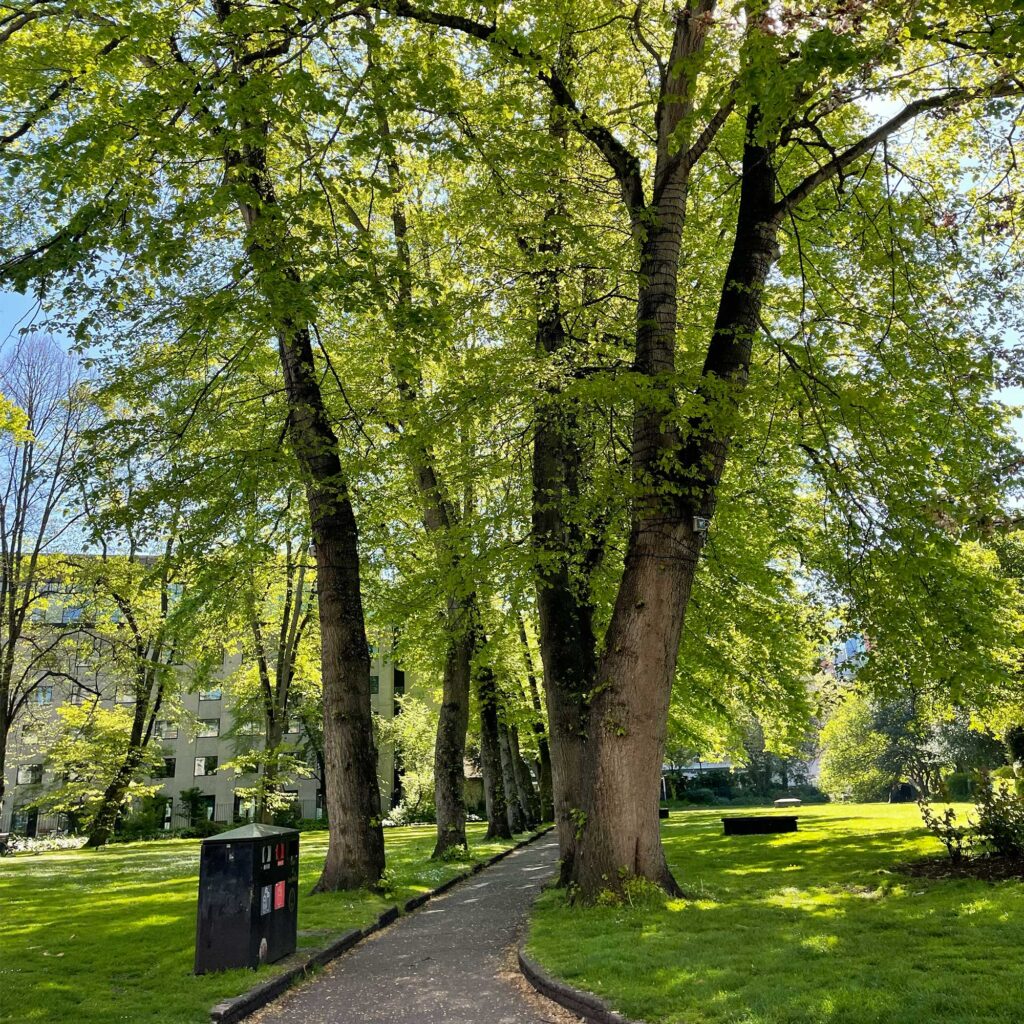
Sharing the experience of spending time in each green space and moving between them was eye-opening. Neurodivergent people may not only experience spaces differently, but the journey to and between these spaces can also impact the experience within a quiet space.
How do we get there?
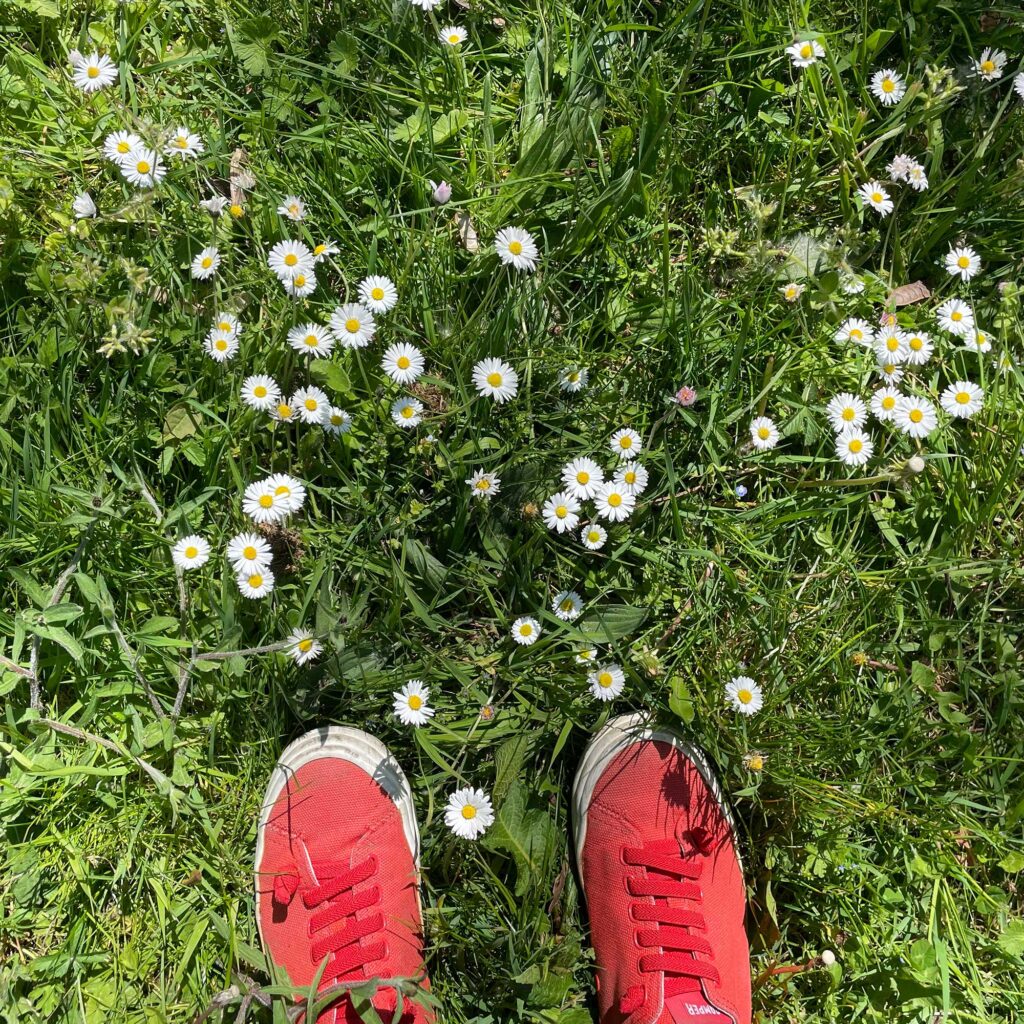
Accessibility – connectivity – what is the journey to a quiet, green space? Is there physical signposting? Or digital? And how does the pre-existing understanding of the area impact the experience of the journey, as well as the time spent in a quiet space?
Participants had varying experiences reaching the first site, Temple Gardens, and even used different forms of transport to get there; some found it difficult to find and arrived feeling anxious. We know that accessing quiet, green spaces can be beneficial for physical and mental health. Ensuring that people feel comfortable and confident getting to these spaces is important. Your Park has conducted research demonstrating that a barrier to using parks is the ability to reach them, whether by public transport, walking, or a private car. Their recommendations included ensuring collaboration between disabled people and institutions, as well as keeping websites up to date to facilitate planning trips to parks. This project is taking these experiences, as well as the involvement of neurodivergent participants, into consideration in the design of a new, accessible website. This will help make the journey to these quiet spaces smoother.
And getting from one space to another?
What is the journey between the spaces? It is possible to walk between the quiet spaces we visited, either on foot or by wheel. The inner-city infrastructure has walkable pavements between the sites, although at the time of writing, significant construction is impacting them. The new infrastructure on Victoria Street is becoming more pedestrian-friendly, with increased greenery, though places to stop and rest may be farther apart than the ideal 200m.
Does it work for urban wildlife?
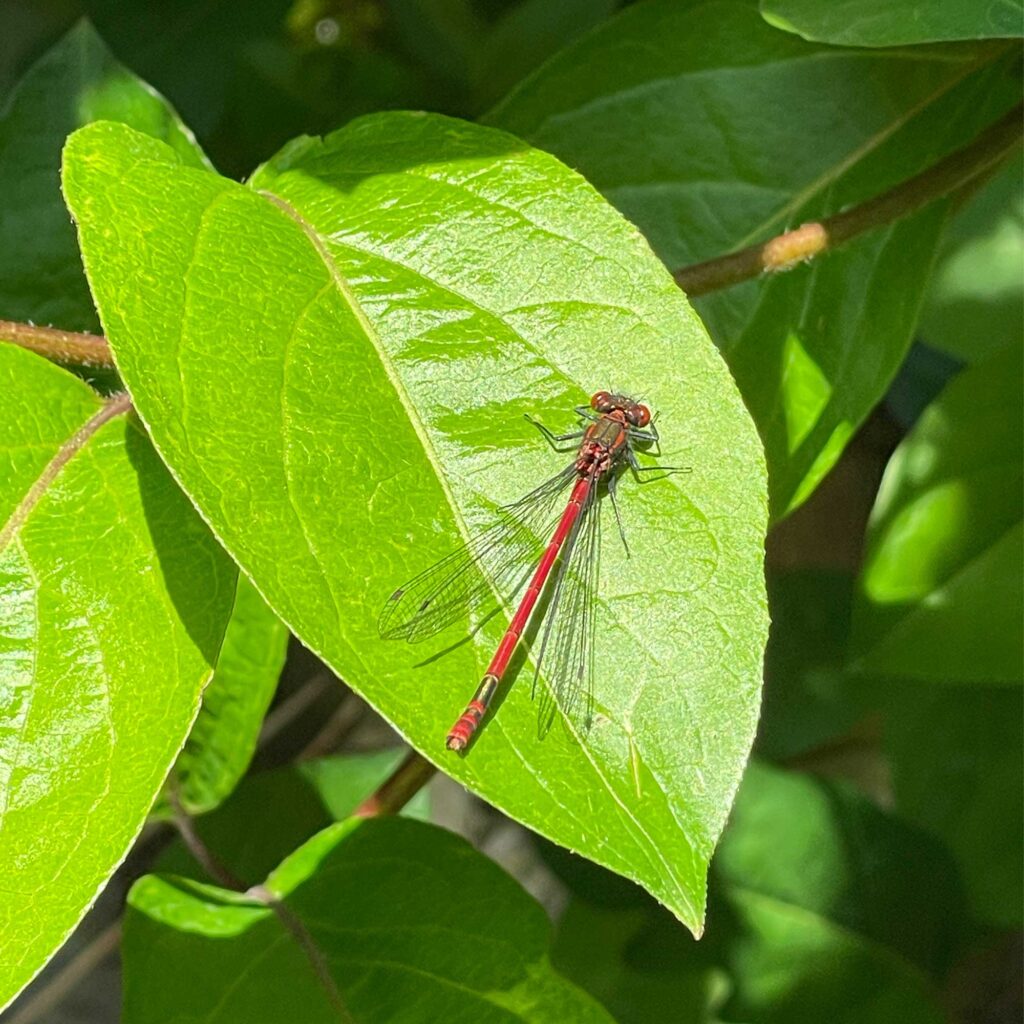
Although the sites were selected because they had some greenspace and or biodiversity, this is an area which could use future research. Discovering whether bats, for example, might use one or more of the sites and identifying opportunities to create green corridors between them could facilitate connectivity for wildlife as well as people.
What can we expect?
Accessibility and connectivity in the centre of a city require the ability to plan a journey, including knowing whether there will be toilets nearby, whether you can get food or drink, and what the physical access to the space will be. Knowing how far a bus stop or car parking place is from the entrance can make the difference between a space that is visited and one deemed too difficult to access.
This project has worked with people to identify what makes a quiet green space favourable and what could be improved. Collaboratively designing parts of the website to open up these spaces will help more people access quiet, green spaces. The information gathered can influence future policy and planning for people and wildlife.
This blog has been produced by Zoe Banks Gross, who works across sustainability, active travel, healthy places, and social justice and a member of the advisory group for the Bristol Quiet Areas Plan project.