
How long-haul travel will provide World Cup footballers with another opponent to tackle
As the 2026 FIFA World Cup stretches across Canada, Mexico and the United States, players won’t just be battling opponents – they’ll be battling the hidden health risks of long-haul travel.
Unlike previous World Cups, where venues were within driving distance, the long distances involved at this year’s tournament means teams will have to travel by air. With some teams scheduled to travel thousands of miles during the group stages of the tournament, which kicks off on 11 June, players will spend hours at a time confined to aeroplane seats, with little opportunity to move.
Bosnia and Herzegovina players, for example, face a four-hour flight from their training base in Sandy, Utah, to their first group match in Toronto. The flight time from England’s base camp in Kansas City to their second group match in Boston is around three hours, while Scotland players face a flight of around two hours, 20 minutes from their base in Charlotte, North Carolina, to their second group match in Boston.
While the dangers of deep vein thrombosis on long flights are well known, research suggests the effects of prolonged sitting could pose a much wider threat to athlete health, recovery and performance.
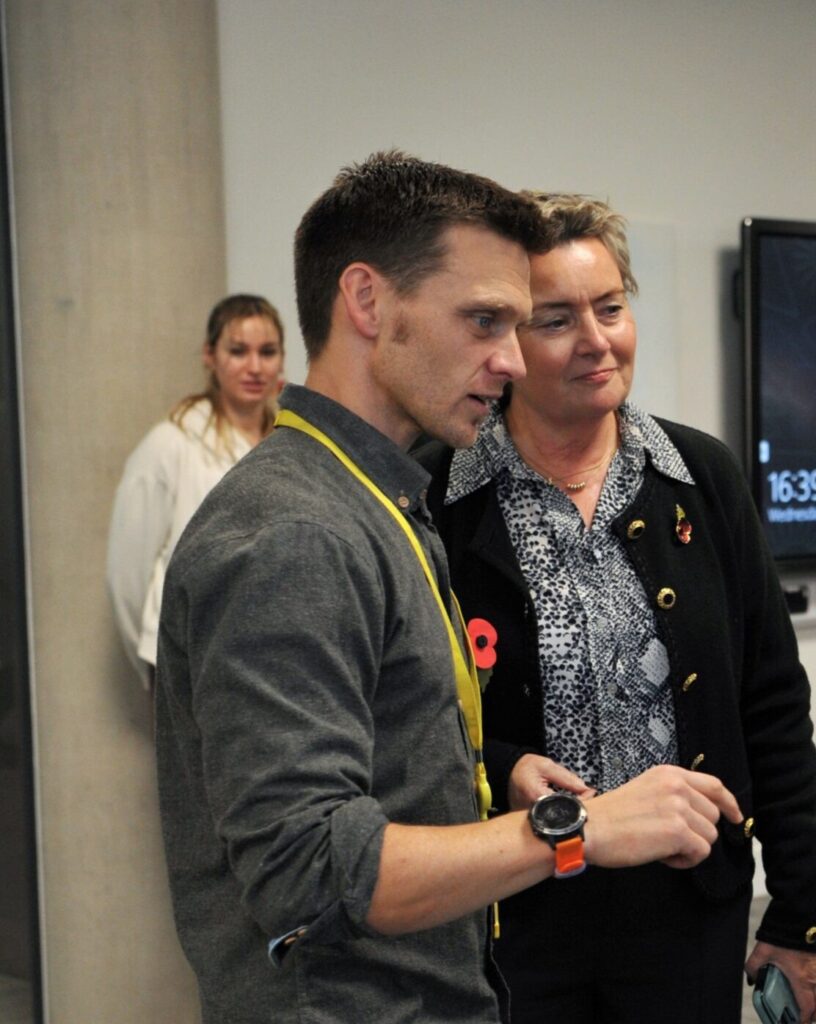
University of Gloucestershire researcher Dr Simon Fryer, Senior Lecturer in Sport and Exercise Physiology, has spent the past decade investigating how uninterrupted sitting impacts cardiovascular and cerebrovascular function – and how simple ‘exercise snacks’ may help counter the damage.
His findings show that after just 60 minutes of uninterrupted sitting – far less than the duration of a typical World Cup flight – the body already begins to experience significant physiological changes.
Blood flow to the legs drops, blood begins to pool in the lower limbs, and calf size can increase by up to three centimetres. At the same time, the cells lining the arteries begin to function less effectively, increasing strain on the heart and circulatory system as heart rate and blood pressure rise.
For elite athletes, including the more than 1,000 professionals footballers at the World Cup, these effects may have serious implications. Reduced blood flow means less oxygen and fewer nutrients reaching the muscles at a time when recovery is critical. Research suggests impaired circulation during the first 72 hours after competition can negatively affect muscle function and potentially increase injury risk.
But Dr Fryer’s research also points to a surprisingly simple solution. Short bursts of movement – known as ‘exercise snacks’ – can significantly improve blood flow and reduce the harmful effects of prolonged sitting. Even small movements such as repeated calf raises or simple leg fidgeting while seated can help maintain circulation and support recovery.
As the world’s biggest football tournament prepares to span an entire continent, the research highlights an emerging challenge in modern sport: how travel itself may become a performance factor.
Dr Fryer said: “Whether you’re an elite footballer – like Lionel Messi, Kylian Mbappe or Harry Kane – or a normal member of the public, sitting for long periods of time without moving isn’t good for your health. Uninterrupted sitting, even for an hour, can cause cardiovascular dysfunction, particularly in the legs.
“Thankfully, our research shows that you don’t have to be a superstar athlete surrounded by lavish medical teams to be able to prevent issues caused by sitting for long periods of time on a plane, on a coach or even while working at your desk.
“We have found that simple aerobic activities such as fidgeting, walking or light exercise can make a real difference in helping to reduce the harmful effects of prolonged sitting – that applies to multi-millionaire footballers just as much as everyone else.”