
University of Gloucestershire’s new £2.5m facility hosts annual simulation event for the first time
FutureSim, University of Gloucestershire’s new Centre of Excellence for simulation and technology-enhanced learning, hosted around 200 students as part of a major emergency training simulation exercise.
Designed by the University’s Skills and Simulation team, Operation Solstice enabled students to put theory into practice within a demanding but controlled setting at Oxstalls Campus, working collaboratively with partners from the emergency services.
This was the fourth successive year that the annual emergency simulation had taken place, but the first time at FutureSim – the University’s new AI-powered facility which brings together immersive technologies and interdisciplinary training.
Students were required to perform critical roles in response to a simulated emergency situation in which a driver had a medical event and lost control of their vehicle, which as a result ‘careered’ into crowds attending a nearby street fair.
‘Casualties’ – comprising student actors and volunteers – were attended to by students from the University’s Nursing, Paramedic Science and Sports Therapy programmes using specially adapted emergency facilities at FutureSim, including an acute assessment unit, a rapid access treatment centre and a resuscitation area.
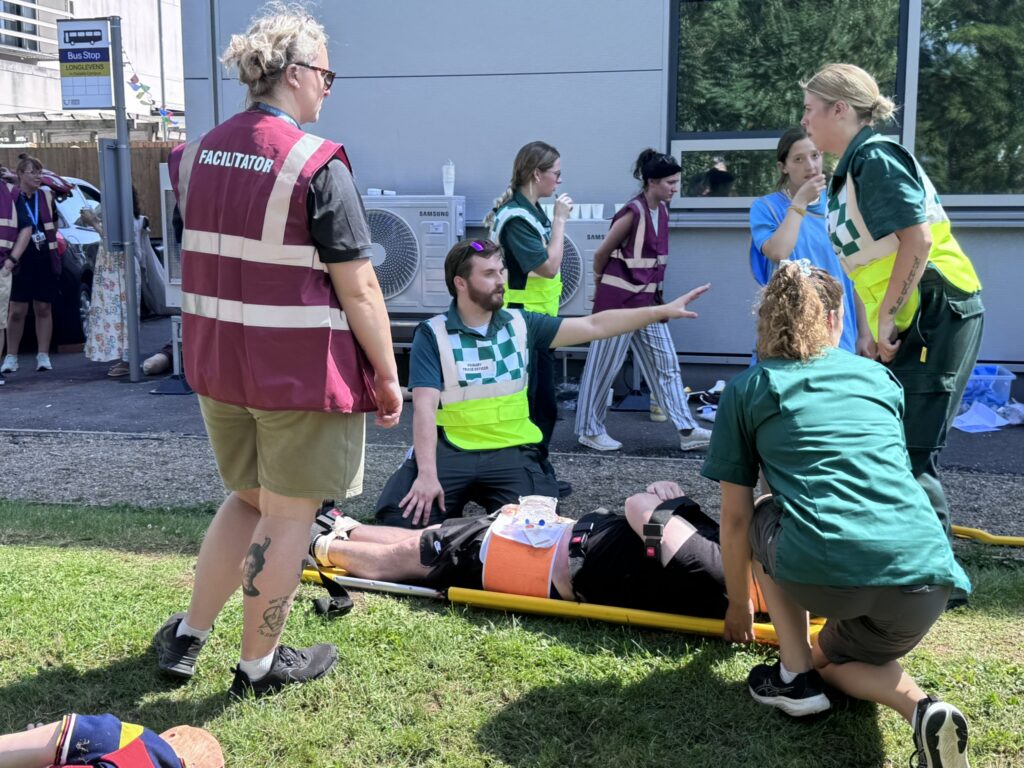
Paramedic Science student, Andrew Kemp, said: “The simulation provided everyone involved with an excellent opportunity to see how well they could work under pressure and if they could cope with stressful situations they would find themselves in as a healthcare professional. The event seemed to go well and, as a group, everyone collaborated really well with each other.”
Supported by £2.5m in funding from the Office for Students, FutureSim opened in May 2026 and has brought the University’s existing simulation facilities and new facilities into one integrated hub. It features zones designed to replicate real-world environments, including clinical, forensic and custodial settings.
The zones are equipped with technology‑enhanced learning tools, including virtual patient pods, a Hydra Command Suite – an advanced immersive learning facility used for critical incident training – state-of-the-art manikins, XR/VR platforms and AI-enabled analytics.
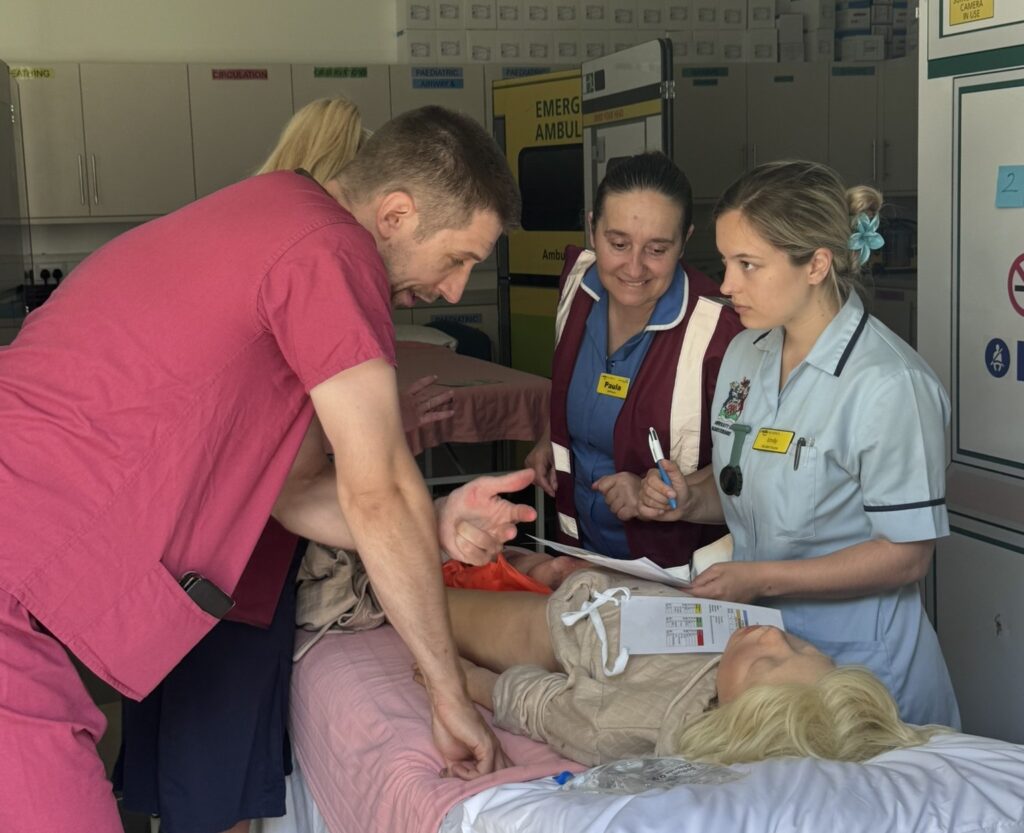
Simon Kersey, Practice Skills and Simulation Lead within the University’s School of Education, Health and Science, said: “Our major emergency training event is always an important date in our academic calendar as it offers students a valuable learning opportunity working alongside professionals from our partners in the emergency services.
“This year, there were the added benefits of our students being able to access the advanced facilities provided by FutureSim, which is a game-changer in the way students, professionals and employers will experience simulation-based education, workforce development and digital practice.
“As in the previous three years, Operation Solstice proved a major success in immersing students from different academic programmes in the complexities and pressures of a simulated crisis to prepare them for careers in the health and medical sectors.
“The exercise helped students practise teamwork, communication, prioritisation, professional judgement and situational awareness in a safe and supportive learning environment.”