 Back to stories listing
2026 London Marathon – UoG MSc Physiotherapy students Medical Team Volunteer Experience
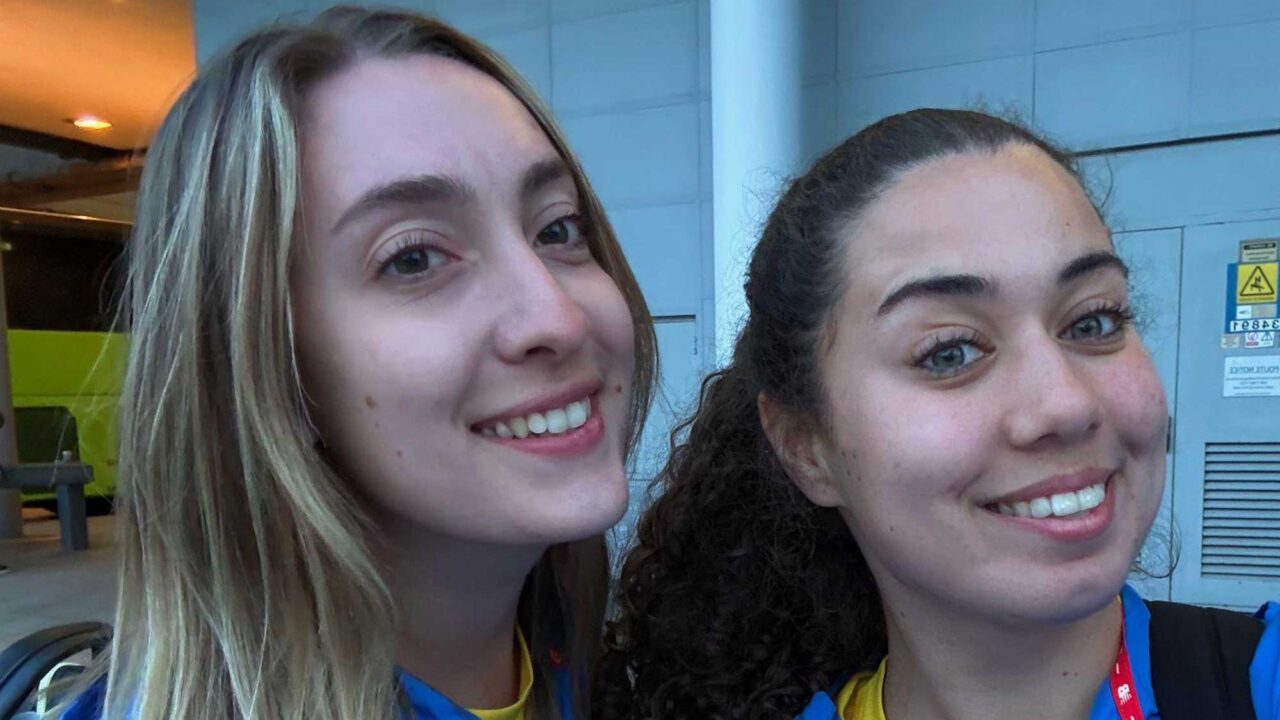
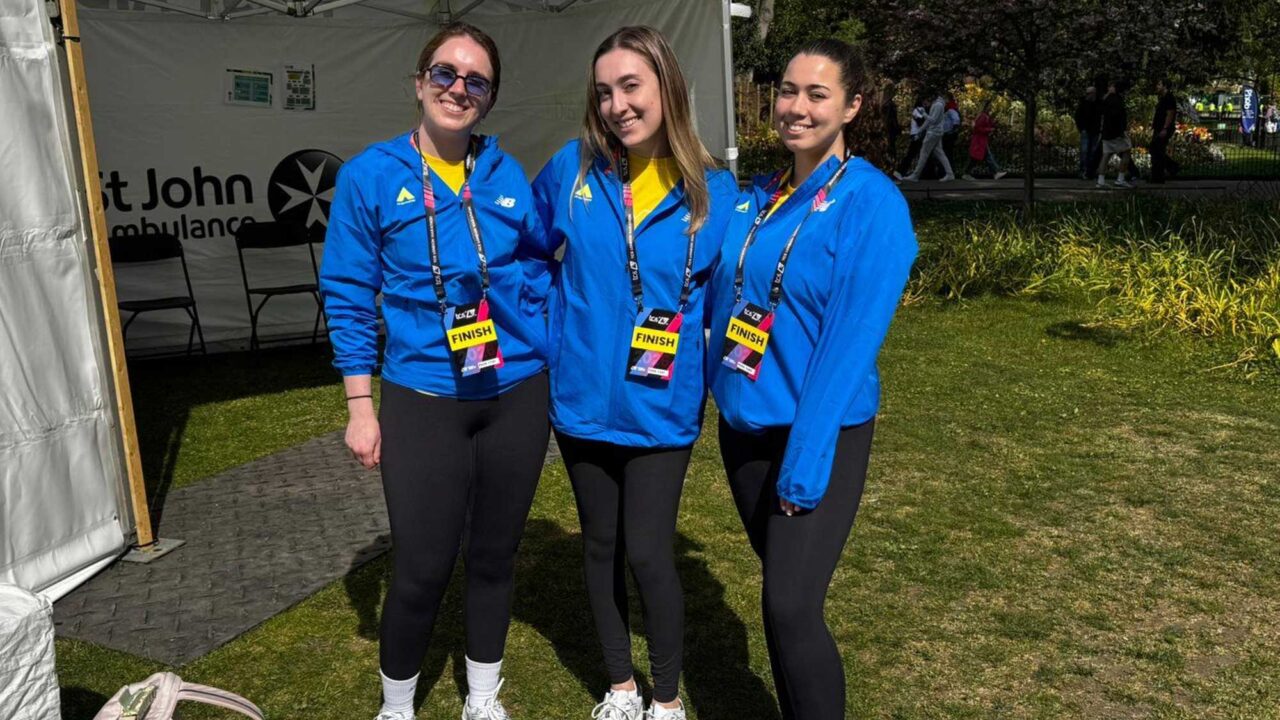
On April 26, 2026, Laniece and Mackenzie, University of Gloucestershire (pre-registration) Physiotherapy students volunteered at the 2026 London Marathon as part of the event’s medical support team. The experience provided an excellent opportunity for both students to represent the Physiotherapy programme and the University within a highly professional and fast-paced clinical environment.
Initially, the students applied for physiotherapy student volunteer roles, hoping to work directly with athletes requiring physiotherapy support during and after the race. Although these positions were extremely limited and they were unfortunately unsuccessful in securing them, both students demonstrated initiative and enthusiasm by accepting alternative positions within the marathon’s wider medical services team as Medical Data Capture volunteers. This enabled them to broaden their clinical exposure and gain valuable insight into multidisciplinary event medicine on an international stage.
Throughout the marathon, medical tents were positioned along the course and staffed collaboratively by doctors, paramedics, physiotherapists, and wider healthcare teams to provide immediate care to participants. Within their role, the students were responsible for monitoring and recording the number of athletes requiring medical assistance during the event.
As Medical Data Capture volunteers, they were often the first point of contact for athletes seeking medical attention. They assessed athletes’ initial concerns by discussing symptoms or injuries before appropriately triaging them to either the physiotherapy or paramedic teams, depending on the severity and nature of the condition. This required effective communication, professional judgement, adaptability, and teamwork within a demanding and time-sensitive environment.
In addition, the students were responsible for accurately documenting patient data and treatment outcomes. This included scanning athletes’ race bibs on arrival, recording whether they presented independently or required assistance, and documenting discharge outcomes following treatment. They tracked whether athletes left independently, required support on discharge, or needed escalation to further medical care, including transfer to Accident & Emergency (A&E) services.
The experience was both rewarding and unforgettable. As UoG Physiotherapy students, they acted as excellent ambassadors for both the profession and the University, demonstrating professionalism, initiative, and a willingness to expand their clinical portfolio beyond traditional placement settings. Volunteering at such a prestigious international sporting event strengthened their communication, teamwork, organisational, and clinical reasoning skills, while also providing valuable insight into large-scale event medicine and multidisciplinary healthcare delivery.