
Clearing 2026: A guide for parents and guardians
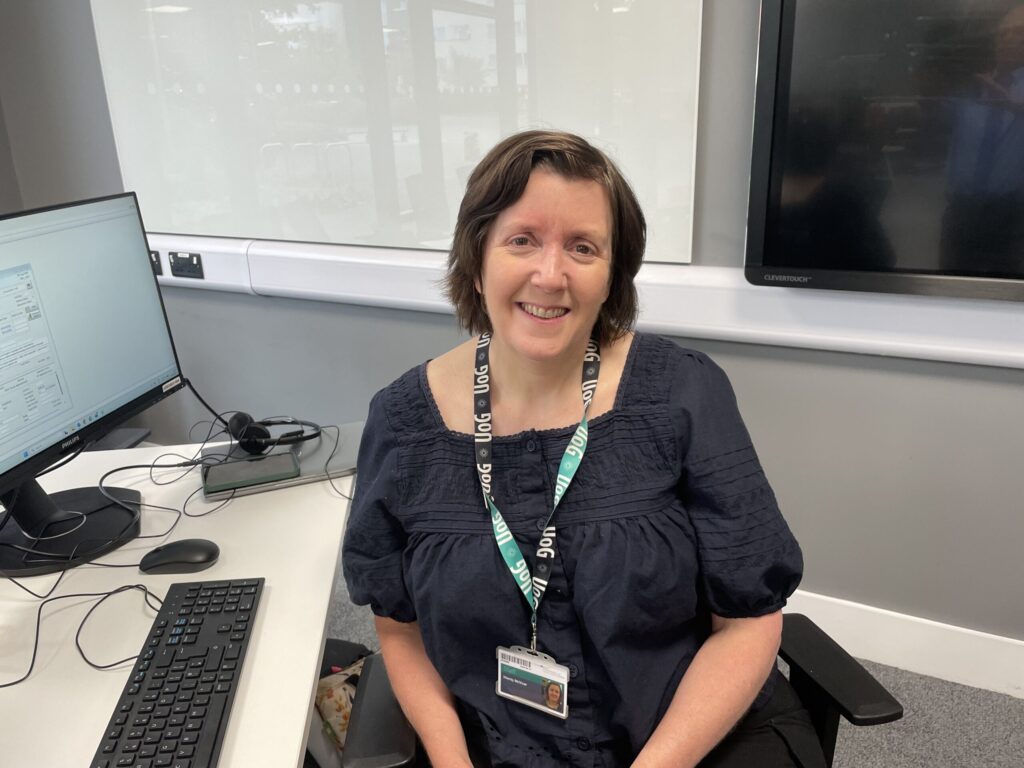
For many families, A-level Results Day can feel daunting, with parents and guardians often as anxious as the young people waiting for their grades. However, the day brings many possibilities and there is no need to panic, says Wendy McVicar, Admissions Manager at University of Gloucestershire.
“As a parent of a 20-year-old myself, I have very recent experience of the pressure and stress that results day brings,” says McVicar. “But the good news is that there are plenty of options available – whatever happens when that envelope is opened – and parents and guardians have an important role to play in helping their young people navigate those choices.”
For students receiving A-level results in England, UCAS operates an embargo until 8am on results day (13 August this year). Many universities will contact applicants before then to confirm whether they have secured a place, so parents and guardians should encourage their children to check their emails first thing.
While many will have cause for celebration, others may feel uncertain – not necessarily because of their grades.
“Increasingly we see young people having a wobble on results day because they’ve changed their mind about the course or university they want to attend,” says McVicar. “Applications are made around six months earlier and, for many young people, a lot can change during that time. Career aspirations may have shifted, or personal circumstances may be different.”
If a student has secured a place but wants to change course, McVicar recommends contacting their chosen university first. If that isn’t possible, Clearing can provide an excellent alternative.
“The days of Clearing only being for students who missed their grades are long gone,” she says. “Every year we hear from students who have done better than expected or simply changed their minds. Parents and guardians are often surprised by the breadth of courses available through Clearing, and universities can often discuss alternative qualifications and progression routes too.”
The UCAS website includes a list of programmes available in clearing but McVicar also encourages families to contact universities directly, as soon as possible.
“The earlier you get in touch, the more options are likely to be available. At University of Gloucestershire, our Clearing call centre and live chat services, including over WhatsApp, allow us to make informal offers quickly, often within a single conversation. Even where an interview is required, we can usually complete it over the phone and provide an answer before lunchtime.”
While parents and guardians can provide valuable support, McVicar emphasises that universities will need to speak directly to the applicant before making an offer.
“Parents and guardians can play a really important role by encouraging their young person to make that call. It can feel daunting, but admissions teams are there to help,” she said.
Finally, McVicar encourages families to look beyond simply securing a place.
“If students receive more than one offer through Clearing, parents and guardians can help them think about which university is the best fit,” she said. “
“Consider the accommodation, student support, clubs and societies, and, if possible, visit the campus. At University of Gloucestershire, we’re holding a dedicated Clearing Visit Day on 15 August, giving students and their families the chance to see whether we’re the right choice for them.
“Above all, stay calm. Students look to those around them for reassurance, so your support and encouragement can make a huge difference. Clearing isn’t about settling for second best – it’s about helping your child find the course and university that’s right for them.”
Main image: University teams providing advice and support during Clearing