
‘Stockholm Syndrome’ label unfairly blames survivors, forensic psychologist warns on 53rd anniversary
A forensic psychologist is urging the public and media to rethink the term ‘Stockholm Syndrome’ on the 53rd anniversary of the hostage crisis that inspired it.
Dr Amy Grubb, Associate Professor of Forensic Psychology at University of Gloucestershire, says the label can oversimplify people’s responses to extreme danger and make survivors appear irrational or mentally unwell when they are simply trying to stay safe in dangerous circumstances.
The term dates back to a six-day bank siege in Stockholm, Sweden, that began on 23 August 1973 when four bank employees were held hostage by two, armed captors.
The hostages became fearful that the police response might be more dangerous than the captors themselves, and after they were rescued, some hostages expressed sympathy for their captors and were reluctant to testify in court against them.
The phrase ‘Stockholm Syndrome’ was coined shortly afterwards by Nils Bejerot, a psychiatrist who advised Swedish police during the crisis. He used it to describe what he believed was a paradoxical emotional bond developing between hostages and their captors.
It has inspired a number of films exploring the psychological phenomenon of captives bonding with their captors, including Stockholm, Berlin Syndrome, and Dog Day Afternoon, while the Netflix series Clark is based on the life of one of the hostage-takers in the 1973 siege.
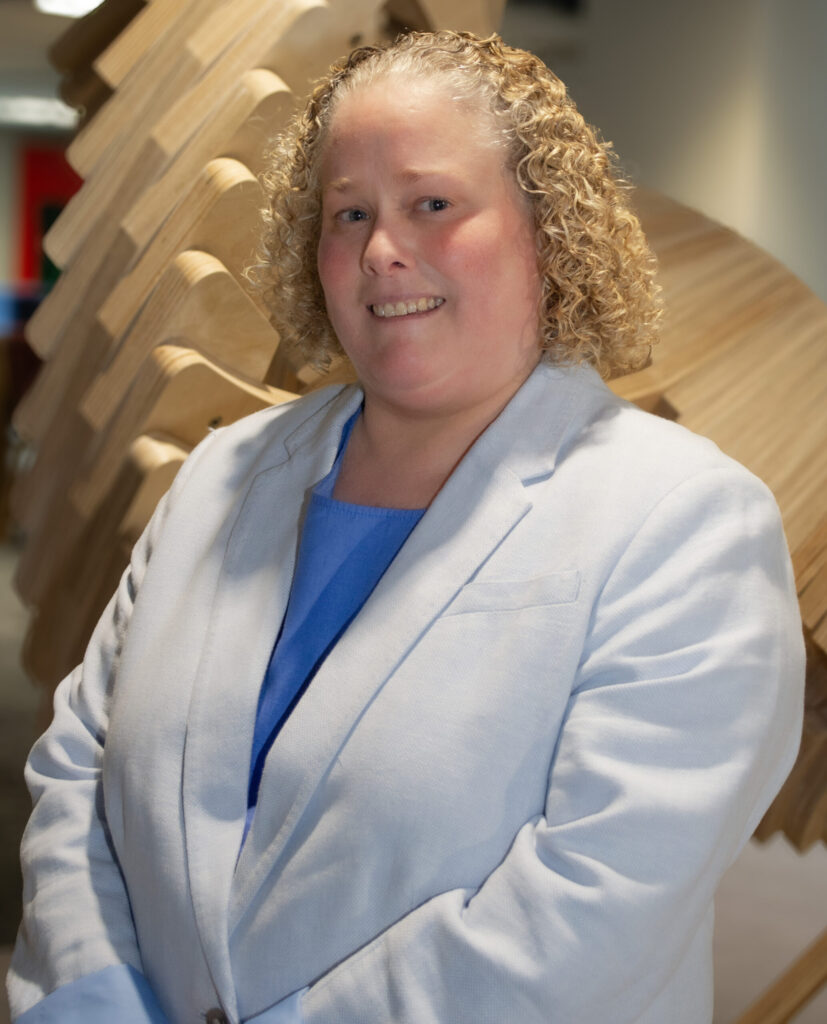
Dr Grubb says Stockholm syndrome is not a recognised mental health diagnosis, nor is it supported by strong scientific evidence, and there are no agreed criteria for diagnosing it.
“It is better understood as a popular label for behaviours that may occur during hostage-taking, kidnapping or abuse where the victim displays positive feelings, loyalty or emotion towards the person controlling or harming them,” said Dr Grubb.
“These behaviours can be very real, but calling them a syndrome can make an understandable and legitimate response to extreme danger seem irrational or abnormal.”
Behaviours linked to the term Stockholm Syndrome include showing loyalty or positive feelings towards an abuser or captor; distrusting the police, rescuers or other authorities; defending abusive behaviour; and not taking an apparent opportunity to escape a captivity situation.
Dr Grubb says these actions by the victims may make sense when viewed as attempts to survive or avoid serious harm.
“If forming a relationship with a captor helps someone receive food, water, warmth or medical care, or reduces the immediate risk of harm, the behaviour is not necessarily strange or contradictory,” she said.
“The behaviours that fall under the ‘umbrella’ of Stockholm Syndrome align with behaviours that, from an evolutionary perspective, serve to protect us from harm when presented with a risky or potentially harmful situation.
“Trying to please someone who controls whether you are harmed or killed can be a genuine and even sensible survival response. It may happen without conscious thought, but it can reduce tension and make a dangerous situation more bearable.”
Dr Grubb’s research focuses on communication during police hostage and crisis negotiations. She says some actions associated with Stockholm Syndrome are similar to techniques used by trained negotiators, such as listening carefully, building trust and creating a connection.
Dr Grubb said: “Police negotiators build a relationship with the person at the centre of a crisis because it can help them influence behaviour, reduce danger and reach a peaceful outcome.
“A captive may do something similar, either consciously or unconsciously. Appearing cooperative or building rapport may calm the perpetrator and reduce the risk of violence.”
Dr Grubb said the term Stockholm Syndrome can be especially harmful when applied to domestic abuse, coercive control, human trafficking or other long-term abusive relationships.
In these situations, staying with an abuser, downplaying their behaviour or resisting outside help may be understood by considering the victim’s trauma, fear, and the need to survive.
Dr Grubb said: “It is important that we do not simply ask, ‘Why didn’t the victim leave?’. We need to consider the risks, pressures and practical barriers they faced. An opportunity to escape may not feel safe or realistic to the person experiencing the abuse.
“Leaving can itself be extremely dangerous within the context of domestic abuse, with the risk of domestic homicide increasingly significantly when a victim-survivor attempts to or leaves a domestically abusive relationship. Isolation, threats, financial control and dependence can also severely limit someone’s choices.
“Using a label that sounds like a psychiatric diagnosis may increase shame or suggest that the survivor is responsible for an irrational attachment. A more compassionate approach asks what purpose the behaviour served and how it may have helped the person stay safe.”
Dr Grubb said ‘appeasement’ might be a more useful way describe how a person may appear emotionally close to an abuser while trying to calm them and adapt to a life-threatening situation. The approach recognises the behaviour as a survival strategy rather than evidence of a mysterious psychological disorder.
Dr Grubb added: “The most important question is not whether someone ‘has’ Stockholm Syndrome. It is how we help survivors recognise harmful circumstances, understand their responses without blame or judgement and provide the support they need.
“Bonding with, pleasing or defending someone who controls your safety does not necessarily show weakness or genuine affection. It may show that the person adapted their behaviour in the way they believed was most likely to keep them alive.
“Instead of treating survivors as abnormal, we should, therefore, recognise the complex effects of captivity and abuse and respond with understanding, care and compassion.”