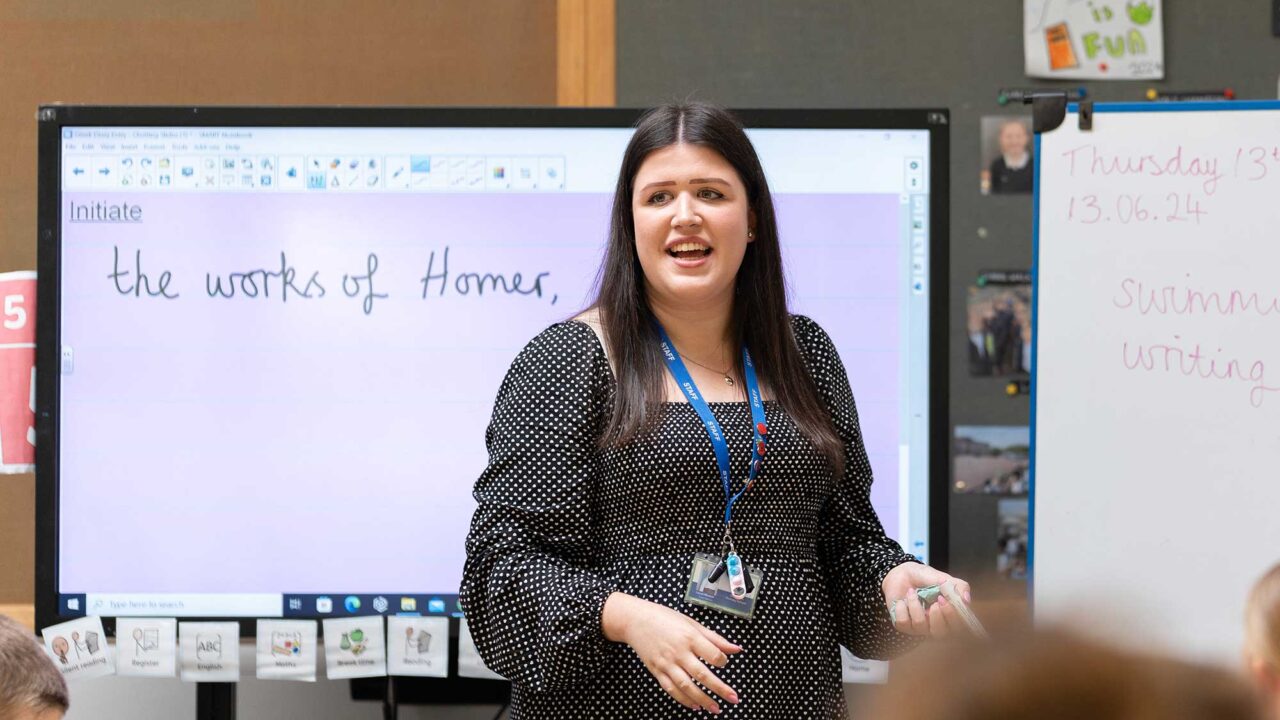
Top 20 in the UK for graduate prospects
Our education courses are ranked in in the top 20 in the UK for graduate prospects (on track) by the Complete University Guide 2025.

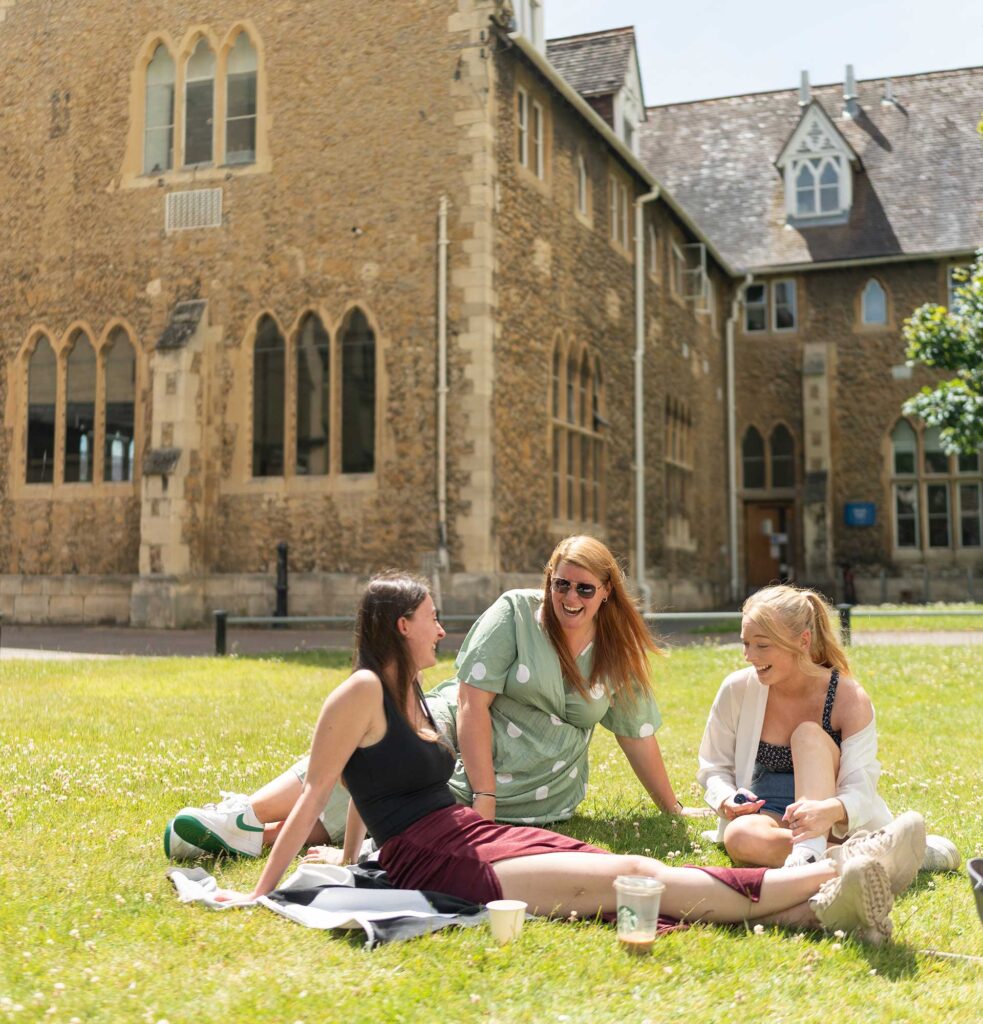
Join us on Saturday 17 October or Sunday 22 November to sit in on a course talk, meet your lecturers, tour the campus and accommodation, and get your questions answered by current students.
Viewing entry requirements and fees for: . Change course option

94% of our graduates are in work or further study*
If you’re not in a job 6 months after graduating, we’ll guarantee you 6 months of free support, followed by the offer of a paid internship. Plus, we’ll commit to lifetime career coaching. Eligibility conditions apply.
*Graduate Outcomes Survey published 2026 and based on 2023/24 leavers
You’ll have opportunities to gain valuable real-world experience through professional practice modules and work-based learning. These may take place in schools, early years settings, colleges, community organisations and other education-related contexts.
Work-based learning allows you to apply your knowledge in practice, develop professional confidence and explore potential career pathways. You’ll be supported in preparing for these experiences through guidance within the course and from Student Futures.
There is also the option to undertake a year-long placement, giving you the opportunity to gain sustained experience in a setting aligned to your interests and future goals.

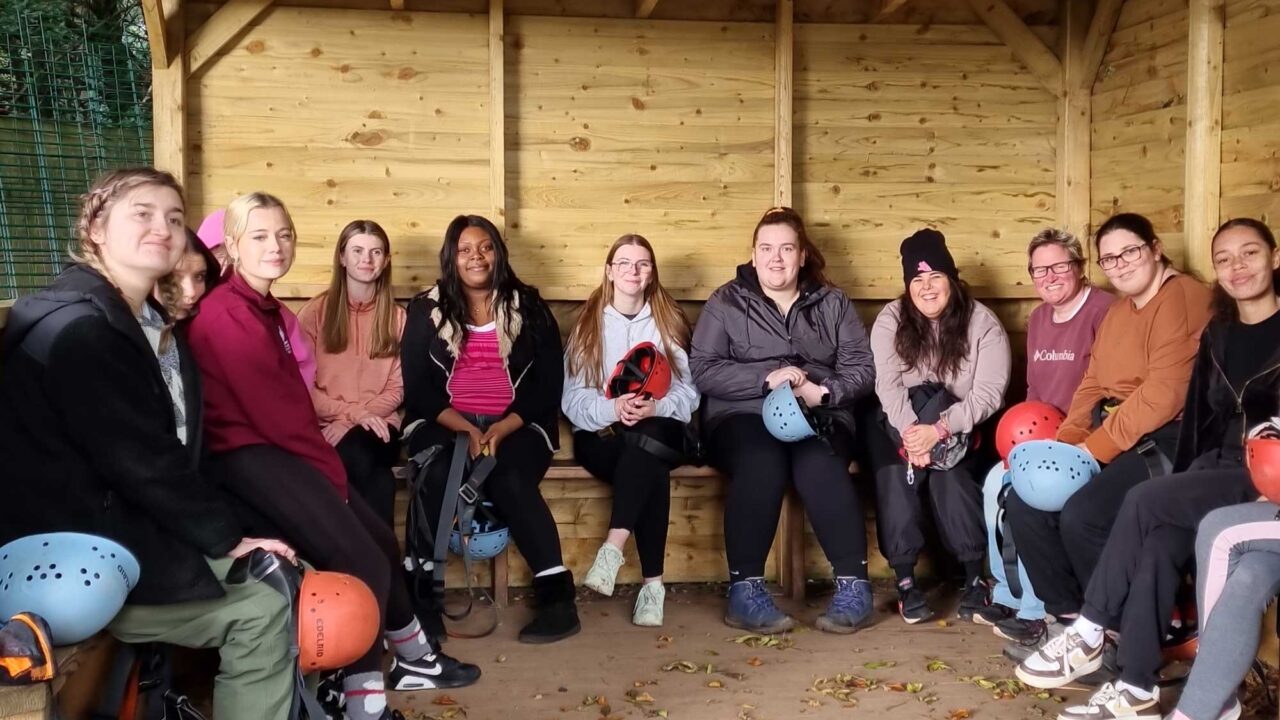
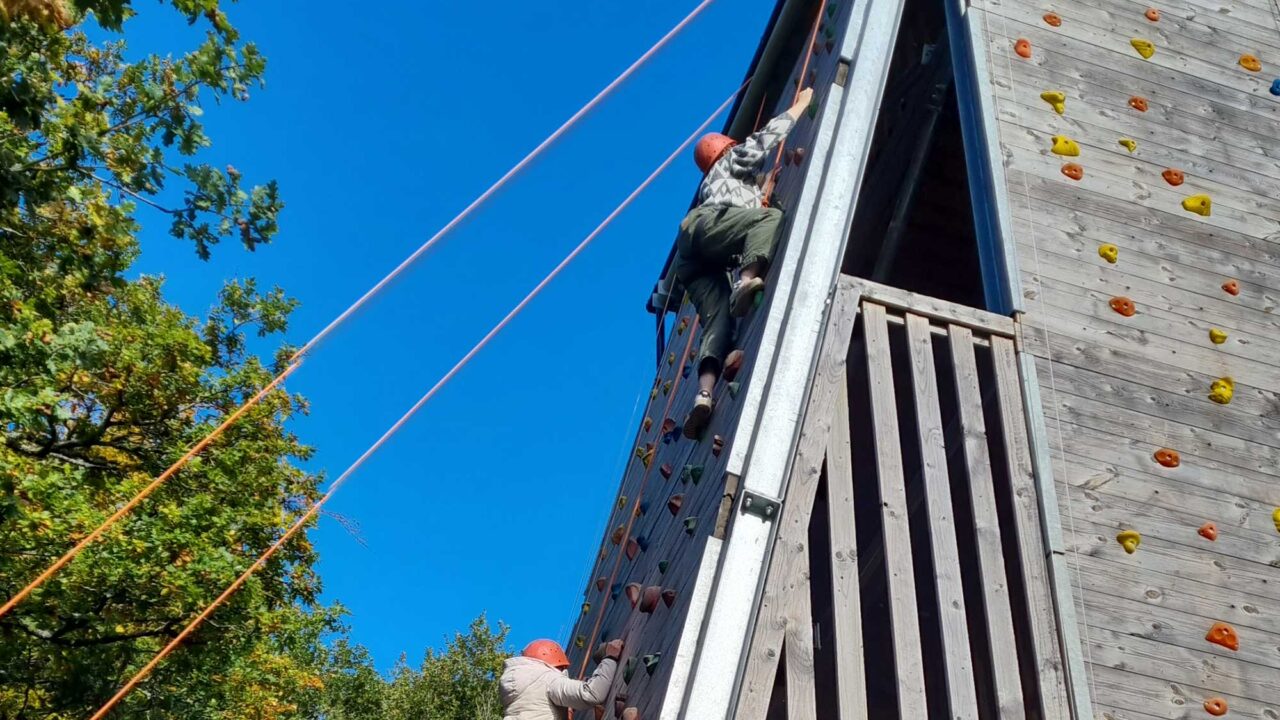
You’ll have opportunities to take part in trips that enhance your learning beyond the classroom. These include visits to outdoor education settings, where you’ll explore team-building and learning through experience, as well as activities that support your understanding of education in different environments.
During induction, you’ll also engage with the local context through visits to community and heritage sites in Gloucester, helping you understand the role of education within the city and its communities.
These experiences are designed to enrich your learning, build confidence and connect your studies to real-world contexts.
Throughout the course, you’ll take part in interactive and discussion-based learning that brings education to life. You’ll work with real-world case studies, engage with current issues and collaborate with peers to explore ideas and develop your understanding.
You’ll take part in group projects, presentations and applied tasks that reflect professional practice, helping you build confidence and teamwork skills. Opportunities to engage with guest speakers and practice-informed learning will deepen your understanding of education in different contexts.
Professional practice modules also offer opportunities to gain additional credentials, such as first aid and safeguarding, supporting your professional development alongside your academic studies.

Receive news of upcoming events and information about life at UoG.

Book your place at an open day or campus visit to get a feel for UoG.

Our step-by-step guide to the application process.
You’ll learn in modern, flexible teaching spaces at City Campus, designed to support discussion, collaboration and interactive learning.
Seminar-style teaching allows you to work closely with staff and peers, building confidence in sharing ideas and developing your understanding through dialogue and applied activities.

You’ll have opportunities to use the outdoor learning space at Oxstalls Campus, where you can explore learning beyond the classroom. This supports your understanding of outdoor and experiential approaches to education and how environment and context influence learning and development.

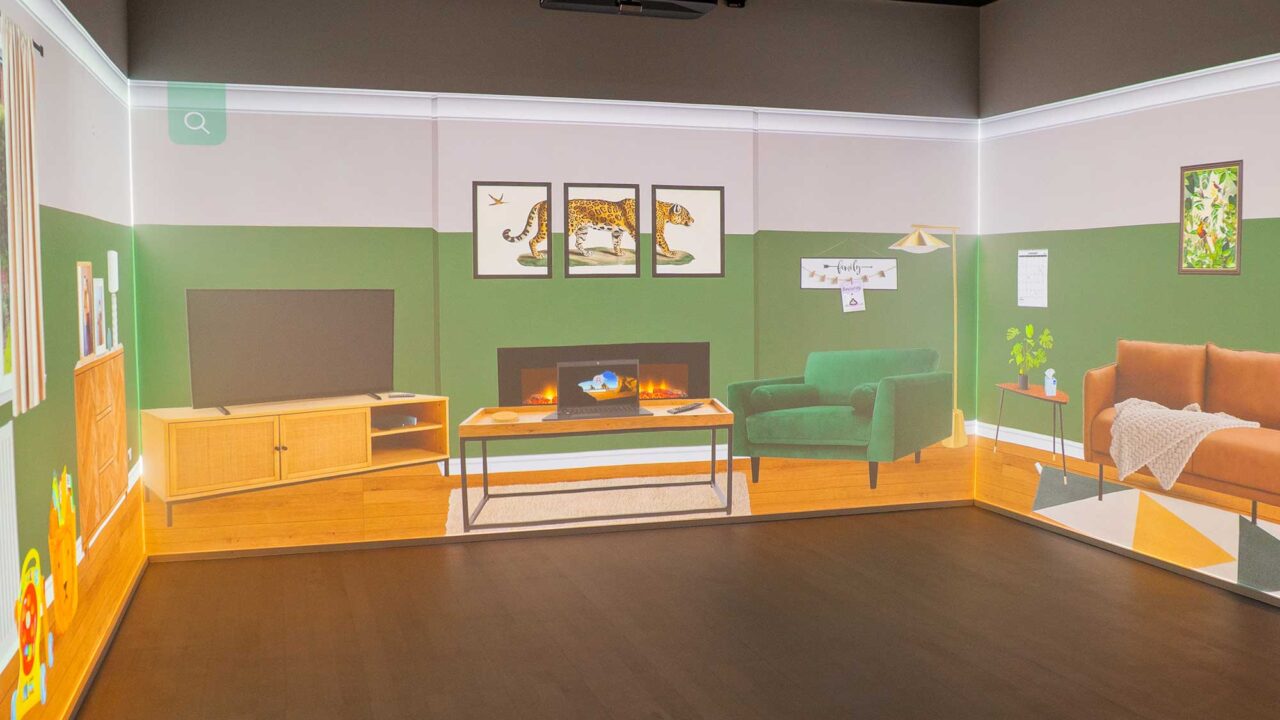
City Campus features immersive virtual reality facilities, including specialist headsets and a dedicated VR room. These resources support innovative, education-focused activities, allowing you to explore scenarios linked to inclusion, wellbeing and digital learning.
You’ll have access to extensive online and on-campus library resources, including books, journals and specialist education and psychology databases. Digital platforms and online learning tools support your learning, enabling access to materials, collaboration and feedback throughout your course.

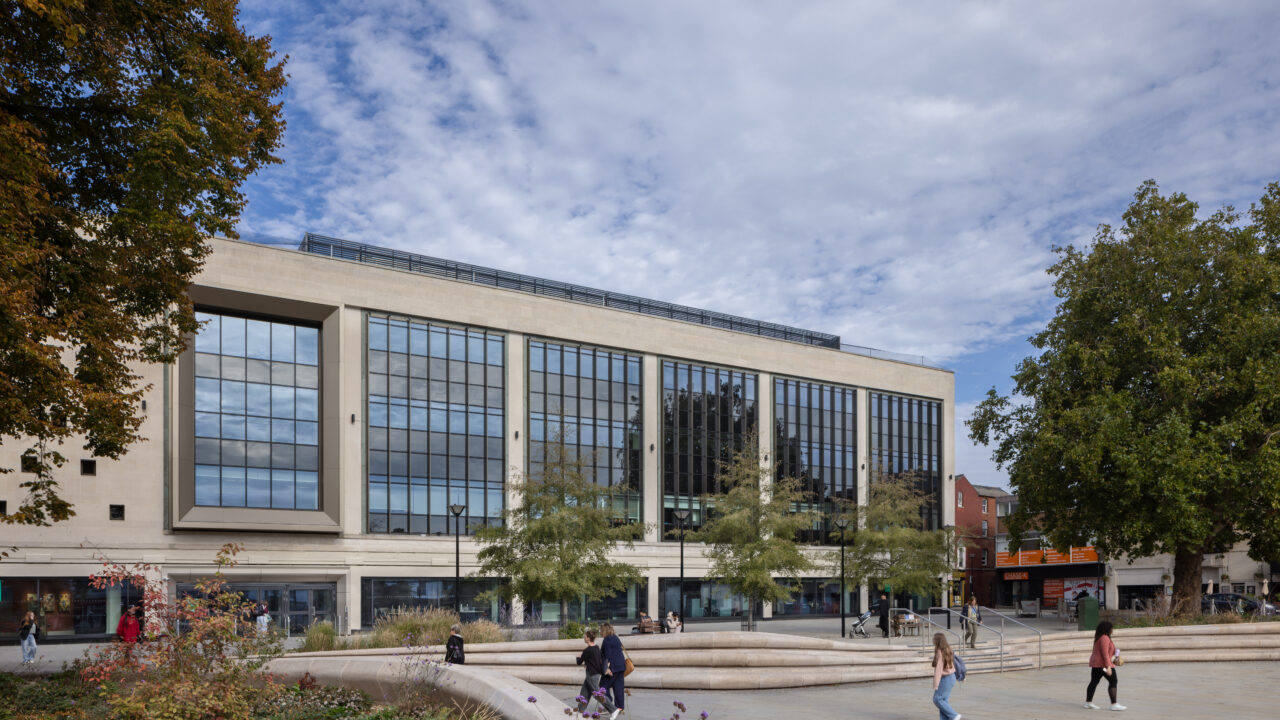
Based at City Campus in Gloucester, you’ll study in a newly-developed, purpose-designed environment at the heart of the city. The campus supports collaboration, innovation and professional learning, connecting your studies to real-world contexts.
Discover stories from our students and graduates.
University isn’t all about studying, it’s important to make the most of student life and have fun too.
There’s lots going on outside of lectures for you to get involved in, from sports to societies in our Students’ Union.
Varsity takes place each year against local rivals University of Worcester, it’s easy to get involved – you can compete, coach or support UoG.
With 500 bars, clubs and pubs, plus easy access to beautiful countryside, Gloucestershire is a vibrant county with lots happening across Cheltenham and Gloucester.

You’ll be taught by an experienced and research-informed team with backgrounds across education, psychology, inclusion, sustainability and digital learning. Our staff bring a wide range of professional experience, including work in schools, early years, further and higher education, community and youth settings, and international education projects.
Teaching is informed by current research and practice, with expertise spanning areas such as inclusive education, SEND, mental health and wellbeing, education for sustainable development, digital learning and global education. Members of the team are actively engaged in research and knowledge exchange, contributing to national and international projects and partnerships.
Fill in the form below and we’ll be in touch with course updates, upcoming events and everything you need to know about university life.

