1st in the UK for teaching satisfaction
Our history courses are ranked 1st in the UK for teaching satisfaction by The Guardian University Guide 2027.




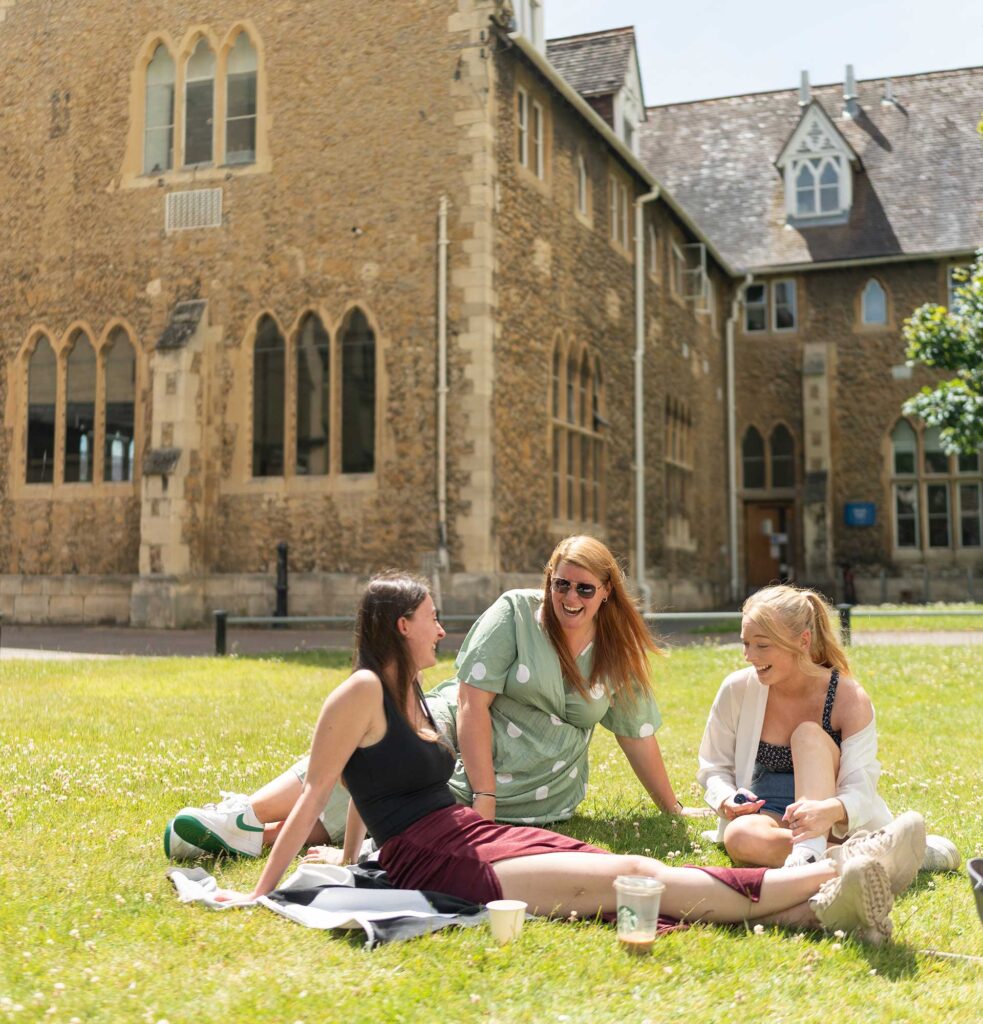
Join us on Sunday 22 November to sit in on a course talk, meet your lecturers, tour the campus and accommodation, and get your questions answered by current students.
Viewing entry requirements and fees for: . Change course option
The Diaries of Denis Gibbs: A British officer in WWII
This project presents an examination of the private diaries of Denis Gibbs, a British Officer in the Royal Corps of Signals in WWII, and features a short film. The never-before-seen diaries were given to the History department at University of Gloucestershire by Denis’ son, Peter Gibbs. They were discovered after Denis’ death in 2020, and provide a fascinating insight into an individual’s experiences of war.
History students David Morgan, Layla Harrison and Aimee Dorrington produced this film as part of their work for the Cotswold Centre for History & Heritage.
 Privacy NoticeBy clicking play, you agree to load content from YouTube, which may collect data about your visit. YouTube's privacy policy applies.

You’ll join a thriving collaborative community at Francis Close Hall in Cheltenham.
All of the essential course materials are provided physically and digitally in our library at Francis Close Hall, which also has dedicated study spaces, groups study rooms and necessary technology.

As part of their studies, students are provided with access to conduct research and gain experience at Gloucestershire Archives in Gloucester, one of the largest regional archives in the UK.

Receive news of upcoming events and information about life at UoG.

Book your place at an open day or campus visit to get a feel for UoG.

Our step-by-step guide to the application process.
Joining the School of Arts, Culture and Environment means that you’re joining a wider community of creative sector partners and collaborators.
You’ll be given the opportunity to conduct a career-related placement in your second year. These can be more history-related, such as working in local museums, archives or heritage organisations, such as Kelly did at The Folk of Gloucester.
Placements can also be in other areas that demonstrate the transferrable skills of a History degree, such as Charlotte who conducted her placement in a marketing and PR company.

As well history in class, students have the opportunity to go on a couple of extracurricular day trips per year with their tutors. Past trips have included the American Museum in Bath, Dyrham Park, Oxford, the Black Country Living Museum, and London.
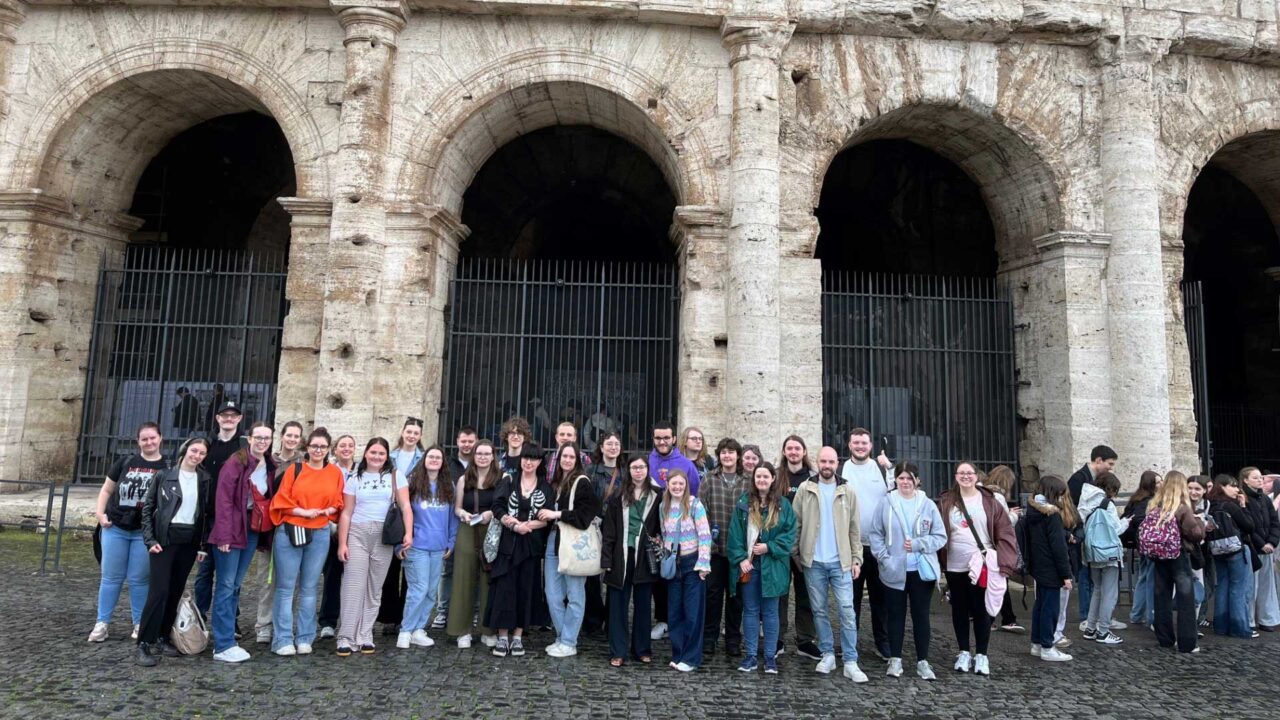
Students have also been on international field trips, including a week visiting the incredibly rich history of places such as Rome, Naples and Pompeii. Read about the latest trip.
Follow us on social for the very latest course news and updates.
Fill in the form below and we’ll be in touch with course updates, upcoming events and everything you need to know about university life.