Skip to content
University of Gloucestershire
Undergraduate

Journalism and Communications (Level 6)

BA (Hons)
Clearing Places available

Course options

Choose a study option:
Choose a start date:
Study type
Full Time
Course length
1 Years
Campus
Park, Cheltenham
UCAS Code
P503
Textured scratch overlay.
Wanted: Journalists

Why choose UoG?

Fast-track your future with a BA (Hons) in just one year, gaining hands-on media experience, industry connections and the skills required to launch your career in journalism and communications.


If you’ve completed a foundation degree, HND or Diploma of Higher Education and want to convert it into a full honours degree, this top-up course is your next step. 

Our Communications & Media programme is ranked 2nd in the UK for graduate prospects and 3rd for student satisfaction (Complete University Guide 2026) – and it’s designed to prepare you for a successful, dynamic career in media, journalism or communications. 

You’ll build on your existing knowledge and gain advanced practical skills in journalism, content creation, PR, and digital media. Our teaching team brings real-world experience from organisations like the BBC, ITV, The Athletic, The Sunday Times, and Bauer Media, giving you access to current industry insights and professional networks. 

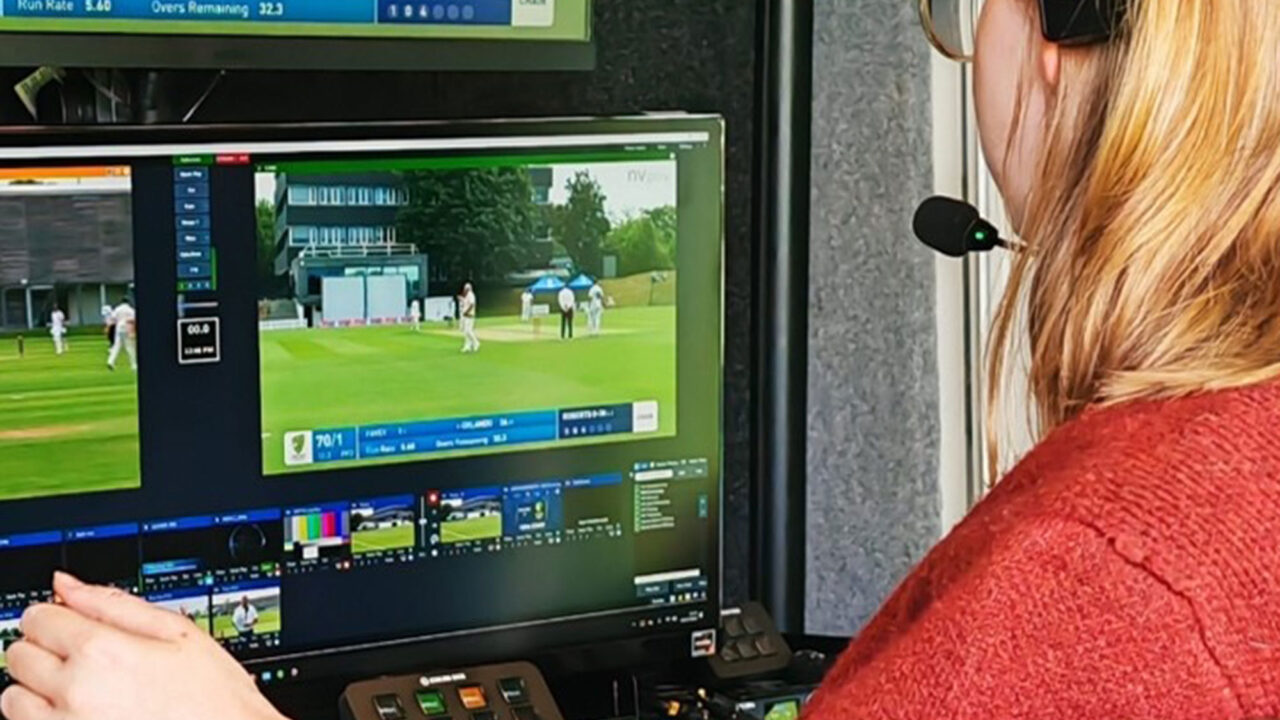
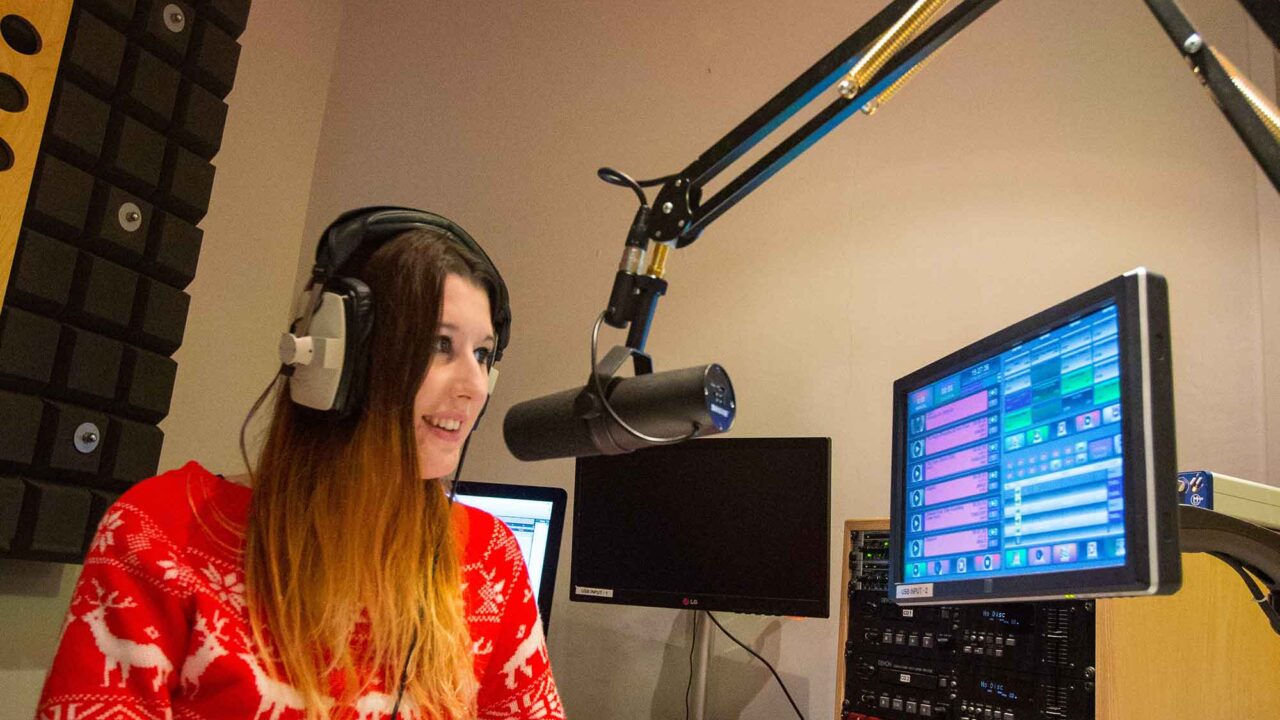
This is a highly practical course that focuses on making you work-ready. You’ll learn to produce engaging content across multiple platforms using our state-of-the-art studios and equipment. A work placement – or series of placements – is also built into the course to help you gain valuable industry experience and boost your CV. 

Graduates from our journalism and media community have gone on to work for Sky, the BBC, ITV, The Telegraph, Vice, top PR and comms agencies, and major sports clubs. 

You’ll be taught through a mix of lectures, seminars, workshops and one-to-one tutorials. Assessment is based on practical projects, portfolios, essays and coursework – there are no exams

You’ll develop your professional skills in a collaborative environment that mirrors the fast-paced media industry, giving you the confidence to step straight into your chosen career.  

You’ll work on live media projects, build a polished digital portfolio, interview training and complete industry placements, giving you practical experience and employer-ready skills. Many of our graduates go straight into roles with Sky, BBC, ITV, The Telegraph, and top PR agencies.

Textured scratch overlay.

Ranked 1st in the UK for career prospects

Our journalism courses are ranked 1st in the UK for career prospects by the Guardian University Guide 2025.

Ranked 2nd in the UK for graduate prospects

Our communications & media studies courses are ranked 2nd in the UK for graduate prospects by the Complete University Guide 2026.

Ranked 3rd in the UK for student satisfaction

Our communications & media Studies courses are ranked 3rd in the UK for student satisfaction by the Complete University Guide 2026.

Ranked 2nd in the UK for student satisfaction

Our communications & media Studies courses are ranked 2nd in the UK for student satisfaction by the Complete University Guide 2025.

Ranked 5th in the UK for teaching satisfaction

Our journalism courses are ranked 5th in the UK for teaching satisfaction by the Guardian University Guide 2025.

Ranked 1st in the UK for career prospects

Our journalism courses are ranked 1st in the UK for career prospects by the Guardian University Guide 2025.

Ranked 2nd in the UK for graduate prospects

Our communications & media studies courses are ranked 2nd in the UK for graduate prospects by the Complete University Guide 2026.

Ranked 3rd in the UK for student satisfaction

Our communications & media Studies courses are ranked 3rd in the UK for student satisfaction by the Complete University Guide 2026.

Ranked 2nd in the UK for student satisfaction

Our communications & media Studies courses are ranked 2nd in the UK for student satisfaction by the Complete University Guide 2025.

Ranked 5th in the UK for teaching satisfaction

Our journalism courses are ranked 5th in the UK for teaching satisfaction by the Guardian University Guide 2025.

Viewing entry requirements and fees for: . Change course option

Entry Requirements

Applicants should possess an HND, Diploma of Higher Education or Foundation degree in a relevant subject.

GCSE in English Lang/Lit and Maths at grade 4/C or above are usually required.

Unsure if we could offer you a place? Check out the UCAS tariff calculator or contact our admissions team if you have any questions.

We welcome students from all over the world to study our foundation, undergraduate and postgraduate courses.

View entry requirements for your country:

You must also meet our English language requirements, such as IELTS or an equivalent test.

If you need to improve your English before starting your course, we offer pre-sessional English programmes delivered online by our trusted partner, Study Group.


If you can’t find the entry requirements for your country or have any questions, please email [email protected] or call us on +44 (0) 3330 141414.

Fees and costs

Start date
Tuition fees

The above fees apply to your first year of study only, and will increase for subsequent years. View our undergraduate tuition fees for further information.

Additional costs

Your tuition fees cover most costs related to your course, but you may need to budget for some additional costs.

These can include items such as specialist equipment, materials for projects, professional memberships, field trips or placements. You may also have everyday costs as a student, like printing, books and stationery.

To help you plan ahead and make the most of your money, explore our Budgeting at uni guide for practical advice and support.

Start date
Tuition fees

The above fees apply to your first year of study only, and will increase for subsequent years. View our undergraduate tuition fees for further information.

Additional costs

Your tuition fees cover most costs related to your course, but you may need to budget for some additional costs.

These can include items such as specialist equipment, materials for projects, professional memberships, field trips or placements. You may also have everyday costs as a student, like printing, books and stationery.

To help you plan ahead and make the most of your money, explore our Budgeting at uni guide for practical advice and support.

Student work

We don’t study journalism, we do it.

Privacy Notice

By clicking play, you agree to load content from YouTube, which may collect data about your visit. YouTube’s privacy policy applies.

Teaching staff

Learn from experienced industry professionals with extensive backgrounds in broadcast and digital journalism, PR and strategic communications. Their expertise spans the BBC, national radio, leading PR agencies, social media and digital marketing, bringing current industry insight and valuable professional connections into the classroom.

Student stories

Facilities

Next steps

Students working on computers together.

Register for updates

Receive news of upcoming events and information about life at UoG.

Students with hands raised in a celebratory way at Park Campus.

Visit us

Book your place at an open day or campus visit to get a feel for UoG.

How to apply

Our step-by-step guide to the application process.

Connections

Joining the School of Arts, Culture and Environment means that you’re joining a wider community of creative sector partners and collaborators.
The National Council for the Training of Journalists (NCTJ)

At the same time as studying for the BA Honours Degree, students work on their NCTJ Diploma. We have an industry advisor from Reach who supports students and tutors across the three years.

BBC News

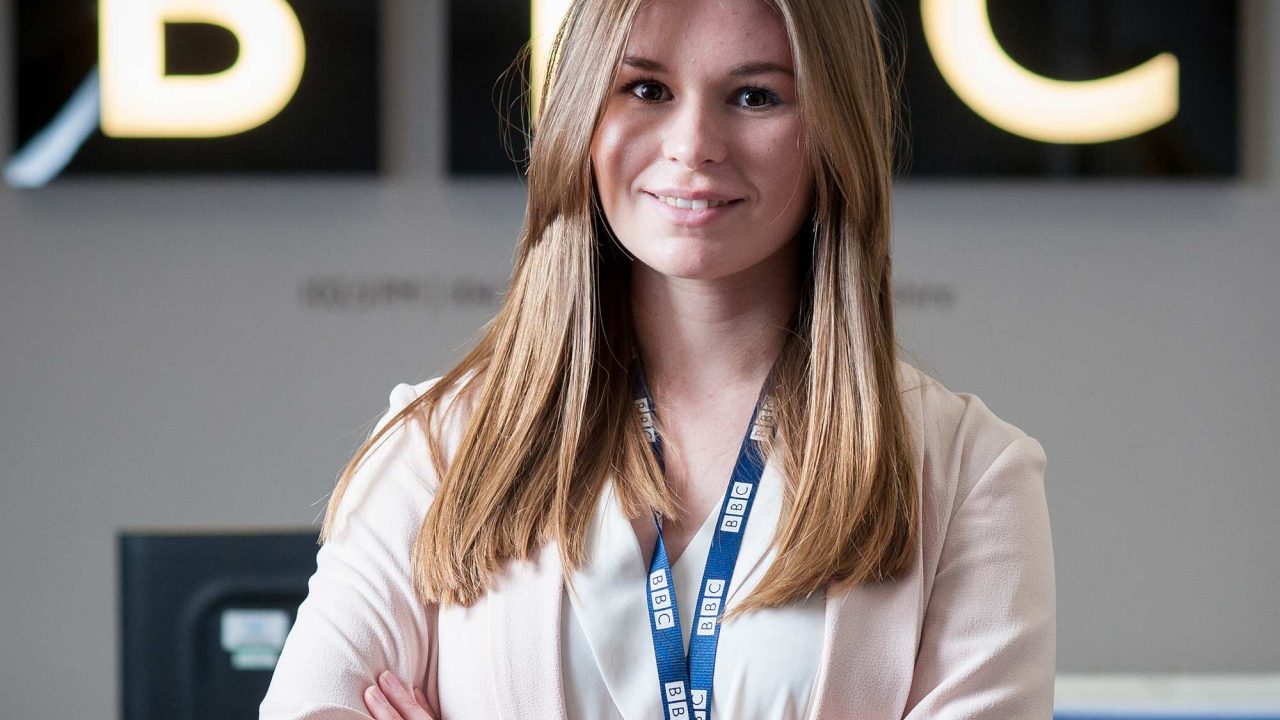
We have excellent contacts with BBC TV, Radio, Online and social media teams. BBC staff help bring lectures to life. If you’re learning about how to be an investigative journalist, for example, you’ll hear from a guest lecturer from Panorama as well as staff from the national investigations multiplatform team.

The National Council for the Training of Journalists (NCTJ)

At the same time as studying for the BA Honours Degree, students work on their NCTJ Diploma. We have an industry advisor from Reach who supports students and tutors across the three years.

BBC News

We have excellent contacts with BBC TV, Radio, Online and social media teams. BBC staff help bring lectures to life. If you’re learning about how to be an investigative journalist, for example, you’ll hear from a guest lecturer from Panorama as well as staff from the national investigations multiplatform team.

More to explore

Clearing VIP

Your chance to receive an early bird offer and win a FREE year of accommodation in halls or one of 5 Cineworld Unlimited cards.

Related courses

Follow us on social

Follow us on social for the very latest course news and updates.