Skip to content
University of Gloucestershire
Undergraduate

Photography

BA (Hons)

Course options

Choose a study option:
Choose a start date:
Study type
Full Time
Course length
3 Years
Campus
Park, Cheltenham
UCAS Code
W646
Textured scratch overlay.
Wanted: Photographers

Why choose UoG?

With hands-on projects, live briefs and industry placements, you’ll learn from professional, working photographers and get published worldwide as you build an eye-catching portfolio.

Explore photography. Develop your own point of view. Put your work in front of an audience.  

Use photography as a way to interpret how you see the world, develop ideas and create work with your own unique point of view.

Across portraiture, fine art and experimental image-making, you’ll test approaches, build skills and shape a photographic practice around the subjects and questions that matter to you. 

You’ll learn alongside a community of photographers, artists and makers on our Creative Campus. Practical projects and critical discussion will help you make purposeful work, while visiting practitioners introduce you to a range of professional perspectives. A placement will give you experience of applying your skills in a professional context. 

As your practice develops, you’ll make your own photobook and curate a virtual exhibition. Every student can also exhibit their work in London. You’ll graduate with a strong portfolio, experience of presenting your work and a clear direction for your next steps in photography and the wider creative industries. 

Your learning is hands-on and built around making. Through practical assignments, you’ll explore photographic methods, test ideas and develop images from early experiments through to resolved work. Tutor guidance, discussion and feedback will help you reflect on your decisions and strengthen your work as it develops. 

You’ll consider how photographs communicate and how choices of subject, process and presentation shape meaning. Sharing work in progress and discussing different approaches will help you learn from others, explain your decisions and respond to feedback. 

As you progress, you’ll take increasing responsibility for setting the direction of your projects and deciding how to develop and present your work. Visiting practitioners and an opportunity to complete a placement will connect your learning with professional practice and introduce you to different ways of working across the creative industries. 

This course is available to study with an integrated foundation year. If you don’t meet the stated entry requirements or you’re returning to education, it could be a great option that enables you to study this course. Select the ‘With foundation year’ study type from the options at the top of this page to apply.  

Graduates have progressed into freelance photography and a range of roles across the creative industries. Students have been shortlisted for awards including Saatchi New Sensation, the BJP Award, Jerwood Photoworks, Foam, the Deutsche Börse Photography Foundation Prize and the AOP Student Awards. 

You can pursue a placement linked to your interests. Previous students have undertaken placements with organisations such as the BBC and Superdry. The course’s links with the Martin Parr Foundation, the Association of Photographers, Arnolfini and the Royal Photographic Society offer opportunities to engage with professional networks and organisations. 

Authentic assessment briefs, competitions and opportunities to publish and exhibit your work help you develop and present your practice. Every student has the opportunity to exhibit in London, where employers often attend and freelance opportunities can emerge. Graduates may pursue freelance or employed work as photographers and artists, or move into areas such as publishing, galleries, image editing, teaching or further study. 

Please note: This course is ‘subject to validation’ which means it is going through the final stages of approval, and module information isn’t currently available. Courses do normally get approved, but if for any reason this course does not, applicants will be informed and helped to find a suitable alternative.

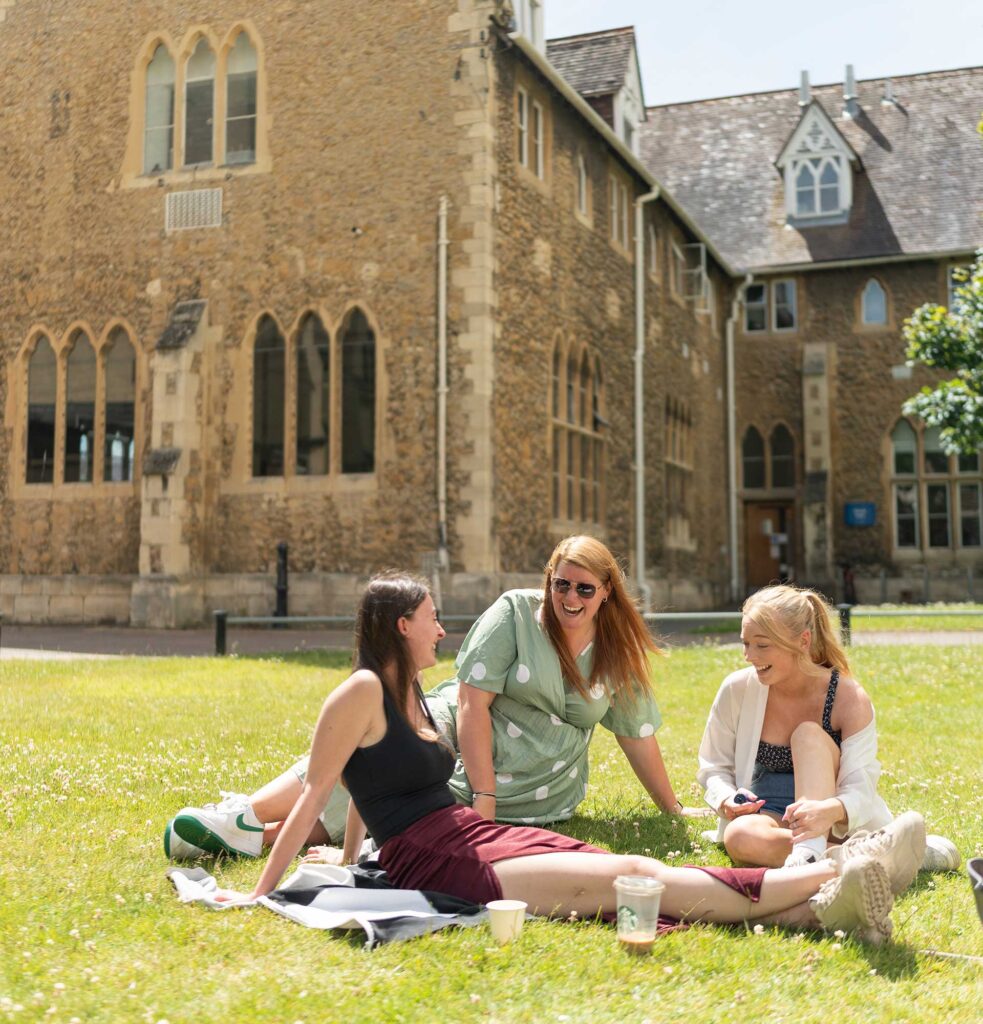
Three students sitting on the Chapel lawn on FCH campus, with the Chapel in the background. The sun is shining and they're smiling and laughing.
Textured scratch overlay.

93% Teaching Satisfaction – NSS, 2026

Our Photography (Documentary Photojournalism) BA (Hons) course scored 93% for teaching satisfaction in the National Student Survey 2026.


93% Teaching Satisfaction – NSS, 2026

Our Photography (Documentary Photojournalism) BA (Hons) course scored 93% for teaching satisfaction in the National Student Survey 2026.

Viewing entry requirements and fees for: . Change course option

Entry Requirements

96 – 120 UCAS tariff points

Your grades are just one part of your story, which is why at UoG we accept any grades from any combination of level 3 qualifications.

A-level
CCC – BBB
BTEC
MMM – DDM
T-level
Pass

Here’s an example of how 96 – 120 UCAS tariff points might look for some common level 3 qualifications.

GCSE in English Lang/Lit and Maths at grade 4/C or above are usually required.

Unsure if we could offer you a place? Check out the UCAS tariff calculator or contact our admissions team if you have any questions.

We welcome students from all over the world to study our foundation, undergraduate and postgraduate courses.

View entry requirements for your country:

You must also meet our English language requirements, such as IELTS or an equivalent test.

If you need to improve your English before starting your course, we offer pre-sessional English programmes delivered online by our trusted partner, Study Group.


If you can’t find the entry requirements for your country or have any questions, please email [email protected] or call us on +44 (0) 3330 141414.

Fees and costs

Start date
Tuition fees

The above fees apply to your first year of study only, and will increase for subsequent years. View our undergraduate tuition fees for further information.

Additional costs

Your tuition fees cover most costs related to your course, but you may need to budget for some additional costs.

These can include items such as specialist equipment, materials for projects, professional memberships, field trips or placements. You may also have everyday costs as a student, like printing, books and stationery.

To help you plan ahead and make the most of your money, explore our Budgeting at uni guide for practical advice and support.

Student work

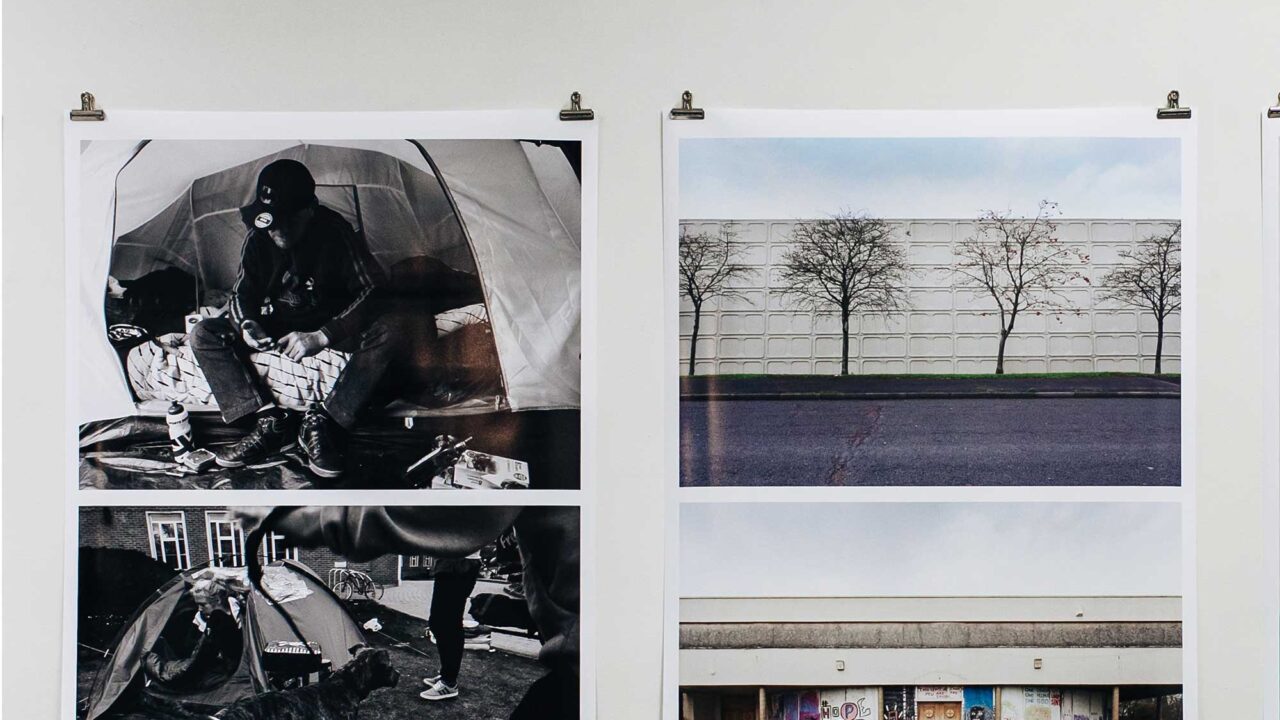
Take a look at some of our students’ project work.

Teaching staff

Teaching staff on the course are all active, working photographers in their own right, who have worked or currently work with the likes of The Guardian, Getty Images, The Press Association and Time Magazine. 

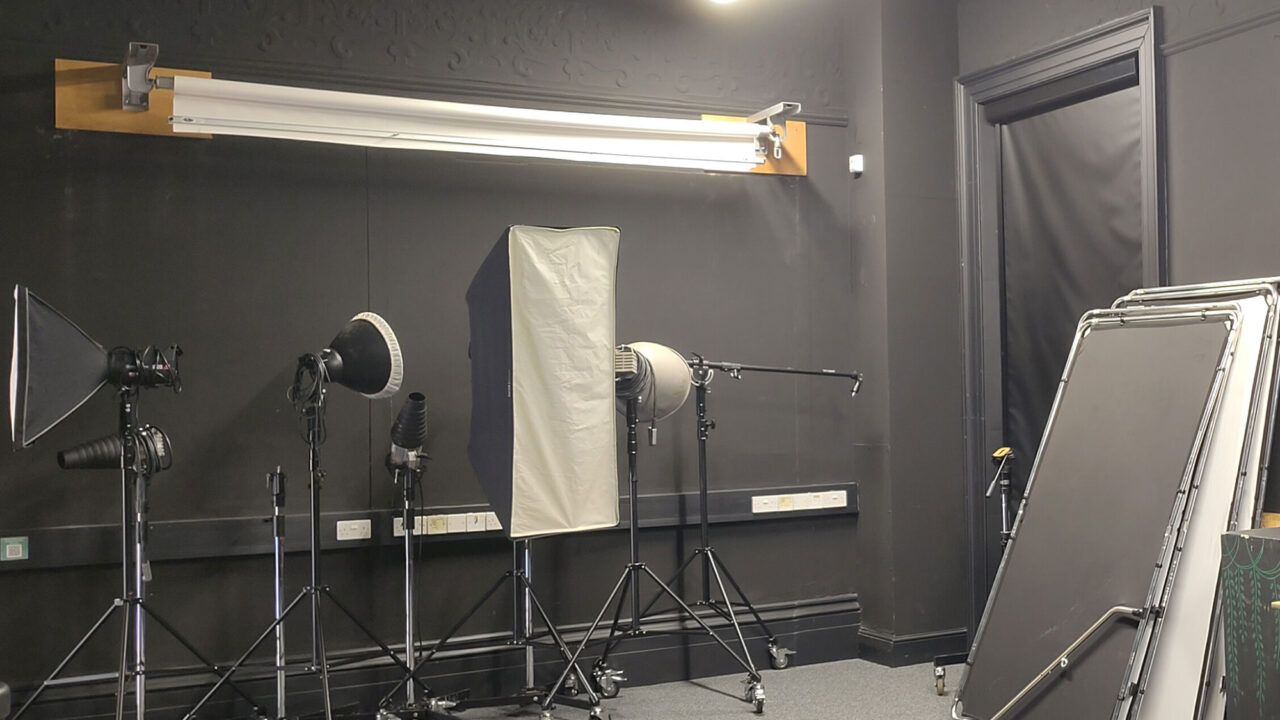
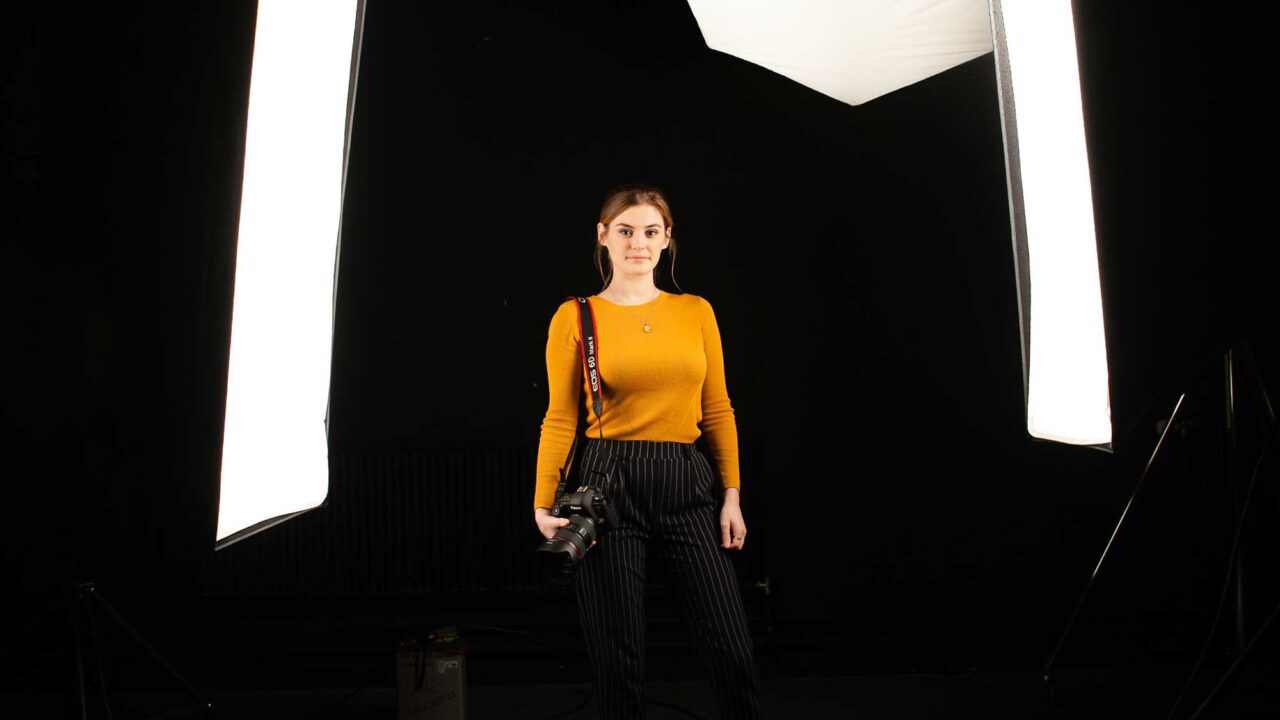
Student on Photography course taking photographs in studio at Hardwick
Student stories

Facilities

Next steps

Students working on computers together.

Register for updates

Receive news of upcoming events and information about life at UoG.

Students with hands raised in a celebratory way at Park Campus.

Visit us

Book your place at an open day or campus visit to get a feel for UoG.

How to apply

Our step-by-step guide to the application process.

Connections

Joining the School of Arts, Culture and Environment means that you’re joining a wider community of creative sector partners and collaborators.

Association of Photographers

This degree holds accreditation by the AOP. The Association’s aims are to protect, promote and inspire the worth and standing of its members within the commercial photographic industry. Their mission is to protect, promote and inspire the worth and standing of members within the commercial photographic industry including on an educational basis.

More to explore

Related courses

Follow us on social

Follow us on social for the very latest course news and updates.