Top 20 in the UK for career prospects
Our animation and games design courses are ranked top 20 in the UK for career prospects by The Guardian University Guide 2027.


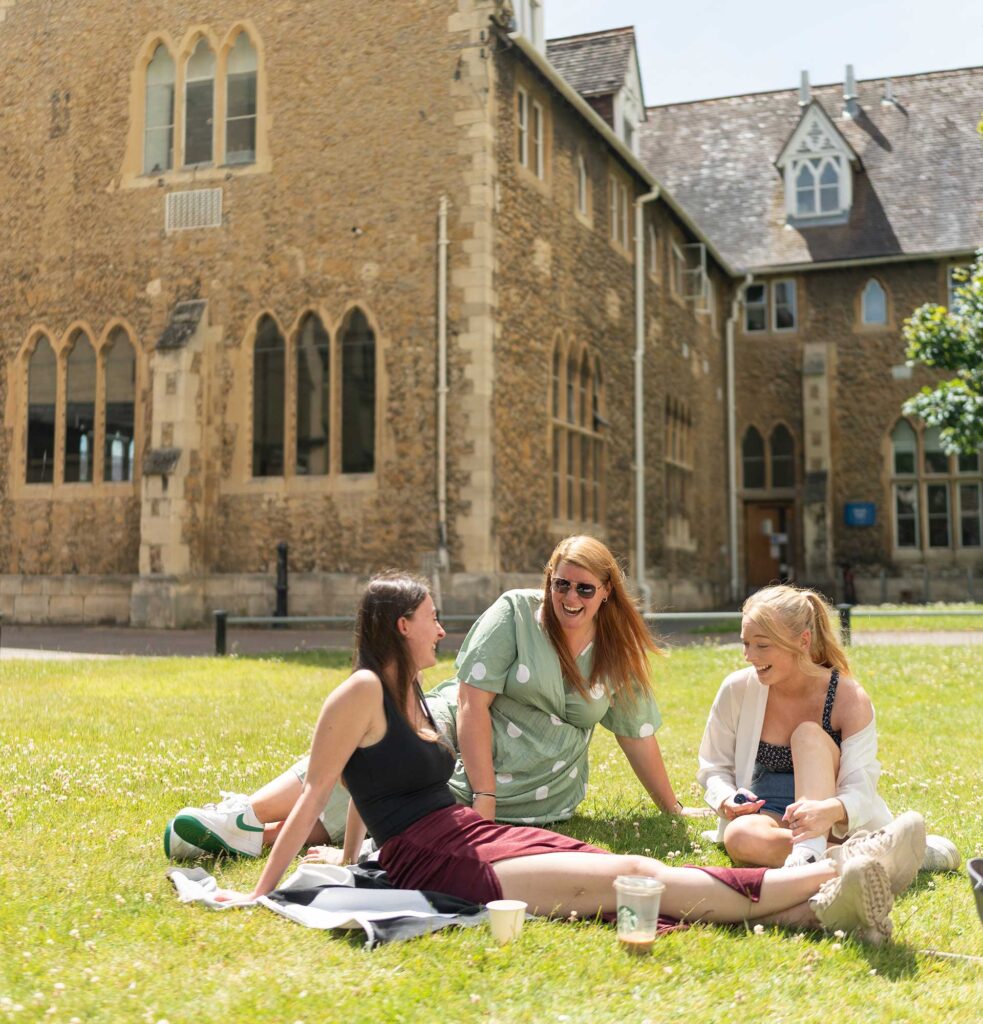
Join us on Saturday 17 October or Sunday 22 November to sit in on a course talk, meet your lecturers, tour the campus and accommodation, and get your questions answered by current students.
Viewing entry requirements and fees for: . Change course option
See a selection of our talented students’ work in the showreel below.

The academic team blends indie development, accessibility innovation, and technical production expertise. June brings hands-on industry experience, community leadership, and a background in assistive technology.
Daryl contributes deep knowledge of gameplay programming, Unity development, and client-focused project work. Together, they offer students real-world insight, practical skills, and strong professional support networks.
You’ll join a thriving creative community at Park Campus in Cheltenham.
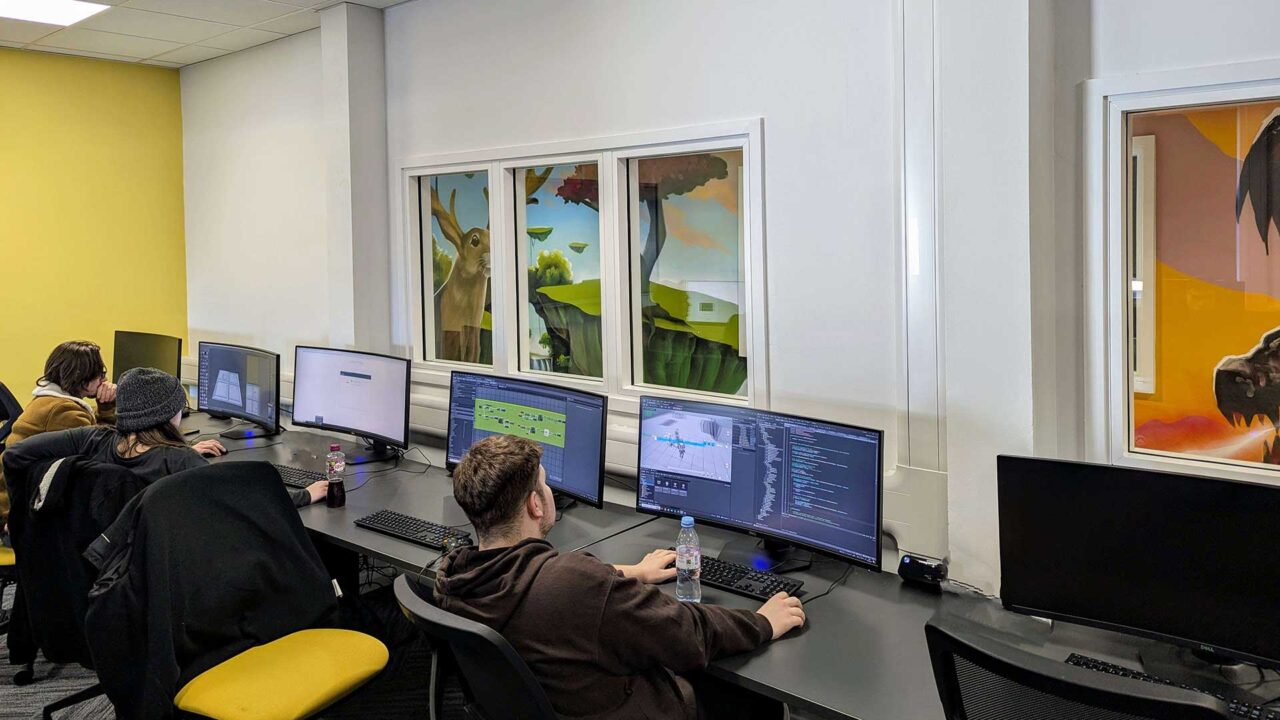
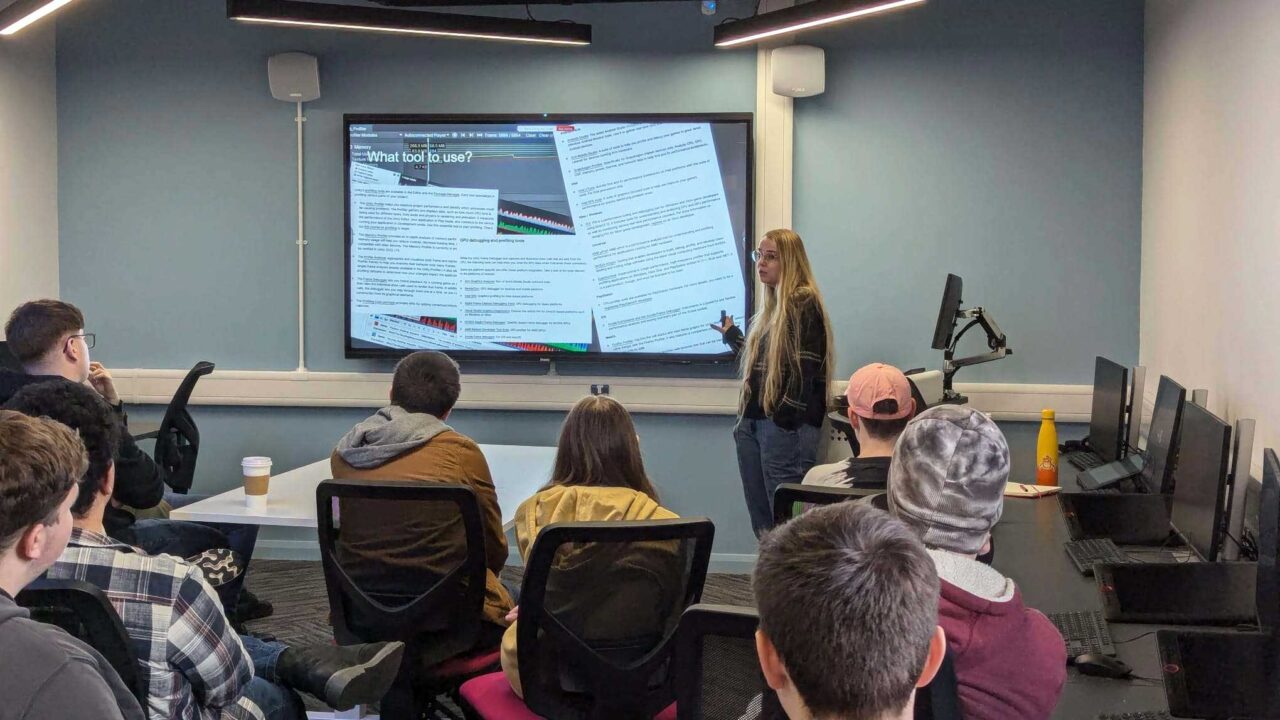
You’ll have access to 4 new Games PC labs on Park Campus, fitted with RTX 4060 graphics cards, 64GB RAM, I9 processors and 34” curved monitors, loaded with industry-standard software and ready for your projects.
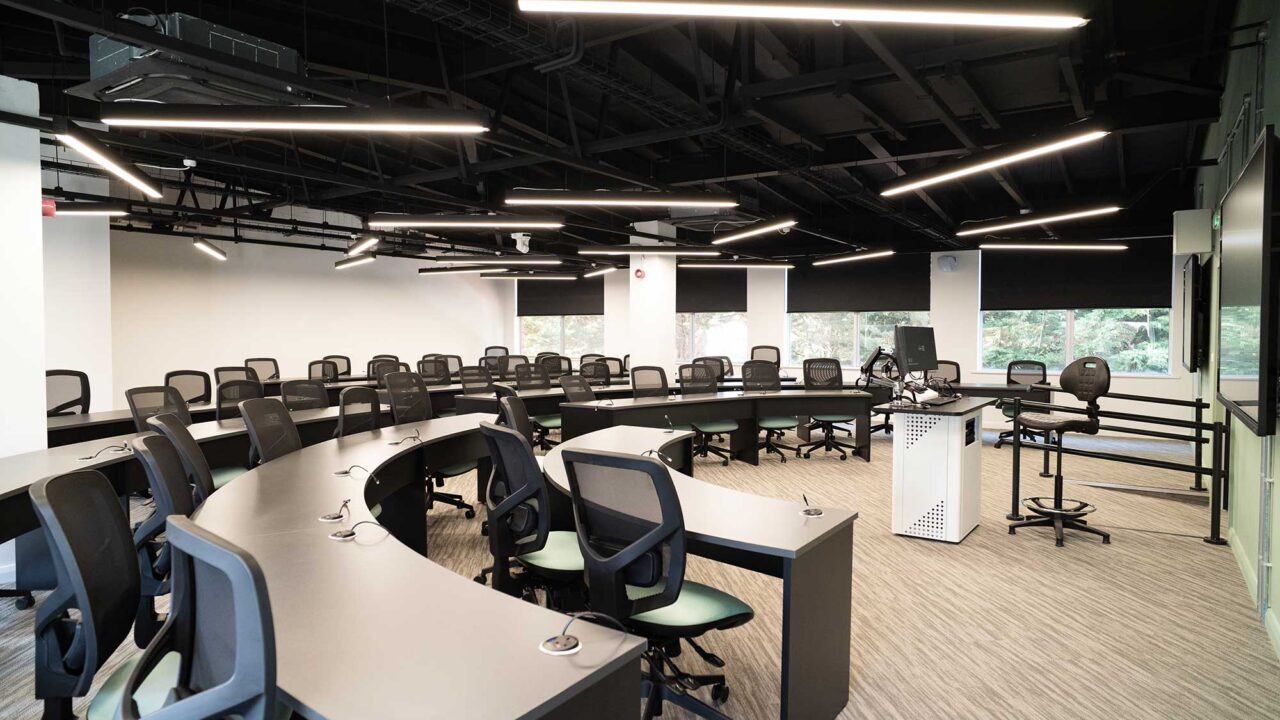
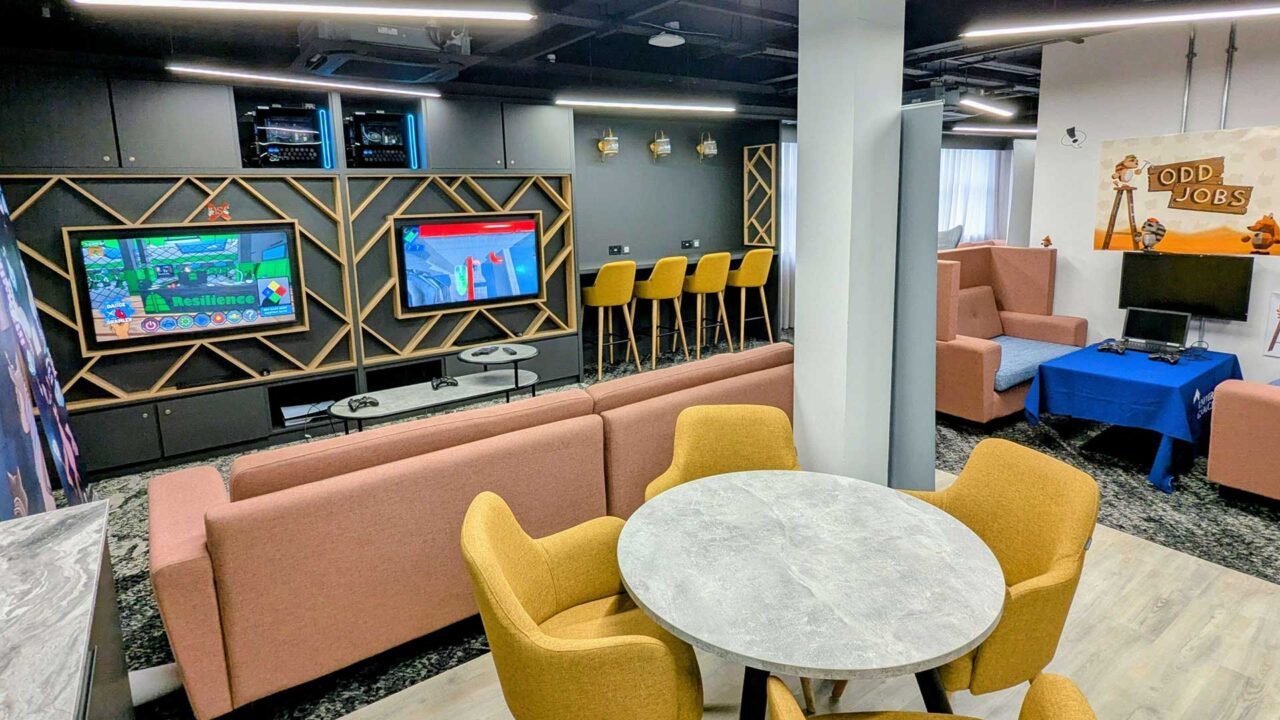
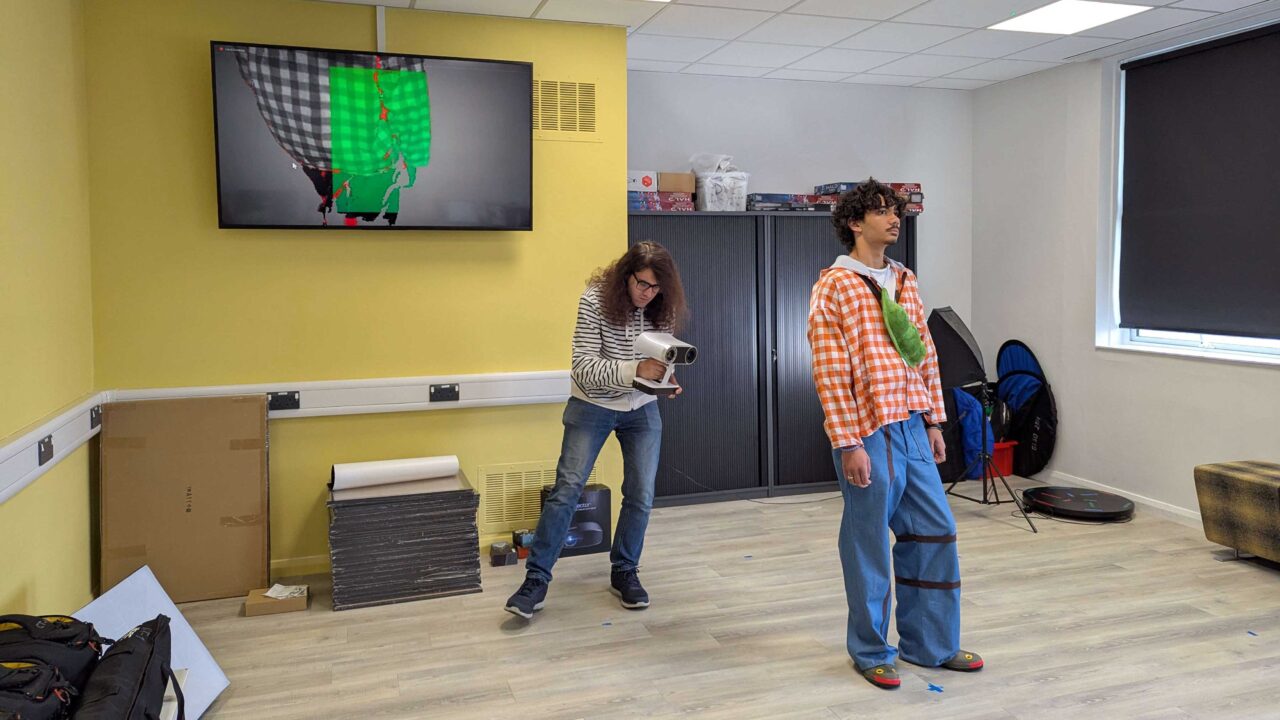
Benefit from the latest technology and equipment at FuturePark at our Park Campus in Cheltenham. This £5.8 million centre of excellence for cyber and digital opened in autumn 2024, complete with state-of-the-art PC labs and the latest technology in 3D scanning and VR.
Complete with a kitchenette, the Lobby is a new study and social space created with the FuturePark project, where you can relax between sessions, socialise with friends, and play some games on open-access PCs and PS5s.
Primarily used by the Games Research Placement Team, you can book time in the lab to use the VR headsets, 3D scanners and motion capture suits. Or use our dev-kits to build your game projects for the Sony PlayStation or Nintendo Switch.

Receive news of upcoming events and information about life at UoG.

Book your place at an open day or campus visit to get a feel for UoG.

Our step-by-step guide to the application process.
Joining the School of Arts, Culture and Environment means that you’re joining a wider community of creative sector partners and collaborators.

As part of this course, you’ll have the chance to take your skills to the next level with a year-long work placement within the games industry. You’ll be immersed in the fast-paced and dynamic environment of top game studios.
Games Programming students have previously landed exciting placements with industry leaders like Unity, Sumo Digital, Team17, TT Odyssey, and Playground Games.
Some students can also work their placement with us on our Games Research Team and work on exciting client projects for the university and local studios with our VR and 3D scanning tech.

At the start of the academic year, first-year students are invited to attend EGX London – one of the UK’s largest games trade fairs, offering an exciting first glimpse into the industry.
Later in the year, we take students to Let’s Talk Games in Leamington Spa for career talks from industry developers.
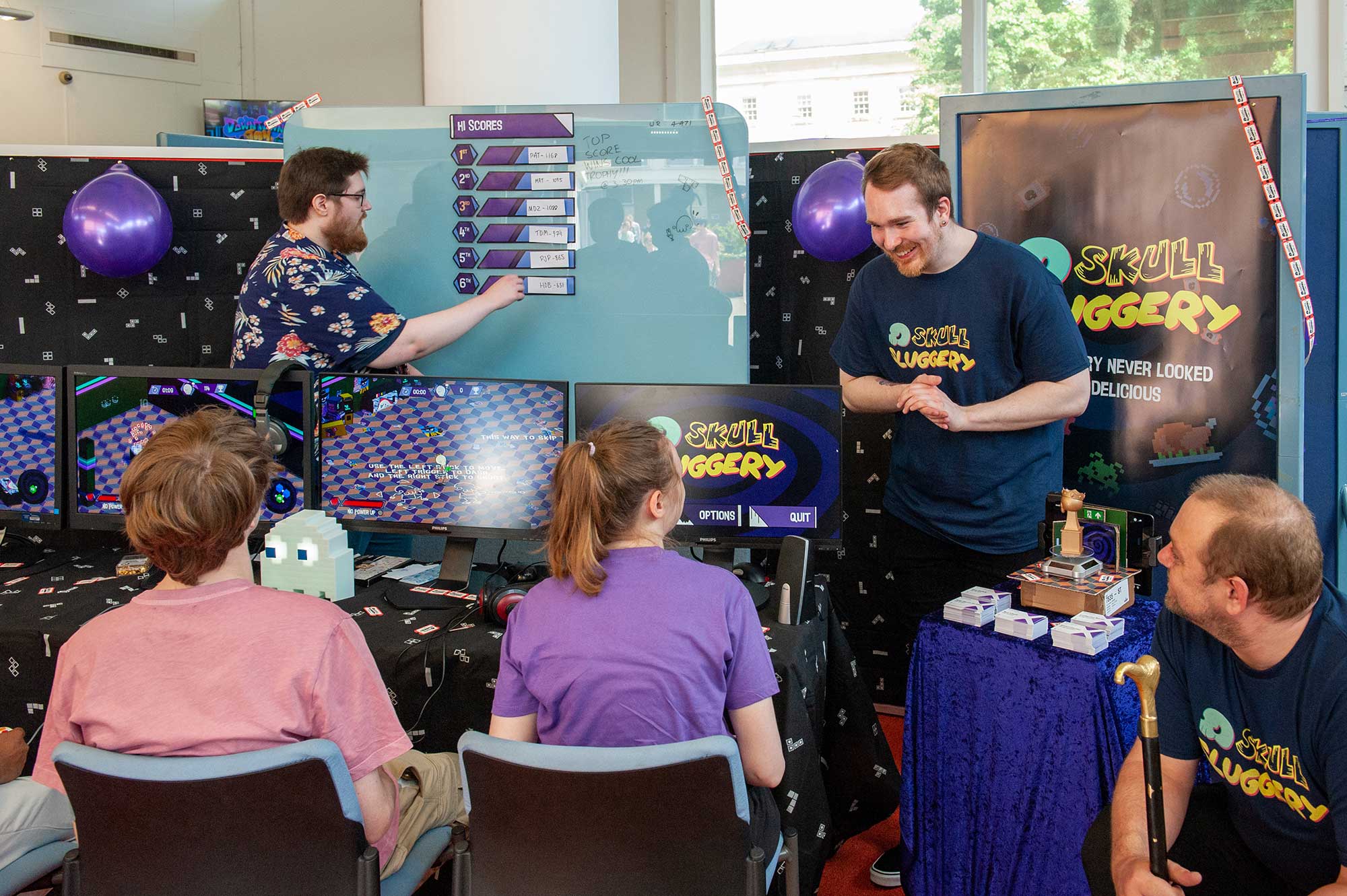
At the end of the year, we run our own show, GAMEX, a showcase of our students’ group projects and a chance to bring industry directly to you.
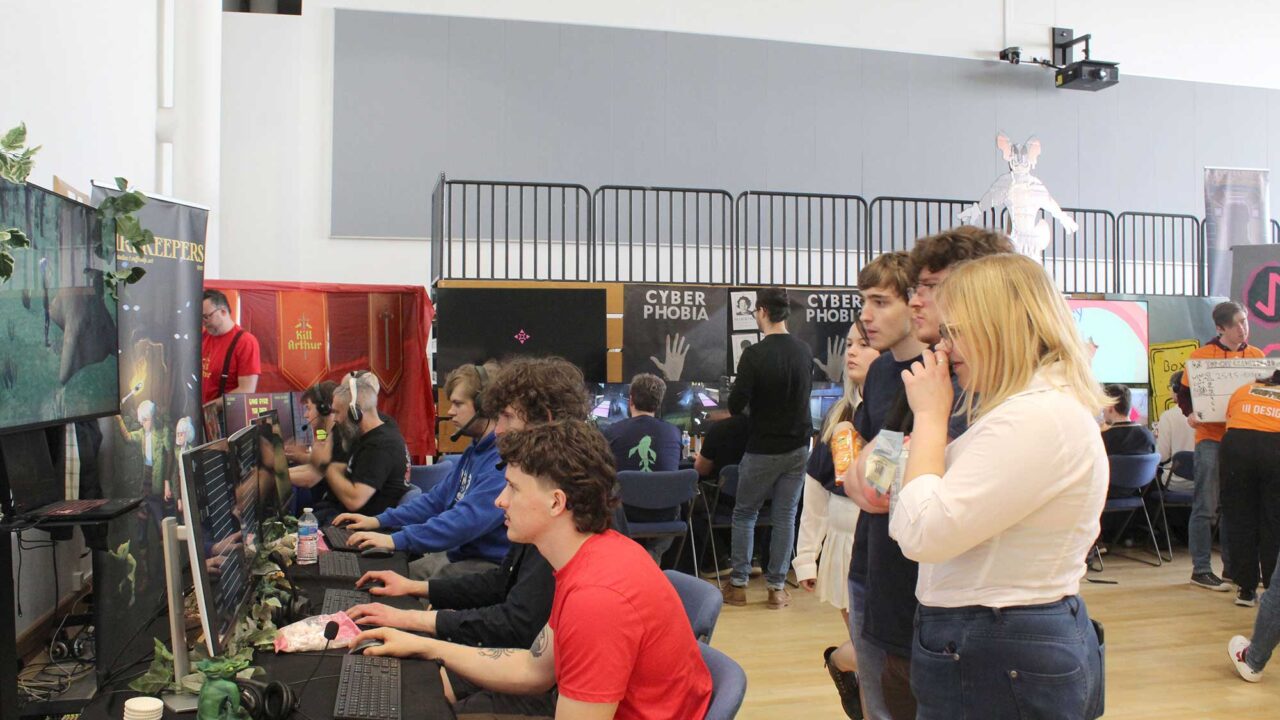
From your first group game jam to your final-year multiplayer project, you’ll collaborate with students from Games Design and Games Art to create portfolio-ready experiences.
You’ll work in mixed-discipline teams, simulate real-world development pipelines, and present your work at events like GAMEX.
Guest lectures from industry professionals keep you connected with current trends, and our upgraded labs provide you with the tools to create them. You’ll leave with a strong portfolio, deep teamwork experience, and confidence built from creating complete games in a professional setting.
Fill in the form below and we’ll be in touch with course updates, upcoming events and everything you need to know about university life.