94% Academic support – NSS, 2025
Our Sports Journalism BA (Hons) course scored 94% for academic support in the National Student Survey 2025.


Viewing entry requirements and fees for: . Change course option
There’s no such thing as a typical week on the BA Sports Journalism course.

The teaching team brings a wealth of industry experience and a range of skillsets to the course. Lecturers have worked for, and continue to work with, a variety of local and national newspapers, online sports news outlets, football clubs, radio stations, TV channels and streaming services. F1TV presenter Laura Winter is a Course Associate.

You’ll join a thriving creative community at Park Campus in Cheltenham.
There are two brand new state-of-the-art podcast studios that you will learn to use during taught sessions and can also book out to use in your own time.

The TV studio is where you will develop your presenting skills or work behind-the-scenes and learn what goes into producing a sports news programme.

These newly refurbished studios are where you can deliver sports news bulletins and record audio content. They can be linked to the podcast studios to allow you to host more guests.

This self-op studio can be used to record social media bulletins and also gather content in front of a green screen to be used in the creation of graphics and video work.

You can book out industry standard camera equipment to work on your photography and videography skills out on location, for practice, completing assessments and working on internships.
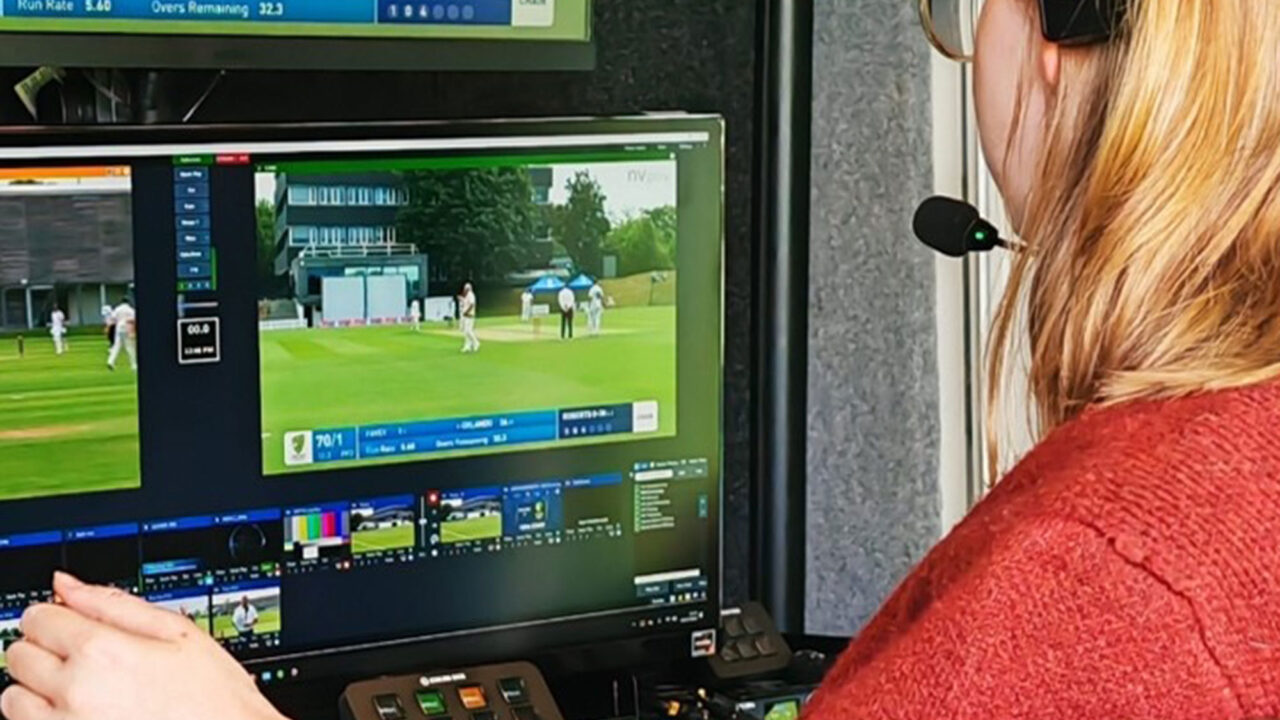
The OB truck allows us to broadcast live, on location, at different sporting events. It’s used to cover university and Varsity sport but is also often seen at other professional sporting events in Gloucestershire and beyond.

Receive news of upcoming events and information about life at UoG.

Book your place at an open day or campus visit to get a feel for UoG.

Our step-by-step guide to the application process.
Joining the School of Arts, Culture and Environment means that you’re joining a wider community of creative sector partners and collaborators.
We work with leading media outlets and sports clubs to give you real industry experience while you study.
You’ll have opportunities with Premier League, WSL and EFL clubs like Wolves, Bristol City and Cheltenham Town, as well as rugby and county cricket teams, taking on roles in social media, videography and matchday reporting.
We also partner with Reach PLC, giving students the chance to work as reporters across titles like Gloucestershire Live and Bristol Live.
If motorsport is your focus, you can build experience locally at Prescott Hill Climb, work remotely with GPBlog.com or experience working from Aston Martin’s headquarters oppostite the Silverstone Circuit in Northamptonshire.

There are opportunities to report in top-flight sporting stadiums such as Villa Park, Molineux, Kingsholm and Bath Rugby’s Recreation Ground.
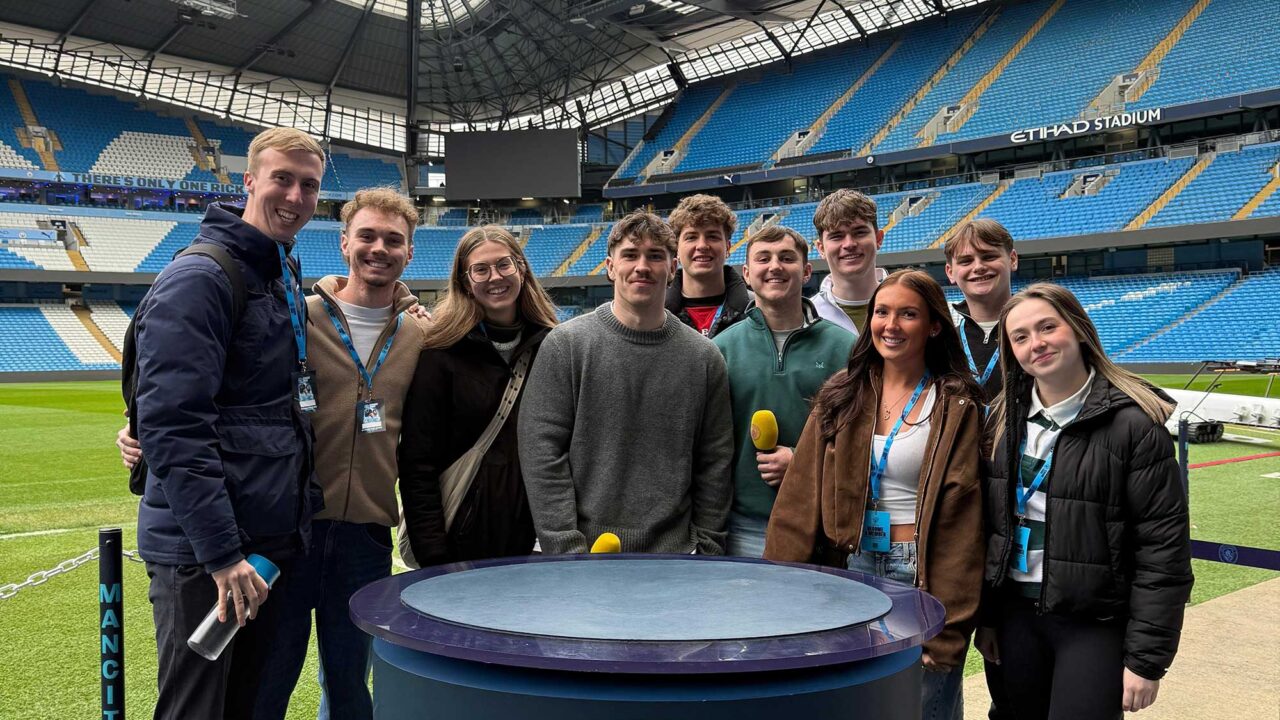
Recent field trips have included visits to Liverpool FC’s Anfield, Manchester City’s Etihad Stadium and the Tottenham Hotspur Stadium where members of the club media team even gave a mini guest lecture from the press box, and Silverstone, where F1TV and Williams F1 media team members have provided bonus insights.
Students on the course have previously had the opportunity to visit European cities such as Madrid, Barcelona and Milan.
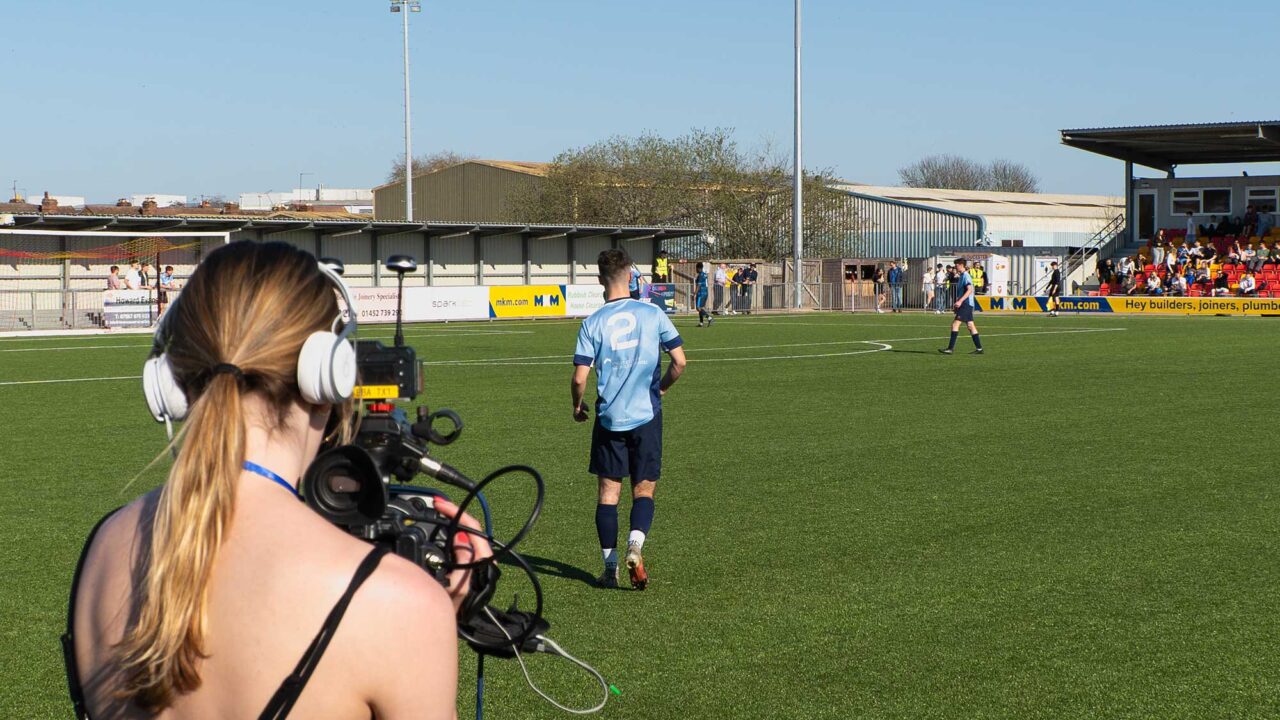
Employability is embedded into everything that we do on the Sports Journalism course. We strive to teach you a range of practical written, audio, video and social media skills that will enable you to work in the sports media industry and beyond.
As well as studying on campus covering things like the annual Varsity sports tournament, and in our state-of-the-art facilities, you’ll also learn on location during field trips and gain work experience with media outlets and sports clubs. You’ll grow in confidence as you develop your interviewing, teamwork and people skills.
You’ll hear from graduates that are working with some of the biggest brands and names in sport as well as highly experienced journalists, content creators, communications and PR professionals.
Follow us on social for the very latest course news and updates.
Fill in the form below and we’ll be in touch with course updates, upcoming events and everything you need to know about university life.
; ?> "Visit the homepage")

