
Top third in the UK for teaching satisfaction
Our music courses are ranked top third in the UK for teaching satisfaction by The Guardian University Guide 2027.


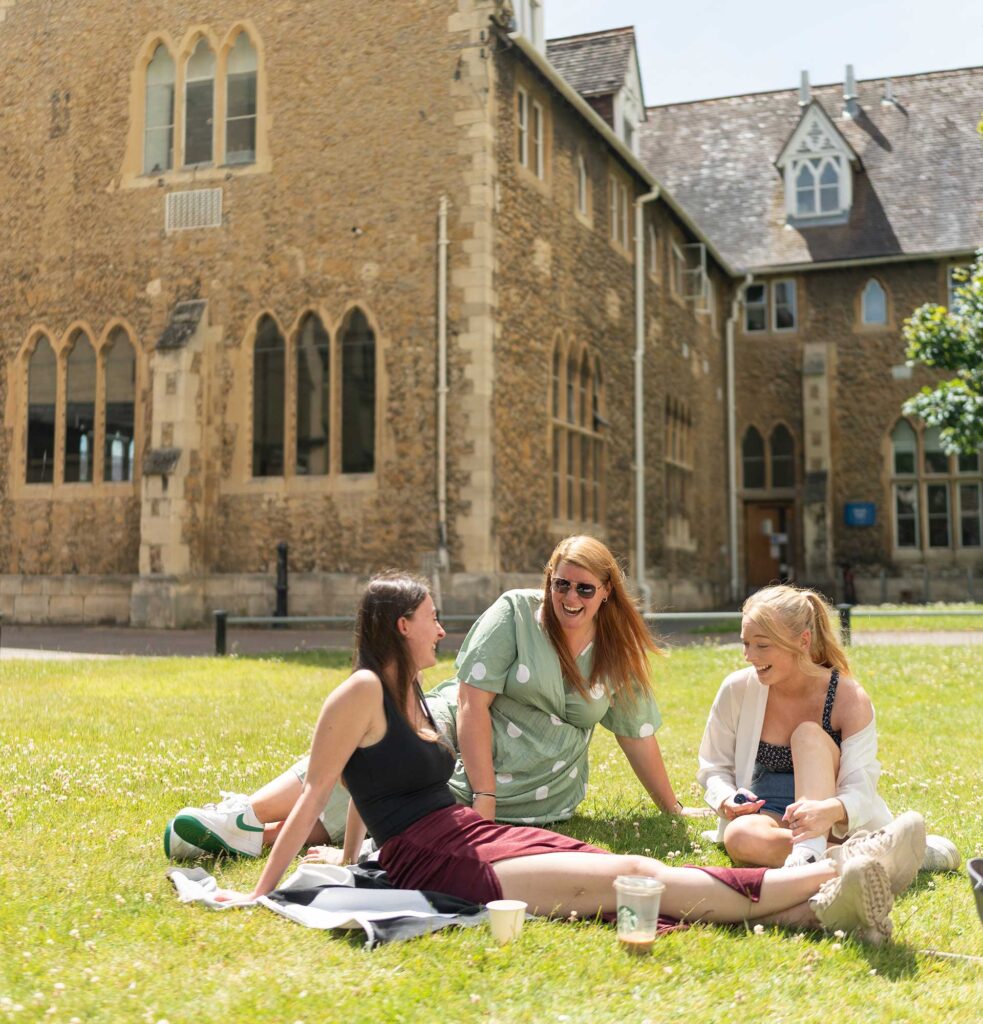
Join us on Sunday 22 November to sit in on a course talk, meet your lecturers, tour the campus and accommodation, and get your questions answered by current students.
Viewing entry requirements and fees for: . Change course option
 Privacy NoticeBy clicking play, you agree to load content from YouTube, which may collect data about your visit. YouTube's privacy policy applies.
The Popular Music degree is taught by a team who combine academic expertise with active professional practice. With backgrounds spanning songwriting and composition, live performance, recording and production, sound engineering, and music business/event management, they bring current industry insight into the classroom and studio.
Teaching is hands-on and skills-focused, helping you develop creatively and technically while also understanding how the modern music industry works – on stage, in the studio, and behind the scenes.
You’ll join a thriving creative community at Park Campus in Cheltenham.
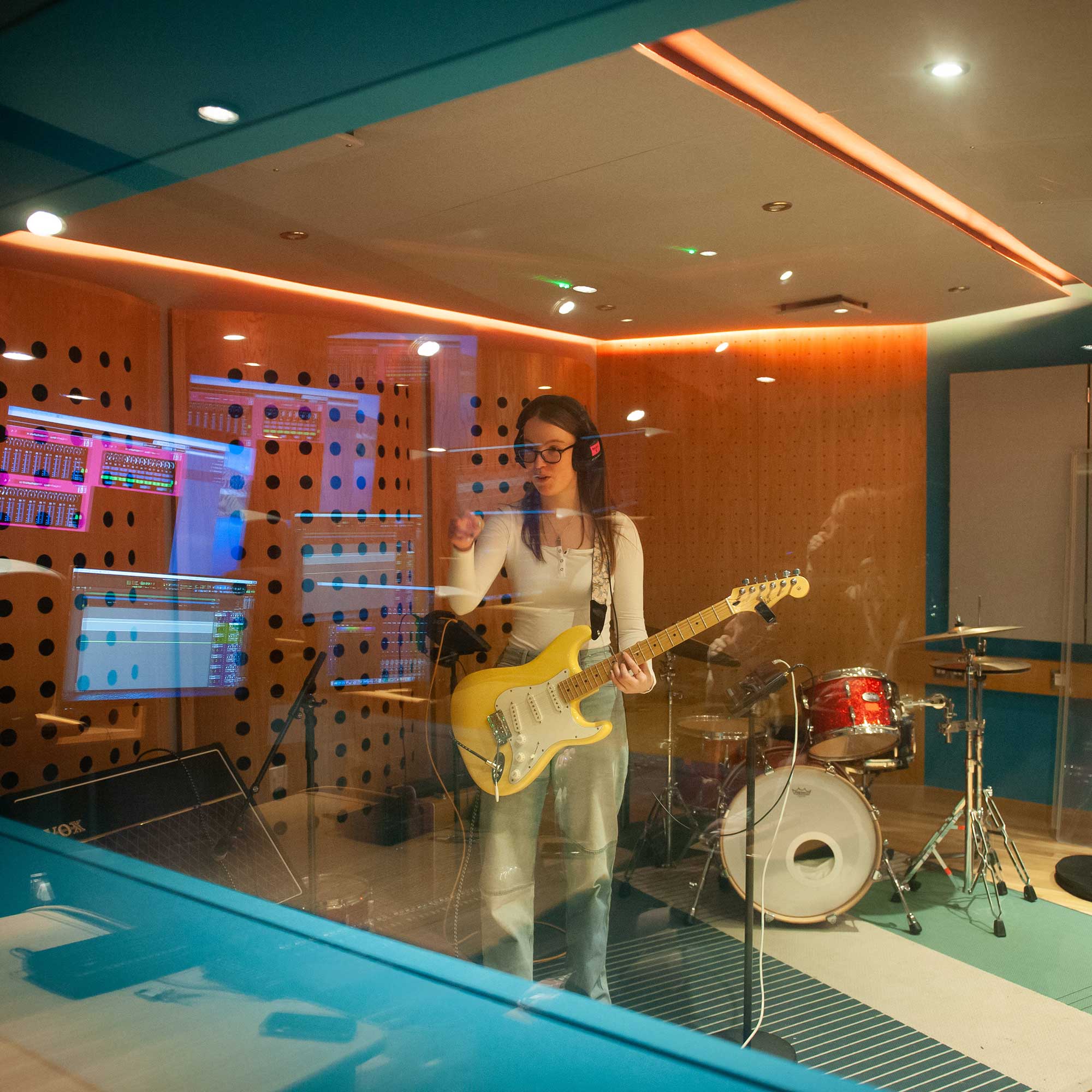
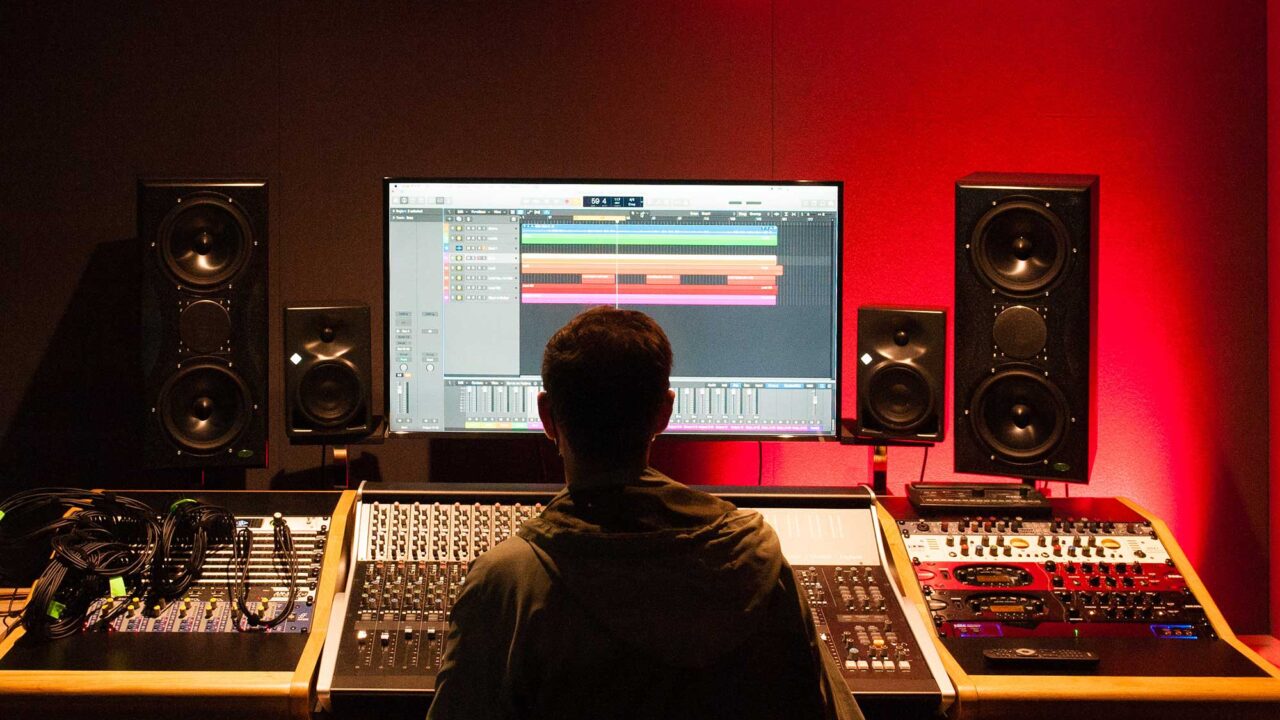
Students use our professional studios regularly for tracking, overdubbing and mixing projects. With a Dante-enabled setup, Pro Tools and Logic Pro, and a full range of high-quality mics and outboard gear, you’ll be working in an environment that reflects current industry standards. From Year 1, you’ll be hands-on recording your own work and collaborating with others.
Dedicated rehearsal spaces are available throughout the week for songwriting, band practice and live prep. Whether you’re testing out ideas or getting ready for a show, these spaces are set up for creative freedom. You’ll use them for regular group work, individual development and performance module tasks across all three years.

This immersive mixing space gives you access to spatial audio workflows used in film, games and high-end music production. You’ll be introduced to it during your course and can develop work here as part of sound-to-picture or experimental modules. It’s a professional-standard facility and part of our wider investment in future-facing sound practice.
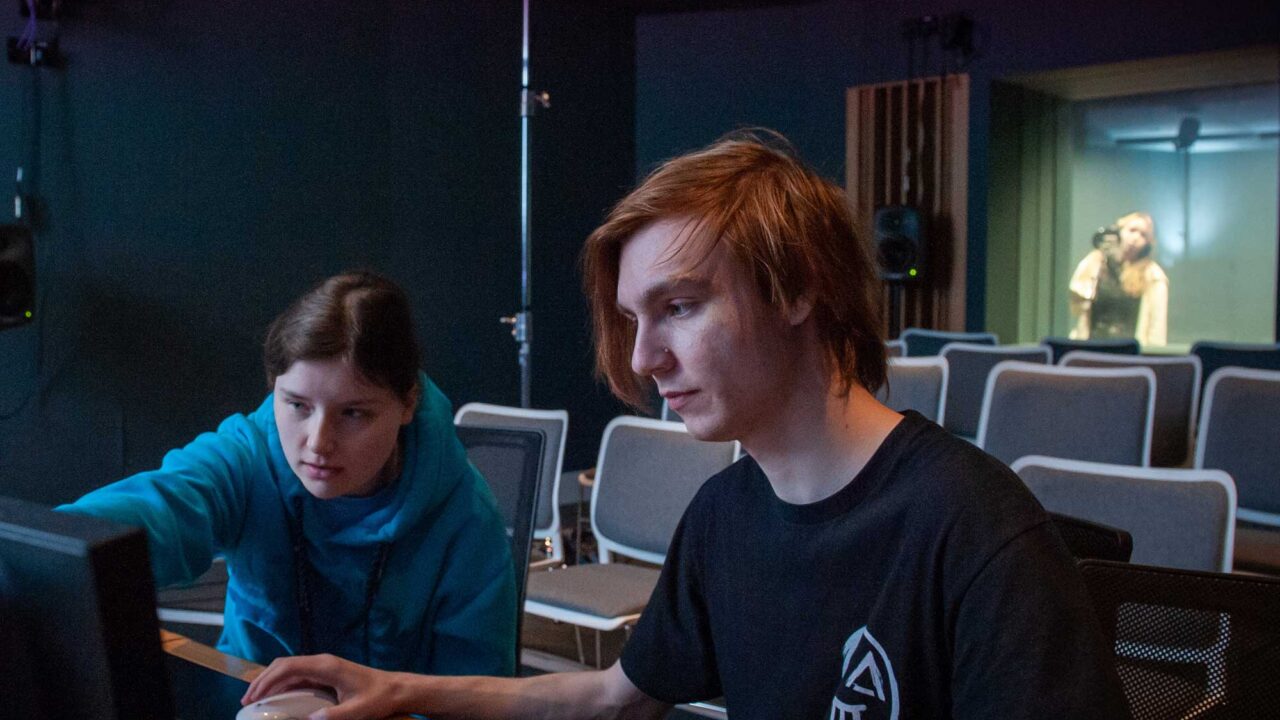
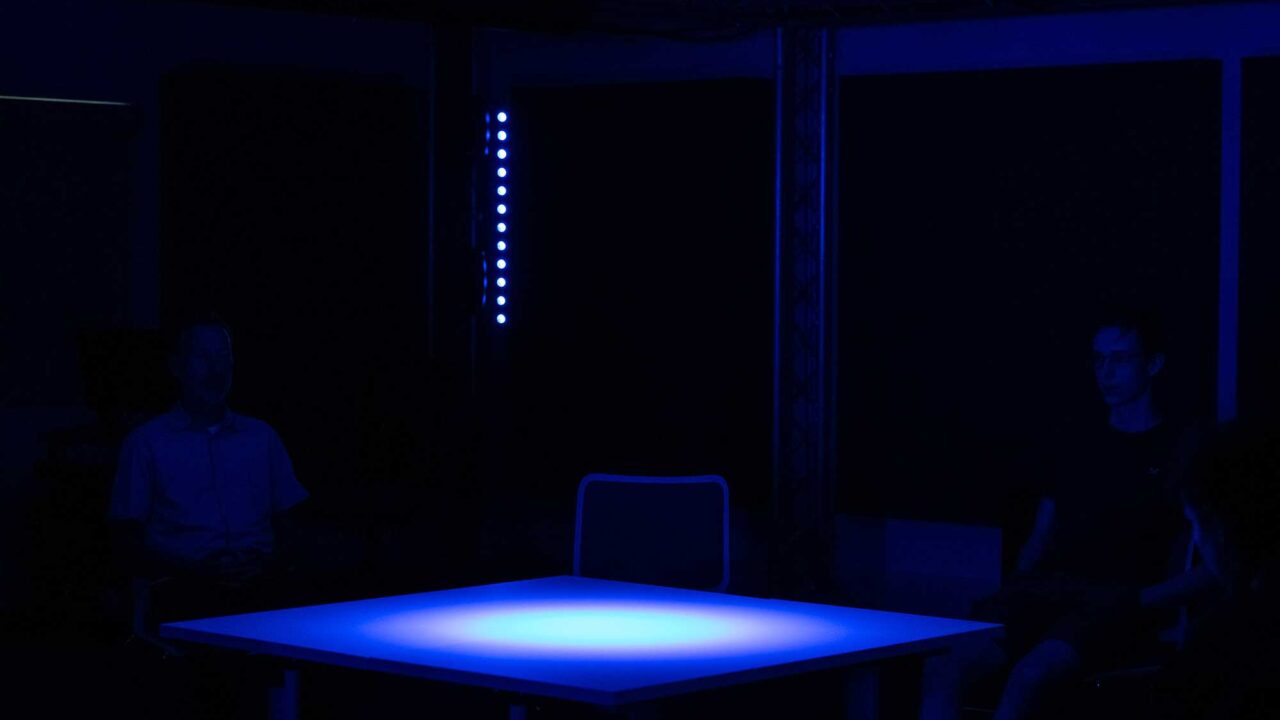
A unique creative space for surround and spatial sound exploration. This is used for specialist modules and interdisciplinary projects, giving you experience with advanced audio environments and multichannel composition. It’s part of what sets our sound facilities apart from many UK universities.

Receive news of upcoming events and information about life at UoG.

Book your place at an open day or campus visit to get a feel for UoG.

Our step-by-step guide to the application process.
Joining the School of Arts, Culture and Environment means that you’re joining a wider community of creative sector partners and collaborators.

You’ll perform your own music, collaborate with others, and see your ideas through from the first spark to the final mix or live show.
Whether you’re playing gigs, scoring a film, or working with guest artists, you’ll be part of a creative community that helps you grow. You’ll lead projects, share work-in-progress, and learn how to make things happen as a team.
These experiences build confidence and momentum. They give you space to explore who you are as an artist, how you work with others, and what matters to you creatively.

Fill in the form below and we’ll be in touch with course updates, upcoming events and everything you need to know about university life.

